Neighbor News
Top Health Trends for 2016
Steven Steinhubl, MD, Scripps Health's director of digital medicine, offers his list of top health trends to watch for in 2016.

By Steven Steinhubl, MD
With the health care industry undergoing some of the most dramatic changes in history, there is little doubt that 2016 will offer up a host of new opportunities and challenges for patients, physicians and health systems.
At the core of much of this potential for change are a wide assortment of patient-centric technologies and their promise to improve health outcomes and increase convenience while reducing the cost of care.
Find out what's happening in La Jollafor free with the latest updates from Patch.
As director of digital medicine for Scripps Health and the Scripps Translational Science Institute, it is my job to always be thinking about how we can use technology to better improve health and health care.
One thing is absolutely clear: People can and should play a bigger role in their own care. That can be as simple as tracking exercise and eating habits, or even a complete set of vital signs, with a wrist sensor connected to a smartphone, or having a quick medical appointment any time of day or night either virtually, or at a local retail clinic available around the corner or even in your office building.
Find out what's happening in La Jollafor free with the latest updates from Patch.
We’ve already seen the proliferation of wristband activity trackers and blood pressure cuffs that sync with your smartphone, which, as great as they are, don’t cause change, but rather only enable change to occur. But the new year will see more advanced efforts to use technology to deliver the right health care services to the right people when and where they want to receive them.
Working off that theme, I’ve put together a list of my top health care trends to watch for in 2016:
• Virtual health care, delivered 24/7 through your computer, tablet or smartphone, has arrived. Consumer demand for more convenient care without sacrificing quality fits perfectly with the overall experience most people have when using these services.
• 3D printing has moved far beyond the do-it-yourself hobbyist and low-cost product manufacturing crowds. Doctors and researchers are now using the technology to create low-cost prosthetics, personally fitted hearing aids and plastic implants to replace damaged bone. At Scripps Clinic, Heinz Hoenecke, M.D., has used a 3D printer to create a customized guide for drilling holes during shoulder replacement surgery. And Darryl D’Lima, M.D., is using the technology to make bioartificial cartilage.
• Care options will continue to expand and become more consumer-centric and convenient. Already, clinics are available in neighborhood pharmacies and grocery stores with scheduling and costs easily available via an app. Just this month, Scripps teamed up with The Irvine Company to open its first Scripps HealthExpress clinic in an office building complex in the University City area of San Diego.
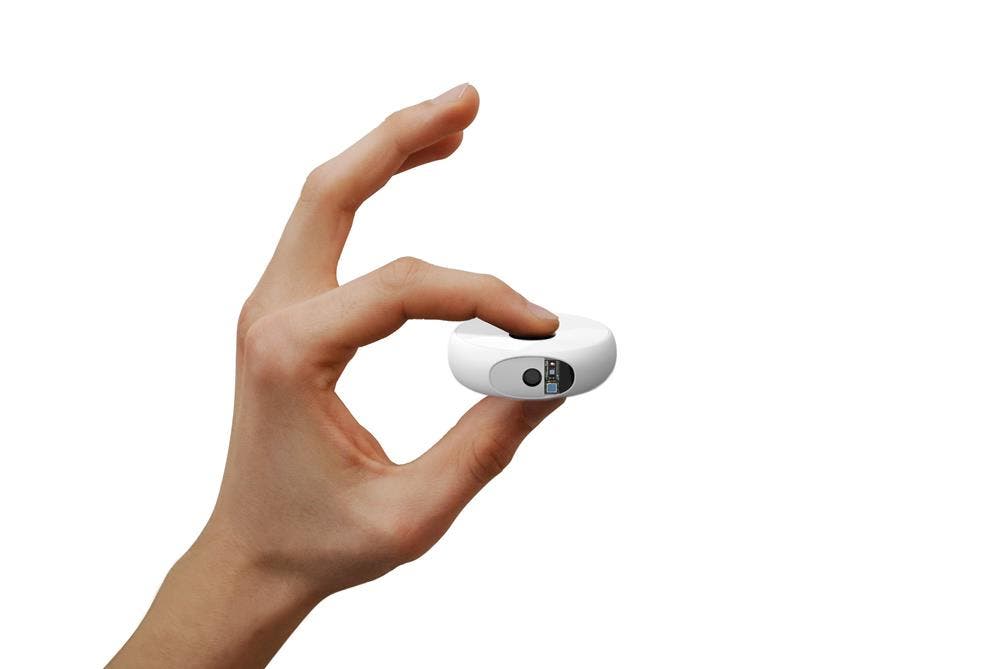
• The wireless health technology sector will get a boost in late 2016 when the $10 million Qualcomm Tricorder XPRIZE is awarded to the maker of a wireless device that can capture a host of vital signs and use the data to diagnose a set of 16 conditions, such as atrial fibrillation, sleep apnea, hypertension and melanoma. Earlier this year, the Scripps Translational Science Institute launched the first clinical trial of the Scanadu Scout, one of the seven finalists for the prize.
Steven Steinhubl, MD, is a cardiologist with Scripps Clinic and director of digital medicine for Scripps Health and the Scripps Translational Science Institute. For more information about Scripps or to make an appointment, please visit www.scripps.org/Patch or call (858) 914-4275.