Home & Garden
'Rotten Egg' Smell Expected Thursday from Salton Sea Gases
Your nose isn't playing tricks on you if you smell something funny.


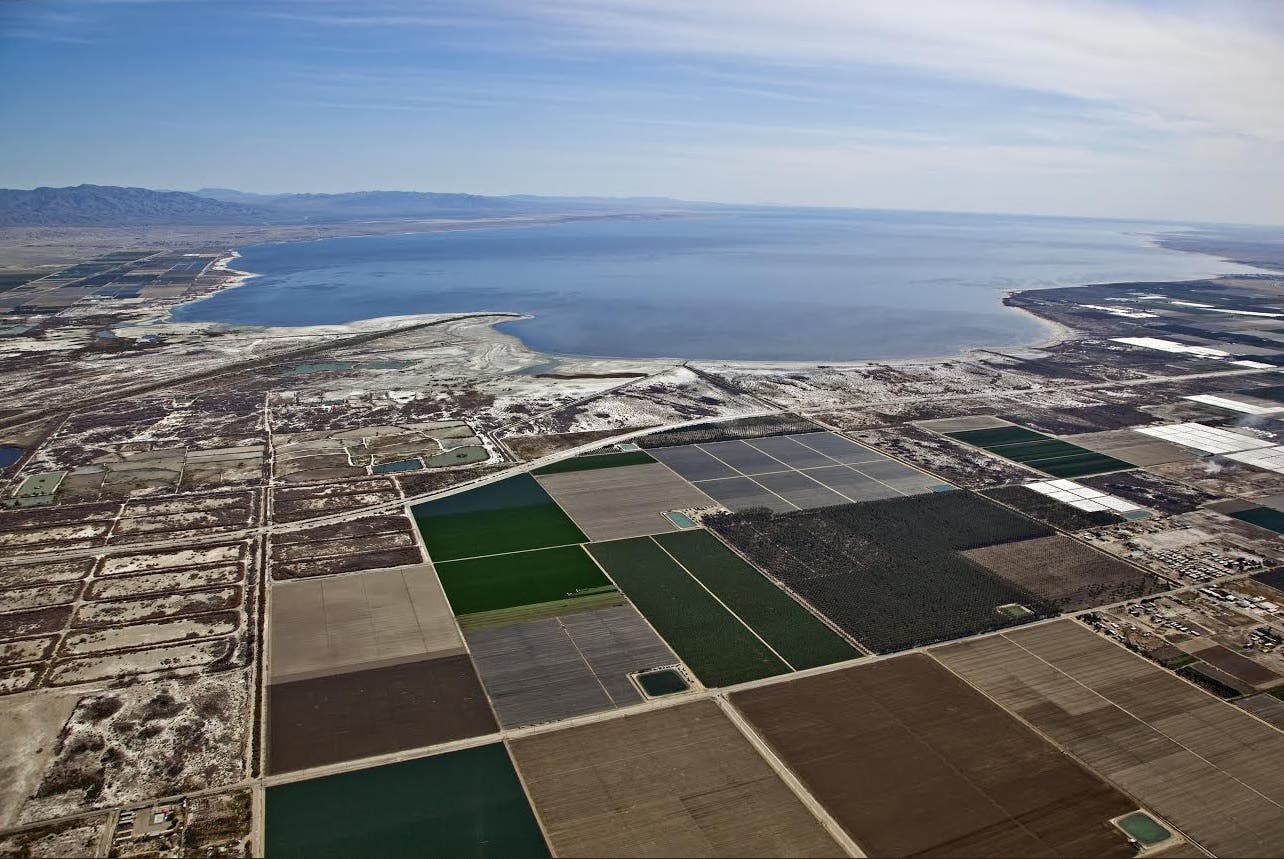
Air quality officials warned local residents to watch out for the smell of rotten eggs, as the Salton Sea emits high levels of hydrogen sulfide.
The alert in in effect for all of Thursday, and may possibly be extended if the conditions continue, according to the South Coast Air Quality Management District.
The gas is part of a natural process at the sea, the SCAQMD said.
Find out what's happening in Palm Desertfor free with the latest updates from Patch.
Here's is a portion of the alert from the agency:
Here's the full alert from the agency:
Find out what's happening in Palm Desertfor free with the latest updates from Patch.
Hourly average concentrations of hydrogen sulfide (H2S) peaked this morning at 38 parts per billion immediately downwind of the Salton Sea – at a monitor close to the shore, in an area with little population. The monitor in Mecca, a more populated community further downwind, has not exceeded the state standard of 30 parts per billion at this time. However, if southeasterly winds continue today, areas in the Coachella Valley may also experience the odors.
The state standard for outdoor levels of hydrogen sulfide is 30 parts per billion averaged over one hour. At that level, most individuals can smell the odor and some may experience symptoms such as headaches and nausea. However, the symptoms associated with this level of exposure are temporary and do not cause any long-term health effects. Humans can detect hydrogen sulfide odors at extremely low concentrations, down to a few parts per billion.
SCAQMD monitors hydrogen sulfide at two locations in the southeastern Coachella Valley – one very close to the Salton Sea and the other in the community of Mecca. There is increased potential forSalton Sea odors to occur as the winds shift, especially in the summer months in the early morning and late afternoon, or as thunderstorms occur over the southwestern U.S. deserts.
More information on Hydrogen Sulfide can be found at the following link: http://www.atsdr.cdc.gov/toxguides/toxguide-114.pdf
(Image via Shutterstock
Get more local news delivered straight to your inbox. Sign up for free Patch newsletters and alerts.