Schools
Frats and Sororities Dominated Social Scene of Past
Until the mid-1990s, selective – and hard-drinking – social clubs were a prominent part of the Piedmont High School scene


By Jack Hamner
Selectiveness. Social domination. Smirnoff.
Words that physics teacher Glen Melnik uses to describe Piedmont’s social clubs that grew popular after the high school’s founding in 1921.
Membership to one of PHS’s six fraternities or sororities was crucial for acceptance, until they grew irrelevant in the mid-1990s.
Find out what's happening in Piedmontfor free with the latest updates from Patch.
“They totally dominated the social scene,” Melnik said. “If you weren’t in a social club, you wouldn’t be invited to any parties.”
Social clubs were associated with drinking pools, Melnik said.
Find out what's happening in Piedmontfor free with the latest updates from Patch.
“When I first got here, I went to a club event when I didn’t know they were going to drink,” Melnik said. “The principal was really mad and said, ‘Melnik, I should fire you.’”
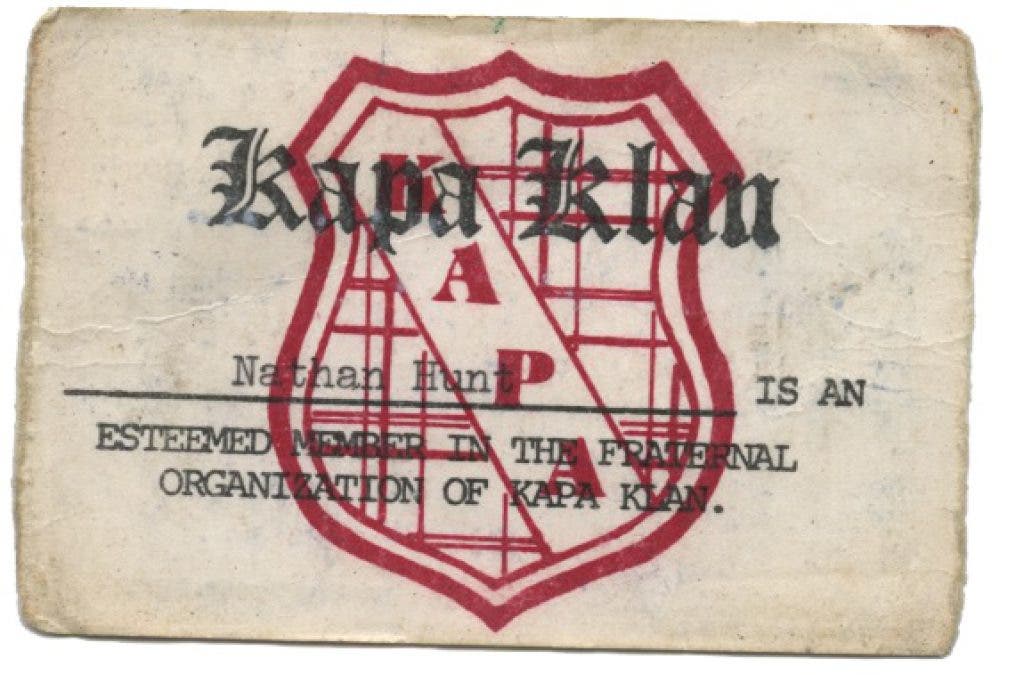
There were six clubs at the high school, Melnik said. There were three for the boys, the Kapas, the Rigma, and the Kimmers, and three for the girls, the JO’s, the JA’s, and the BH’s.
To join a fraternity or sorority, students first had to endure a bidding process in which they applied for acceptance. If they were deemed worthy, prospective frat members had to perform initiation rituals, some of which were taken to the extreme, Melnik said.
“I remember there was one kid who had to run through Bonfare naked,” Melnik said. “Another had to run down Sea View naked.”
P.E. teacher Mike Humphries remembers similar hazing, he said.
“One club of guys hosted the ‘Undie 500’ from Hampton Field to Mulberry’s, which was called Convenient back then,” Humphries said. “Guys in the bushes would try to tear the runners’ underwear off so they were half naked by the time they finished the race.”
Drinking was so prevalent that students would drink in the early afternoon right after lunch, Principal Rich Kitchens said.
“It was not uncommon for them to have Friday afternoon parties after lunch, where there’d be beer,” Kitchens said.
The clubs were so influential that they interfered with everyday life, Kitchens said. “They were so selective that on teams with Kimmer and Rigma players, players in [social clubs] wouldn’t pass to the other players as readily.”
In many situations, the sororities were crueler than the boys’ fraternities, Melnik said.
“The sororities were like Mean Girls,” Melnik said.
“They were selective and hurtful to the girls who didn’t get in. It was very harmful to the psyche of many kids,” Kitchens said. “Today, we try to include everybody.”
Humphries shares similar sentiments.
“I just remember feeling particularly sorry for girls who didn’t make it into the club,” he said. “You could always hear the cars going around and honking in the town after the bids had been chosen. It must have been like rubbing salt in the wounds for those who didn’t make it.”
Special Education Para Educator Diane Robb, who graduated from Piedmont in 1983 and was a club member, remembers the club’s charitable contributions.
“We raised money for our organizations and we had parties on the weekends,” Robb said.
Although the social clubs posed charitable exteriors, they had ulterior motives, Melnik said.
“One of the girls' clubs, the BH’s, stood for ‘Baby Hospital’, so they donated to
Children’s Hospital,” Melnik said. “But they were really mainly drinking clubs.”
School administration deemed the fraternities and sororities illegal because they
encouraged drinking, Kitchens said.
“They were selective, discriminatory, and I think there was open acknowledgment of alcohol use,” he said.
Melnik said that students gradually grew uninterested in the clubs, so they grew irrelevant.
“There was a large [influx] in the Asian population at our school, and there just wasn’t as much interest as there had been,” Melnik said.
Humphries is glad that the era of social clubs at Piedmont has come to an end, he said.
“[The clubs] were just a way for the cooler kids to separate from the not so cool ones,” he said. “I don’t know that the administration could have done much about the drinking … It hasn’t changed that much now in terms of drinking, it’s just not as organized.”
Jack Hamner is a junior at Piedmont High School, A Closer Look editor for The Piedmont Highlander and involved in Mock Trial, baseball and cross country.
What do you remember about the PHS social clubs? Good or bad for the school? Tell us in the comments section below.
Too busy to check Piedmont Patch every day? Get the day's top local headlines, announcements and events delivered to your inbox, seven mornings a week. Sign up here.
Get more local news delivered straight to your inbox. Sign up for free Patch newsletters and alerts.