Neighbor News
Is Your Garden Toxic? What You Need To Know Before You Plant
Find out what contaminants may be lurking in your soil before you plant your home or community vegetable garden to avoid an unhealthy crop.

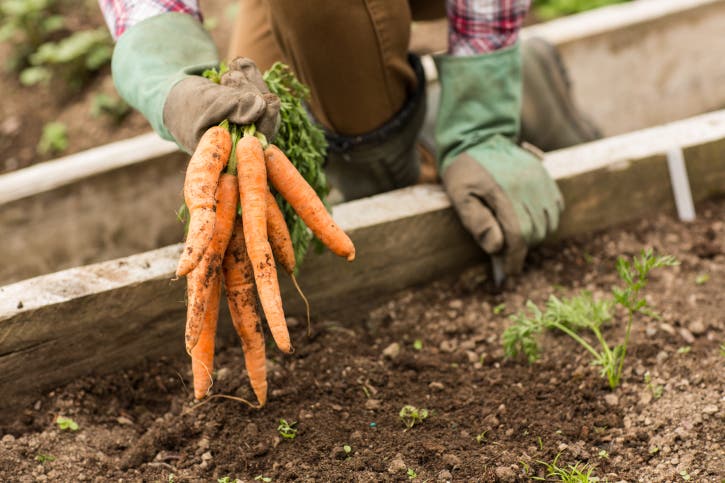
Organic gardening and the Eat Local movement have become increasingly popular, and for good reason - there is nothing better than homegrown fruits and vegetables! Now that the weather is warming up, the garden beckons. But before you start turning over the garden, get your soil tested. If you plant your produce in soil that contains lead, arsenic, petroleum, pesticides, these and other toxins will make their way into your harvest – and into your mouth.
According to Robert Weitz, a certified microbial investigator and founder of RTK Environmental Group, what you may not realize is that the soil around your house may be hosting a variety of contaminants. “Lead, pesticides, bacteria, and heavy metals are frequently found in gardens in our area, at both private homes and community gardens,” Weitz says. “The impact on your family’s health from these unseen dangers may be great, and we need to educate the public as to the potential health hazards.”
Here are some common soil pollutants and sources in our area:
Find out what's happening in Greenwichfor free with the latest updates from Patch.
LEAD
Lead in soil is a very common problem, especially if you live in a pre-1978 built home or in a neighborhood of older homes. How does lead get into your soil? Sanding during the prep period, prior to painting the exterior of an older home, can spew lead dust through the air. (Up until 1978, most paint contained lead.) Flaking paint chips can also find their way into the soil. Lead dust can also be released through open windows when sanding home’s interior walls.
Find out what's happening in Greenwichfor free with the latest updates from Patch.
TAINTED COMPOST
Another possible source of contamination is tainted compost. If you use public compost, you may be exposed to dangerous levels of lead and other toxins. Here’s why: When municipalities pick up lawn clippings and organic debris for composting, they don’t test first to see if the clippings and debris are free from contamination.
HEALTH RISKS
The damaging effects of ingesting these toxins — chromium, lead and other metals, petroleum, solvents, and many pesticide and herbicide formulations – are many. These contaminants can be carcinogenic, cause congenital disorders or other chronic health conditions. Pregnant women and children are at the highest risk. In fact, more than 500,000 children under the age of six are poisoned each year by lead.
In celebration of Earth Day, have your soil tested by an independent environmental testing company to ensure you are not planting in a contaminated soil. It’s the only way to protect your family. They can tell you if your soil is safe, and if there is a problem, can inform you of how to correct it. CLICK HERE for more information.