Community Corner
Resident Diagnosed with Stamford's 1st Case of West Nile Virus
The patient has since been treated and released from a hospital, according to officials.


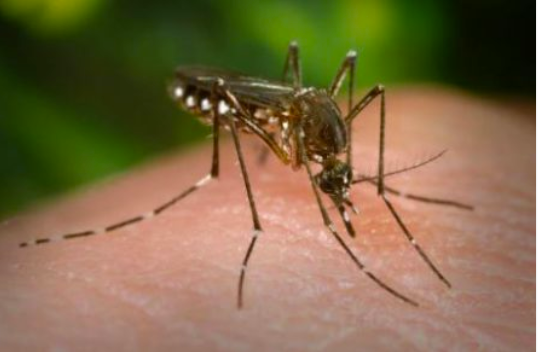
The Connecticut Department of Public Health (CT DPH) has confirmed that a resident of Stamford has tested positive for West Nile Virus (WNV) infection, according to an announcement released by the city Wednesday afternoon.
The Stamfored case is the second human case of WNV in Connecticut for this season. The patient was admitted to the hospital and has been released. Details including when the patient was diagnosed and where they were treated, were not immediately available.
The Connecticut Agricultural Experiment Station (CAES) has trapped and identified mosquitoes infected with West Nile virus in several areas of the state. On Sept. 9, infected mosquitoes were trapped in Old Greenwich. In addition to Greenwich, WNV positive mosquito pools have been found in 14 other towns in Connecticut: Bridgeport (9), Cornwall (1), Danbury (2), Darien (2), East Haven (3), Groton (1), Hartford (2), New Britain (1), New Haven (2), Norwalk (1), Stamford (6), Stratford (20), West Hartford (1) and Wethersfield (1).
Find out what's happening in Stamfordfor free with the latest updates from Patch.
According to Stamford Director of Health and Social Services Anne Fountain, “Individuals over the age of 50 are at greatest risk for complications of West Nile Virus infection, but individuals of any age should take precautions regarding exposure to West Nile Virus. That is why it is so important for all residents to seek medical attention should they develop symptoms that could be due to WNV infection.”
Most people who are infected with WNV will not show any symptoms at all. Some individuals experience symptoms such as fever, headache, and body aches, nausea, vomiting, and sometimes swollen lymph glands or a skin rash on the chest, stomach and back. Symptoms can last for as short as a few days, though even healthy people have become sick for several weeks. Few people infected with WNV will develop severe symptoms which can include high fever, headache, neck stiffness, stupor, disorientation, coma, tremors, convulsions, muscle weakness, vision loss, numbness and paralysis. These symptoms may last several weeks, and neurological effects may be permanent.
Find out what's happening in Stamfordfor free with the latest updates from Patch.
The City of Stamford is actively responding with its larvicide program, which includes placing larvicide in catch basins throughout Stamford. It is very important that all residents avoid contact with mosquitoes and consider using insect repellant, according to the label instructions, when outside for work or recreation.
Follow these precautions to avoid mosquito bites:
o Minimize time outdoors at dusk and dawn.
o Be sure door and window screens are tight fitting and in good repair.
o Wear shoes, socks, long pants, and long-sleeved shirts. Clothing material should be tightly woven.
o Use mosquito netting when sleeping outdoors.
o Consider using mosquito repellent when it is necessary to be outdoors and always use them according to label instructions.
Wash treated skin when returning indoors. Do not apply under clothing, to wounds or irritated skin, the hands of children, or to infants less than 2 months.
Measures to reduce mosquitoes around the home include:
o Dispose of water-holding containers, such as ceramic pots, used tires, and tire swings.
o Drill holes in the bottom of containers such as those used for recycling.
o Clean clogged roof gutters.
o Turn over objects that may trap water when not in use such as wading pools and wheelbarrows.
o Change water in bird baths on a weekly basis.
o Clean and chlorinate swimming pools, and when not in use, cover.
Get more local news delivered straight to your inbox. Sign up for free Patch newsletters and alerts.


