Business & Tech
Connecticut Consumers Can Expect Shortage of Japanese Cars
The effects from earthquake and tsunami on Japan may be felt locally.
Last month’s devastating earthquake and tsunami in Japan happened on the other side of the globe, but we may be feeling ripple effects in Connecticut.
Radioactive contaminants from the Fukushima nuclear power plant accident remain a worldwide concern, and a shortage of Japanese cars is a real possibility.
Dealers who sell Japanese autos will especially be affected, according to industry insiders, because automobile dealerships rely on parts made in Japan and some of those parts are now not available. According to the Financial Times of London " supplies of everything from steel to onboard electronics" have been delayed by the disaster.
Find out what's happening in Suffieldfor free with the latest updates from Patch.
Ralph Aquino, general sales manager at Mitchell Subaru in Canton, said, “the rumors are true that there will be a shortage.”
For example, Mitchell Subaru typically receives 65 new cars a month from manufacturers in both the U.S. and Japan. But for May, the dealership is receiving only 25 cars. The same will be true for the month of June.
Find out what's happening in Suffieldfor free with the latest updates from Patch.
“So we have been cut by 60 percent,” Aquino said.
According to news reports, Japanese auto parts manufacturers are located in the hardest hit part of the country, northeastern Japan.
Aquino said being unable to purchase parts will affect his service department for repairs or replacement parts. He said he had no way of knowing how long it will be before the situation is rectified.
Matthew Hoffman, vice president of the Hoffman Auto Group and executive manager/dealer principal of Hoffman Toyota in West Simsbury, said he cannot predict the severity of the shortages, but the devastation in Japan “will definitely be felt by both foreign and domestic car dealers.” He said, however, that he doesn’t anticipate lasting effects from the disaster in the long term.
“Japanese manufacturers led the movement for localizing the production of parts and vehicles," he said. "This means that a large majority of parts and cars are produced in the U.S. or Canada. Only a handful of Japanese cars sold in the U.S. are produced entirely in Japan.”
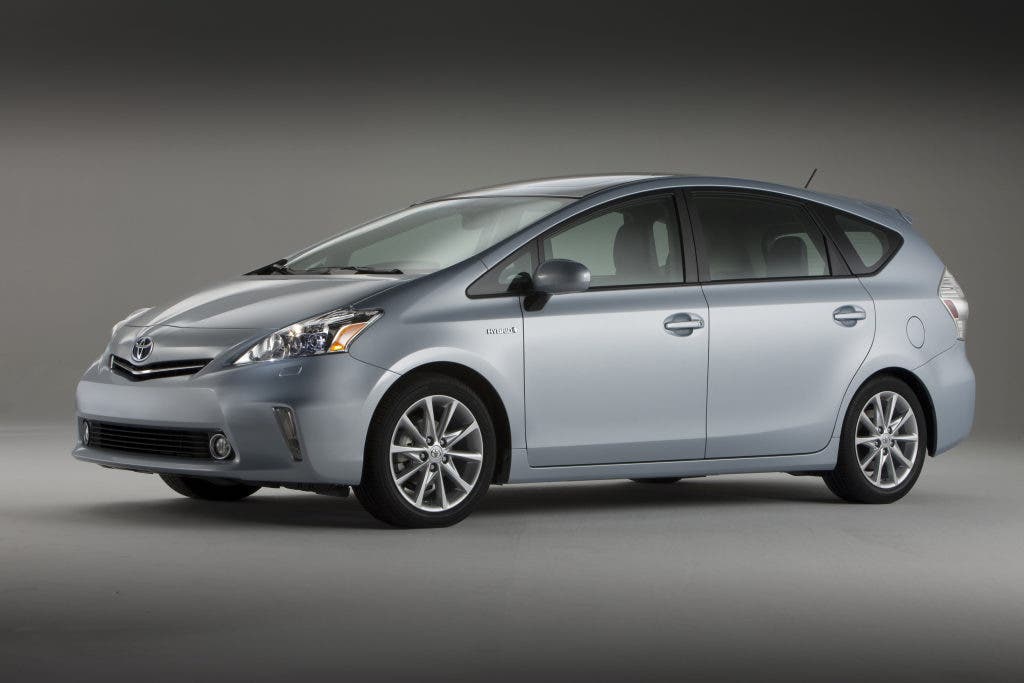
A recent story in the Associated Press quoted Mike Jackson, chief executive of AutoNation Inc., as saying that he is expecting to see a 30 to 50 percent decline in shipments of Japanese vehicles in the next few months. For example, Toyota’s Prius gas-electric hybrid is made only in Japan, and that could mean a short-term shortage of Priuses.
Would now be a good time to trade in your car?
Aquino said this spring there is a “big demand” for used cars.
Hoffman agreed. "Now is definitely a good time to think about trading in your vehicle. Quality pre-owned inventory is always in demand, and that's especially true now,” he said. “Many people would be surprised by what their vehicle is worth.”
In an attempt to address customer fears of radiation in cars shipped from Japan, the Japan Automobile Manufacturers Association announced last week that it had begun testing the radiation levels of cars manufactured in Japan.The tests have found no danger to human health resulting from radiation levels on Japanese cars, the association said.
Japanese Restaurants Reassure Customers
At local Japanese restaurants, customers have been asking for reassurance that fish being served is not from Japan.
“We have had some customers asking where we buy our fish,” noted Tony Ying, general manager of Sakura Garden in Bishop’s Corner in West Hartford. “No one should be worried,” he said, explaining that all the local Japanese restaurants he is aware of, including Sakura Garden, buy their fish from certified wholesale suppliers, none of whom get their fish from Japan.
Fish is arriving from Canada, lobster is from Maine and shrimp from Peru, said Ying. Eel is from China or South Asia, because “it’s cheaper,” he said. Ying said labor costs in Japan are “very high.”
It’s simply too costly to buy fish from the Pacific Ocean.
“Everyone I know gets their fish from the Atlantic, the East Coast,” said Jay Sullivan, who works at Feng Asian Bistro in Canton. “It is far too expensive to buy anything from Japan,” he said.
No one seems to be concerned, added Shao Ma, manager of Noble Japanese Hibachi and Sushi Bar in Southington. Only a few customers have asked from where the fish was caught. He said that he purchases products like seaweed and miso from Japan and has not had any problems receiving them.