Arts & Entertainment
An Afternoon of Jazz and Art at WAC
The Brian Torff Quartet played to a full house in a final performance celebrating the Milt Hinton photo exhibit.


Westport Arts Center Artistic Director of Jazz and bassist Brian Torff offered an exciting concert with commentary for the enthusiastic crowd of more than a hundred at the WAC this weekend.
Along with his accomplished sidemen Nick Bariluk (keyboard), Nate Barnes (drums) and Ken Gioffre (tenor and soprano saxophone), Torff showed off both his teaching skills and his stellar musical chops when he paired personal stories with extraordinary playing at Sunday's "Looking at Masters of American Jazz" performance.
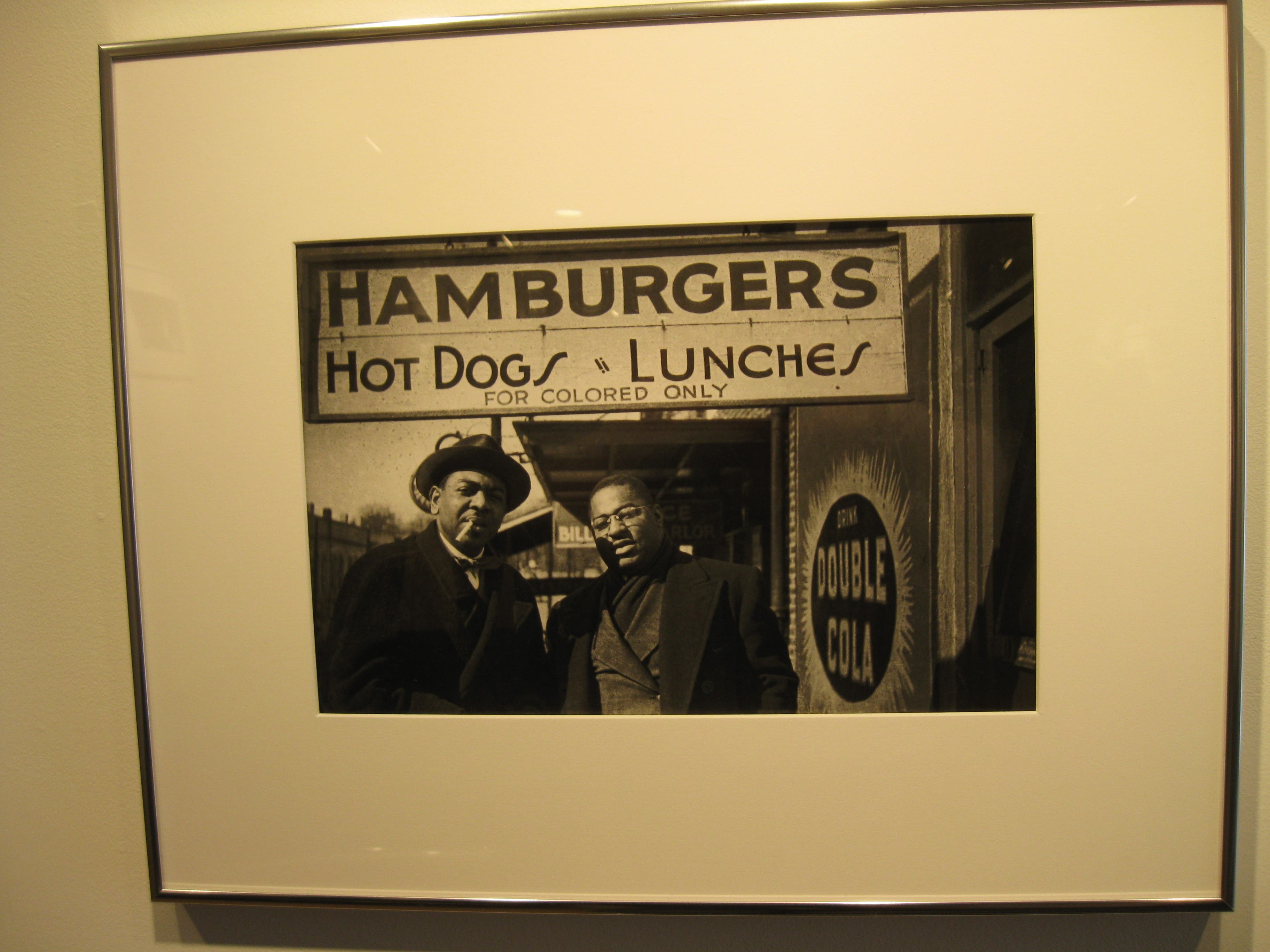
The compelling black-and-white photo exhibit, covering a period of six decades by internationally recognized jazz bass player (and Torff mentor) Milt Hinton – known as "The Judge" – set the tone inside the serene gallery. Picture windows behind the jazz quartet featured the same shades, with a silver sky, gray water and dark branches punctuated by the burnt umber of autumn leaves still clinging to the trees.
Find out what's happening in Westportfor free with the latest updates from Patch.
Numerous photos of musicians laughing, dancing and playing showed some of the high points of life as an African-American jazz artist, while others exposed the grim reality of segregation. These powerful images, some including signs with the term "Coloreds Only," were a powerful reminder of the conditions in which these artists often performed.
Throughout the two-hour performance, Torff referenced the photographs and to the lives of the musicians represented. One story involved Hinton walking down a New York City street and running into his friend Jackie Gleason, then a powerful and well-known television star. When Gleason asked what the bass player was doing, Hinton said that he was simply trying to survive as a musician. Gleason immediately invited him into his studio to play. It was the first time a black musician had been asked to do so – and there must have been objections -- but Gleason had enough clout that he could get his way. That was the beginning for Hinton, who went on to play on recordings for a number of artists, from Frank Sinatra to Barbra Streisand, and to break ground for other African-American artists to do the same.
Find out what's happening in Westportfor free with the latest updates from Patch.
Just before launching into Duke Ellington's "Come Sunday," Torff shared with the crowd at the Arts Center how moved he was during Duke Ellington's 1974 funeral at St. John the Divine in New York City, where upwards of 70,000 admirers came to pay their respects. The remarkably spiritual piece began with a somber bass solo and built to a deeply felt tone of worship.
The group also took on Frank Loesser's "If I Were a Bell," from Guys & Dolls, in an up-tempo, light arrangement. Another number was a crooning version of "Chain of Fools" where Torff invited folks in the audience to add slow punctuation with their clapping hands. Next was "St. Louis Blues," which began with a teaser introduction quoting "Summertime" from Porgy & Bess, and built up to full-out wailing on the sax.
The most extraordinary segment of the performance was when Torff read a portion of his autobiography In Love With Voices; a Jazz Memoir, to his own bass accompaniment, which was then augmented by percussion and keyboard. Torff quoted Milt Hinton's words to him: "Pass it on, young blood. Pay it forward."
It was moving to hear the music behind the words – and not an easy task, though Torff made it look effortless.
Saxophonist Ken Gioffre shared his sorrow at losing colleague Jerry Niewood in a tragic plane crash and how giving he was as a musician. Niewood taught Gioffre that the chords in a jazz piece are like the telephone poles, and assured him that all he had to do was create the lines between the poles. The group played an original number titled "Niewood Song" which began with a haunting and evocative melody and moved to a lighter mode before ending on a note of nostalgia.
The final number, "Autumn Leaves," included shimmering sax lines which took the crowd's breath away – and probably the sax player's, as well. The event was a fabulous multi-media afternoon filled with photographs, history, written and spoken words, and of course all that jazz, deftly woven into a marvelous tapestry of felt experience.
There is no question that Torff has surrounded himself with outstanding musicians. Keyboard artist Nick Bariluk filled each piece with flashy riffs or gentle mastery, as required, and native Bridgeporter Nate Barnes, once a student of Torff's, showed great skill and nuance in his playing. Whether supporting the quartet or supplying a dazzling drum solo, this young jazz musician, a graduate of Harding, held his own effortlessly.
One of the best things about watching jazz musicians perform is seeing the way they enjoy watching each other. It's hard to point to any other form of music in which one can catch performers beaming with the thrill of what a fellow performer is doing during a solo moment.
And then there are the little inside musical jokes. You get the feeling you're being let in on a fabulous secret – one they've created over time in countless hours of rehearsal and performance, and have just been waiting to share with you.
And Sunday, at the Westport Arts Center, they did.
Every member of the Torff Quartet demonstrates the hallmark of the most successful jazz – mastery of the instrument, active relaxation, and utter joy at the moment-by-moment musical creation. With jazz, you never hear the same piece twice. Note after note, and musician after musician, decade after decade, it grows and changes, a living breathing art form.