Community Corner
The Workout: Some Don't Like It Hot
Summer weather has arrived in full force, which means adjusting your workouts for the change of seasons.
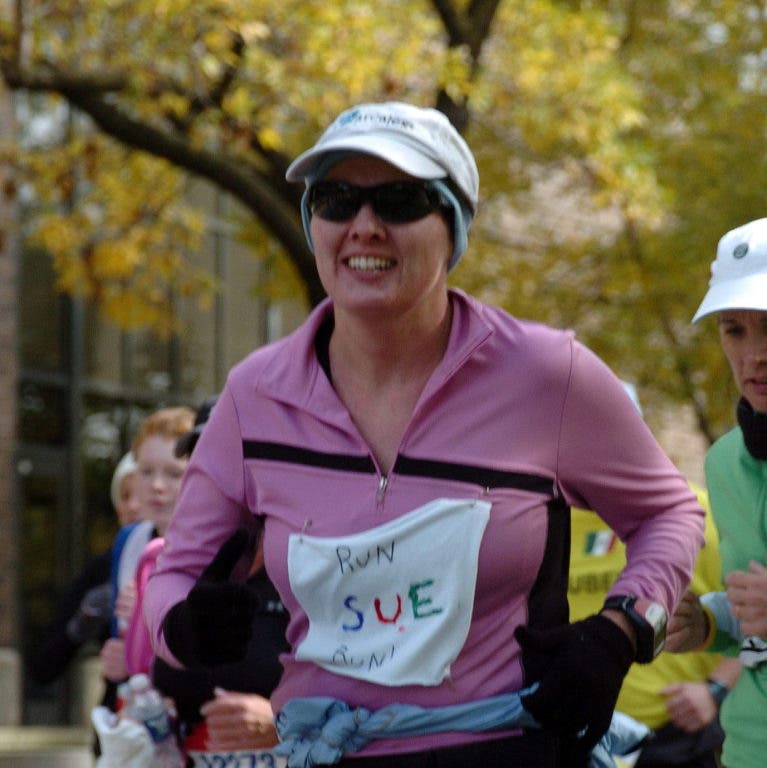
It seems grossly unfair that after being cooped up all winter, the weather might once again force us to exercise indoors during the summer. While it's tempting to compensate for those long, cold months by getting outside as much as possible, exerting yourself on hot and humid days can be downright dangerous. This seems particularly evident since 11 runners had to be hospitalized as a result of the heat during last Saturday's 13.1-mile race in Chicago. Sadly, one of those runners died. Without a doubt, extreme conditions are to be taken seriously.
So, what's an active person to do? First of all, give yourself some time to adjust. Acclimatizing, or getting your body used to a change in conditions, takes about two weeks. Usually it's something you worry about when traveling between climates, such as heading to Mexico for vacation in February. But sometimes Mother Nature messes with us, like last week when we jumped from cool conditions straight into a heat wave. Stick with shorter, less intense sessions until your body gets used to the warmer temperatures.
When you plan your workouts, try to exercise during cooler periods, such as the evening or early morning. At the very least, avoid the heat of mid-day. Dress in light-weight, light-colored clothing that wicks away sweat. If you are biking, stick with a light-colored helmet, and if you are walking or running, wear a light-colored, ventilated hat. Don't forget sunglasses and sweat-proof sunscreen. If possible, pick a shady route, such as the North Branch Trail, instead of a sun-exposed expanse, like the New Trier track.
Find out what's happening in Winnetka-Glencoefor free with the latest updates from Patch.
Most importantly, plan to take it slow and don't push yourself based on a preconceived idea of what your pace or speed should be. Studies show that over 65 degrees, your heart rate can increase by about 10 beats per minute, plus another 10 b.p.m. increase when it's humid. That means in hot, humid weather, your body is working harder from the get-go. As a result, you need to drop your pace, by as much as 30-90 seconds per mile slower if you are running or walking, to avoid overheating. If you get cramps, feel nauseous or get dizzy when exercising, stop immediately, get yourself cooled off, and seek medical attention if necessary.
As the Boy Scout motto tells us, always be prepared: hydrate properly. Be sure to start your workout well-hydrated and bring both water and a sports drink with you. Water will help you replenish the fluids you sweat out, and a sports drink will help keep your electrolytes in balance (drinking only water can lead to electrolyte depletion, a potentially fatal condition). In hot and humid weather, you'll need at least 4-8 ounces of water and/or sports drink every 15-20 minutes.
Find out what's happening in Winnetka-Glencoefor free with the latest updates from Patch.
If you are biking, make sure you have two bottle cages on your bike. If you walk or run outside during the summer, it's worth investing in a hydration belt. Look for one that holds at least two bottles, so you can bring along both water and a sports drink. Hikers should consider using a Camelback-style backpack. For the tennis players out there, bring extra bottles to the court, ideally in an insulated bag to keep the fluids cool. Swimmers should take water and/or Gatorade onto the pool deck. Plan to take water breaks often, no matter what your activity of choice.
Hydrating after your workout is important, too. If you're concerned about calories, you can try electrolyte tablets or calorie-free electrolyte supplements, such as Nuun, along with water, to help your post-workout hydration. How much do you need to drink? Weighing yourself before and after you exercise will tell you how much fluid you've lost. You'll need to drink 16 ounces to make up for every lost pound.
Most importantly, recognize that during extreme conditions, you may be unable to exercise outdoors. Instead, move your tennis game inside, hop on the treadmill or hit a spin class. Look on the bright side: a heat wave is only temporary. And it might give you a good excuse to catch up on your summer reading.