Home & Garden
Freeze Warning on the Way, Protect Your Plants
It won't feel like spring the next two nights, warns the National Weather Service. Bundle up.


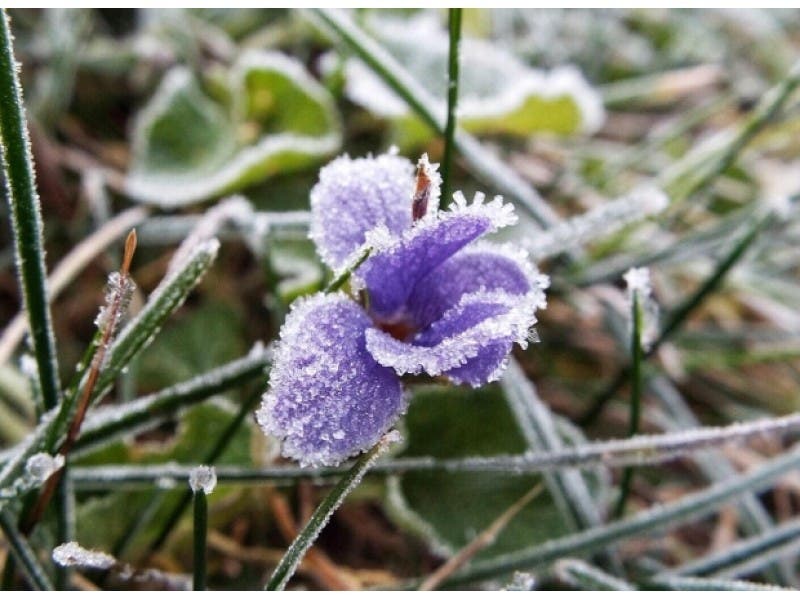
Temperatures in Maryland continue to bounce from hot to cold, and another round of freezing weather will put flowers and other plants at risk overnight.
Much of the state will be under a freeze warning starting at midnight tonight until 10 a.m. Tuesday, says the National Weather Service. Overnight lows will drop into the upper 20s in some part of Maryland, with lows likely in the low 30s in parts of the Baltimore area.
A freeze watch will remain in effect from late Tuesday night through Wednesday morning, with lows in the mid 20s to around 30 Tuesday night.
Find out what's happening in Dundalkfor free with the latest updates from Patch.
Areas in the warning and watch area include the District of Columbia, along with Carroll, Baltimore, Prince George’s, Anne Arundel, Montgomery, Howard, Harford counties.
Cities in the warning area include: Washington, Eldersburg, Westminster, Reisterstown, Cockeysville, Baltimore, Bowie, Suitland-Silver Hill, Clinton, College Park, Greenbelt, Laurel, Camp Springs, Glen Burnie, Annapolis, Severn, South Gate, Severna Park, Arnold, Odenton, Germantown, Damascus, Bethesda, Rockville, Gaithersburg, Columbia, Ellicott City, Jarrettsville and Aberdeen.
Find out what's happening in Dundalkfor free with the latest updates from Patch.
The Weather Service warns of these impacts: “unprotected vegetation sensitive to freezing temperatures will be killed or damaged. Precautionary/preparedness actions: A freeze warning means sub-freezing temperatures are expected. These conditions will kill sensitive crops and other vegetation. A freeze watch means sub-freezing temperatures are possible. These conditions could kill crops and other sensitive vegetation.”
Here are some steps you can take when a frost or freeze threatens, according to TodaysHomeowner.com.
- Bring Indoors: Frost-tender plants in containers should be brought inside during cold weather.Dig up tender bulbsand store them in a cool dry place.
- Water Plants :Water plants thoroughly before a freeze to prevent desiccation and to add insulating water to the soil and plant cells.
- Protect Tender Sprouts: Cover tender plants overnight with an inverted bucket or flower pot, or with a layer of mulch. Be sure to uncover them in the morning when the temperature rises above freezing.
- Cover Shrubs and Trees: Larger plants can be covered with fabric, old bed sheets, burlap, or commercial frost cloths (avoid using plastic). For best results, drape the cover over a frame to keep it from touching the foliage. Fabric covers help to trap heat from the soil, so make sure your cover drapes to the ground. Uncover them in the morning when the temperature rises above freezing.
- Assess Losses: Hardy perennials, trees, and shrubs may recover from a late spring freeze, even if visibly damaged. Their blooms and fruit may be lost for the year, but once they begin actively growing you’ll be able to determine and remove any permanent damage to stems and branches. Frost-tender plants will not recover at all, so avoid planting them until you’re confident that freezing weather has passed.
- Practice Prevention: Choose plants that are hardy for your climate zone, or plant tender plants in containers that can be brought indoors. Avoid applying fertilizer until after the last frost, to prevent a flush of tender growth that can be damaged by the cold.
Get more local news delivered straight to your inbox. Sign up for free Patch newsletters and alerts.