Home & Garden
2016 Atlantic Hurricane Season: Get Home, Family Ready Now
Find out what you need to do in advance of any storm that takes aim at Maryland this summer.


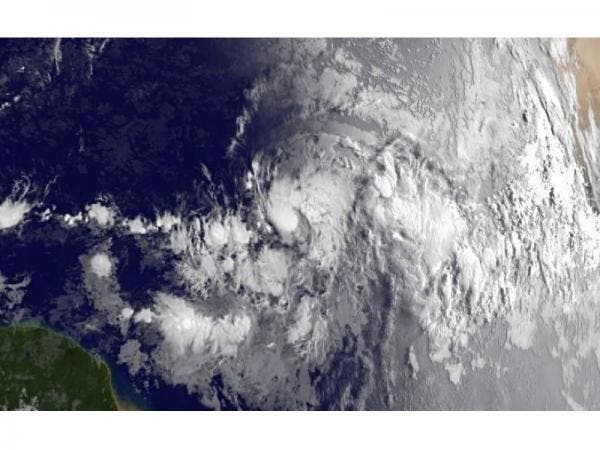
It's only a matter of time before a tropical storm sweeps up the Eastern seaboard, so Maryland residents should take stock of their emergency supplies and review plans for storms that reach the Mid-Atlantic region.
2016 Hurricane Season Outlook
The experts at Colorado State University have issued their forecast for the upcoming season, which starts June 1 and runs through Nov. 30.
Find out what's happening in Dundalkfor free with the latest updates from Patch.
The good news is that forecasters anticipate average hurricane activity this year. That bad news is that average could still produce a total of 12 named storms, five hurricanes and two major hurricanes, according to Colorado State’s forecast.
“We anticipate that the 2016 Atlantic basin hurricane season will have approximately average activity,” the school's forecast says. The probabilities set for “at least one major (Category 3-4-5) hurricane landfall” are as follows:
Find out what's happening in Dundalkfor free with the latest updates from Patch.
- Entire U.S. coastline – 50 percent (the average for the last century is 52 percent)
- U.S. East Coast including the Florida peninsula – 30 percent (average for the last century is 31 percent)
- Gulf Coast from Florida’s Panhandle to Brownsville – 29 percent (average for the last century is 30 percent)
“Coastal residents are reminded that it only takes one hurricane making landfall to make it an active seasons for them, and they need to prepare the same for every season, regardless of how much activity is predicted,” the forecasters said.
But, just what to residents need to do to be ready for the 2016 hurricane season?
According to the National Hurricane Center, there’s more to it than just stocking up on water and nonperishable food.
Pre-Hurricane Checklist
Here’s a checklist of things the center recommends residents do before storms arrive:
- Discuss the types of hazards that could affect your family. Know your home’s vulnerability to storm surge, flooding and wind.
- Locate a safe room or the safest areas in your home for each hurricane hazard. In some circumstances, the safest areas may not be in your home, but within your community.
- Determine escape routes from your home and places to meet. These should be measured in tens of miles rather than hundreds of miles.
- Have an out-of-state friend as a family contact, so all your family members have a single point of contact.
- Make a plan now for what to do with your pets if you need to evacuate.
- Post emergency telephone numbers beside your phones and make sure your children know how and when to call 911. (You can also add emergency numbers to your cellphone contact list for easy reference.)
- Check your insurance coverage – flood damage is not usually covered by homeowners insurance.
- Stock nonperishable emergency supplies and a disaster supply kit.
- Use a NOAA weather radio. Remember to replace its battery every six months, as you do with your smoke detectors.
- Take first aid, CPR and disaster preparedness classes.
Source: National Weather Service
Image from the National Weather Service Facebook page
Get more local news delivered straight to your inbox. Sign up for free Patch newsletters and alerts.