Community Corner
Maryland Cicada Invasion 2017: Avoid Getting Peed On This Summer
Cicadas should be on a 13- or 17-year cycle, but swarms have emerged in Maryland in an off year. How to cope with the loud bugs, mess.


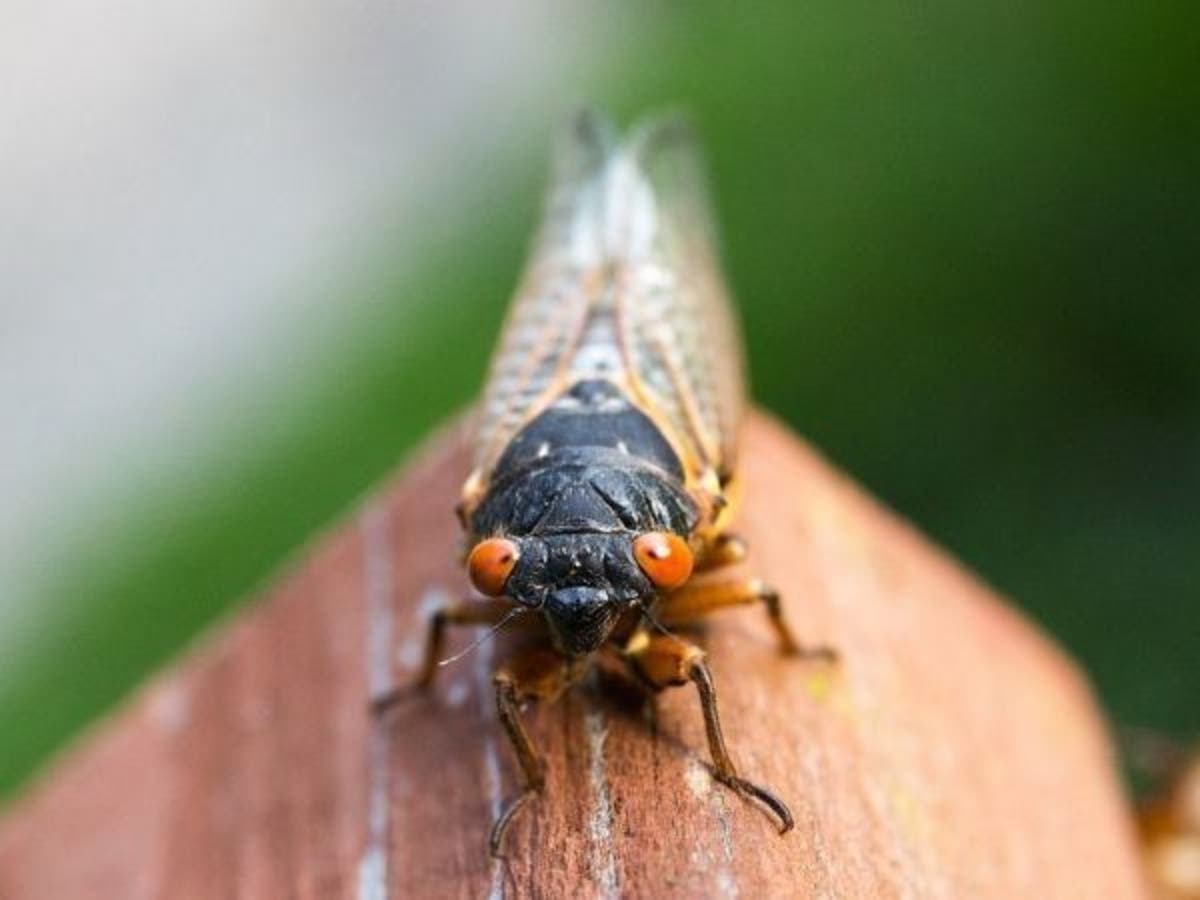
BOWIE, MD — The deafening and somewhat creepy phenomenon that longtime Marylanders will recognize has popped up this spring, although it's off schedule. Cicadas, sometimes known as "17-year locusts," have taken over trees in some areas, and experts have tips to keep you from being "swarmed" by lovestruck creatures or receiving a shower of "cicada rain" as the insects urinate from their perches.
Cicadas have emerged in big numbers in Columbia, Bowie, Annapolis, Rockville and College Park, as well as across Washington, D.C., and northern Virginia in recent weeks. The bugs, which, in large numbers can do serious damage to young trees, shrubs and various crops, are always around.
But huge broods of them occasionally hatch all at once, usually in 13-year and 17-year cycles. For reasons that scientists are still trying to determine, a brood of cicadas will hatch in off years, which is the case for Maryland and Virginia. (SIGN UP: Get Patch's Daily Newsletter and Real Time News Alerts. Or, if you have an iPhone, download the free Patch app.)
Find out what's happening in Dundalkfor free with the latest updates from Patch.
Male cicadas hoping to attract a mate with their fabulous vocal skills are the insects responsible for the noisy calls, or screeching, that you hear.
Prince George's County officials offered some suggestions for residents on how to deal with the visitors:
Find out what's happening in Dundalkfor free with the latest updates from Patch.
- Do yard work at dawn or dusk. Cicadas may mistake the vibrations of lawn mowers and power tools for the vibrations made by males, which might make the insects swarm around anyone running lawn trimmers, leaf blowers or mowers.
- Wear a hat under trees. Cicadas drink from the trees, and as nature takes its course they urinate from their perch. While the so-called "honey dew" or "cicada rain" won't hurt anyone, it's disconcerting, so be prepared with a hat and jacket.
- Watch your pets. Both dogs and cats are tempted to eat the bugs, or their shells, and that can lead to digestive issues at best, and choking at worst.
Trees can be damaged by cicadas when they carve slits in branches to lay their eggs, says a University of Maryland Bug of the Week blog. The varieties most likely to be harmed are fruit trees, oak, maple, dogwood, and redbud, while evergreen trees are usually safe from the unwelcome guests.
According to The Gardener's Network, a 17-year brood known as Brood VI hatched last month in Georgia, North Carolina and South Carolina. But Michael Raupp, a University of Maryland entomologist known as The Bug Guy, writes that what experts call "periodical" cicadas may be part of Brood VI, which hatched in 2004 in Maryland, or they could also be an early wave of Brood X, which is due to hatch in 2021.
Theories on the mysterious appearance of the bugs clinging to trees and leaving exoskeleton shells everywhere includes a link to climate change, Raupp said. The numbers of cicadas out in Maryland is expected to increase as temperatures rise.
"We don’t know exactly why this happens. All we know is that it does happen,” Raupp told WTOP.
"Grab a flashlight and look for a cicada jail break at night, and by day watch the antics of these amazing creatures as the big boy band cranks up in the treetops," Raupp says.
The early visit by Brood X is known as acceleration, he says, when a portion of a cicada brood emerges years in advance of the "billions of cicadas comprising the bulk of their ginormous synchronous brood," Raupp writes.
In 2016, periodical cicadas in some areas hit densities of 1.5 million insects per acre, according to the Washington Post. Fortunately, the adult life span of a cicada is short. The young nymphs often land on trees to shed their skin and become adults. After that, they spend only about four to six weeks above ground before dying.
Contrary to popular belief, adult cicadas do not eat the vegetation that comes into their path. Rather, adult females cut slits into twigs and small branches to lay their eggs. The eggs hatch, creating tiny nymphs, which fall to the ground and burrow, feeding on underground tree roots for years until it's their time to emerge.
Most flowers and vegetables, are generally not bothered by the bugs. They also do not bite or sting humans or other animals.
The best defense against cicadas, according to The Gardener's Network, is 1/4-inch mesh netting spread all the way around the tree or plant you want to protect. Insecticides are useless against cicadas.
Anyone who sees periodical cicada nymphs, shed skins or adults on vegetation or on trees is asked to report your sightings to magicicada.org. Cicada experts are attempting to map the distribution of the insects.
Photo via Pixabay; video from the Bug of the Week YouTube channel
Get more local news delivered straight to your inbox. Sign up for free Patch newsletters and alerts.