Kids & Family
Coronavirus Pandemic Tests Strength Of U.S. Grandfamilies: Report
The pandemic is stacking unprecedented turmoil on top of existing challenges faced by grandparents raising grandchildren, a new report says.


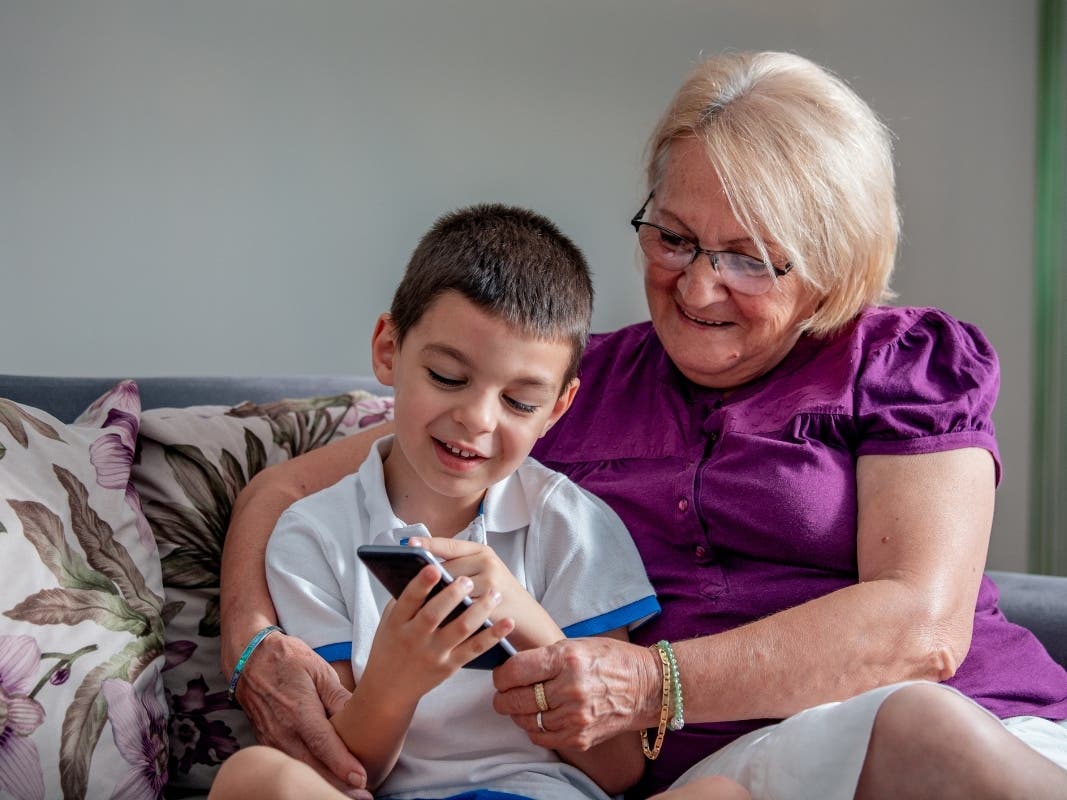
ACROSS AMERICA — Since the start of the coronavirus pandemic, grandparents and older Americans were given the same, stern guidance: Keep yourself safe from infection. Avoid interaction with others. Visit grandchildren through a window or by video call.
But for the millions of grandparents raising grandchildren in the United States, keeping their distance simply isn’t possible.
About 2.7 million children in the United States are being raised solely by grandparents, other relatives or close family friends — often due to parental substance use, military deployment, incarceration, disability or death of a parent — according to the national advocacy group Generations United.
Find out what's happening in Dundalkfor free with the latest updates from Patch.
Another 8 million kids live in homes where a grandparent or other relative is considered the head of the household.
The coronavirus pandemic has affected every American in different ways, but it’s stacking unprecedented turmoil on top of already-unique challenges faced by grandparents raising grandchildren, according to this year’s State Of Grandfamilies report released this week by Generations United.
Find out what's happening in Dundalkfor free with the latest updates from Patch.
RELATED: Grandma And Grandpa To The Rescue But Face Virtual Learning Curve
Resources For Grandparents
If you are a grandparent and struggling, resources and supports are available to help you better navigate raising your grandchildren during the pandemic.
- COVID-19 Fact Sheet For Grandfamilies And Multigenerational Families: Generations United
- A Grandparent's Guide To Helping Students Succeed With Virtual Education: AARP
- Older Adults Technology Services
- Senior Planet
- Grandfamilies.org
- Aging In Place
- American Youth Policy Forum
Other resources grandparents may find helpful include:
- Financial assistance: A fact sheet for grandparent and relative caregivers to help access support through the Temporary Assistance for Needy Families program can be found here.
- Food assistance: Feeding America has information on the different types of food assistance programs they work with and a search tool to find your nearest food bank. Meals on Wheels America also has a tool to find meal providers near you here. You can also contact your eldercare locator eldercare.acl.gov to find out about other sources of food for older adults.
If you're not sure where to turn, try these resources:
- AARP Community Connections offers a list of mutual aid groups that can assist with many tasks for at-risk older adults.
- Generations United offers state-by-state fact sheets that direct grandparent caregivers to available support services.
- The Eldercare Locator can point grandparents to local assistance.
Kinship navigator programs are programs that assist kinship families in accessing resources. Visit www.grandfamilies.org for a list of local programs in your state.
Grandfamilies Face Inquities
The report takes a hard look at the inequities found within "grandfamilies" and how the pandemic has only exacerbated them. From child welfare to aging to housing to online education, it also proposes potential solutions to the challenges they face.
Here's a look at some of the key findings from the report:
Among grandparent caregivers, nearly half are over age 60.
More than 48 percent of grandparents responsible for their grandchildren are age 60 and older. In 2018, the average age of grandparent caregivers was about 59 years old. On average, 48 percent of grandparents will raise their grandchildren for at least five years.
Additionally, one-fifth of grandparents raising grandchildren live in poverty.
FInally, about 25 percent of these grandparents have a disability, compared with about 6 percent of parents of children under age 18. Some of these disabilities compromise their immune systems and place them at higher risk for contracting the coronavirus.
Grandfamilies are more likely to have Black and Native American members.
Mel Hannah and his wife, Shirley, served others for most of their lives.
As an assistant director for the Northern Arizona Council of Governments, Mel Hannah helped local governments provide services to communities in several counties. He was the first Black person elected to serve on the Flagstaff City Council, the president of the Flagstaff chapter of
the NAACP and the vice chairman of the NAACP Arizona State Conference.
But at 82 years old, Hannah found himself on the receiving end of the support he spent 40 years providing.
In May, the Hannahs went from helping their daughter, Ashley, care for her
children to raising them full time after she died unexpectedly from COVID-19. Ashley’s death left the Hannahs in charge of raising three young boys, ages 5, 4 and 1.
The Hannahs’ story is highlighted in the report and is only one example of how millions of grandparents became the primary caregivers for their grandchildren.
Before the pandemic, Black children were more likely to live with their grandparents than other children. While Black children make up 14 percent of all children in the United States, they comprise more than 25 percent of all children in grandfamilies and 23 percent of all children in foster care.
Native American children make up 1 percent of all children in the United States, but they comprise more than 8 percent of children being raised by grandparents and 2 percent of all children in state foster care systems.
Now, the pandemic is hitting those communities harder than any other.
Black Americans are dying at a rate 2.5 times greater than white Americans, according to the report, while Native Americans and Latinos are dying at a rate 1.5 times greater than white Americans.
Grandfamilies have little available support.
For Santana Lee of Wisconsin, the pandemic hit her and her family “out of nowhere.”
Lee, who is raising eight grandchildren, told report authors that overcoming the numerous challenges of the pandemic, such as virtual learning, was stressful and trying.
“And just trying to make sure that my kids’ mental health stayed in check,” Lee said in the report. “Being stuck in a house for a situation that they barely were able to understand, at the time, it was really hard for me.”
In the United States, about 32 percent of all children in foster care are cared for by grandparents or other kin, a number that’s jumped by 8 percent in the past decade.
While it's beneficial for kids to remain with family, the foster care system does not support these children or caregivers as they should, the report says.
If a child being raised by a grandparent lived in foster care with a non-relative, the household would receive a monthly foster care maintenance payment, Medicaid, free or reduced school meals, Supplemental Nutrition Assistance Program (SNAP) benefits, help enrolling in school and transportation to school, and education and independent living vouchers.
But since many grandparents never become licensed foster parents, the system doesn’t provide to them the same benefits received by kids in the care of non-relatives.
Many grandparents also have no legal authority over their grandchildren, the report says. They can’t consent to health care, can’t enroll children in school or name an adult to take over care if something happens to them.
That lack of support has consequences.
A survey conducted by Generations United found that 38 percent of grandparents are unable to pay or worried about paying mortgage or rent. About 43 percent fear leaving their home for food, and 32 percent say that when they arrive at food pickup sites, the food is gone.
Thirty percent also say they have no plan for where their grandchildren will go if they die.
More Support Is Key
The bottom line, Generations United writes in the report, is that grandparents raising grandchildren must be supported now and after the pandemic. When caregivers in grandfamilies receive services and support, children have significantly better social and mental health outcomes.
The report offers a key federal policy recommendations:
- Fund and establish an independent National Grandfamilies Technical Assistance Center to bridge the gap between available services for grandparents raising grandchildren and jurisdictions hoping to support them.
- Increase federal funding for kinship navigator programs, which often provide direct goods and emergency assistance to grandfamilies.
- Amend Title IV-E of the Social Security Act to allow for the use of federal child welfare funds to provide foster care maintenance payments for children placed with grandparents and other kin.
- Increase investments in family support, the child welfare system, and older youth transitioning from foster care.
- Require all states to use federal child welfare funds to offer Guardianship Assistance Programs, and waive the requirement that grandparents must become licensed foster parents to access the program.
- Implement a federal guardianship tax credit similar to the adoption tax credit.
- Allow for child-only SNAP benefits that don’t consider the income of the caregiver.
- Provide $50 billion in dedicated child care funding to ensure the child care system survives this pandemic.
View the full Generations United State Of Grandfamilies report.
Get more local news delivered straight to your inbox. Sign up for free Patch newsletters and alerts.