Community Corner
MD Blue Crab Count Shows More Spawning-Age Females In Bay
While the spawning-age female blue crab population increased this year in the Chesapeake Bay, the total number of blue crabs has dropped.


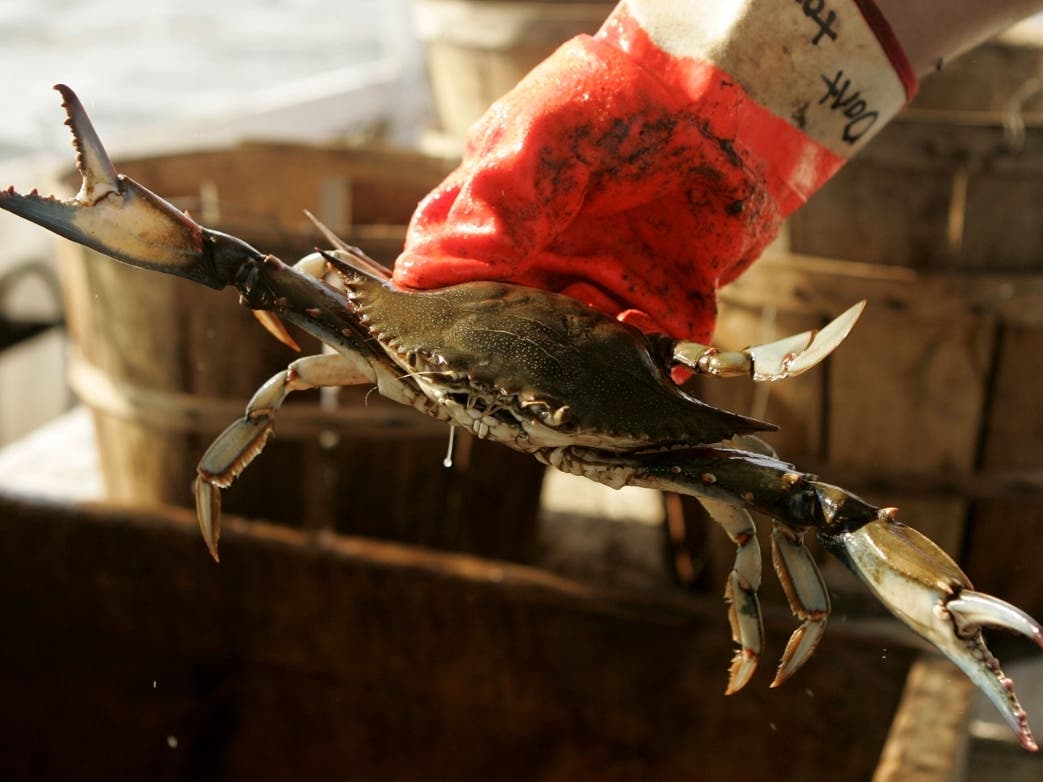
MARYLAND — The number of spawning-age female blue crabs in the Chesapeake Bay has increased from 141 million in 2020 to 158 million in 2021. That figure hits above the long-term average of 126 million spawning-age female crabs, according to the Maryland Department of Natural Resources' 2021 Blue Crab Winter Dredge Survey, which annually estimates the number of blue crabs in the Chesapeake Bay.
“Protecting spawning age females is a critical component to maintaining a healthy and sustainable blue crab population,” Maryland Department of Natural Resources Secretary Jeannie Haddaway-Riccio said. “We are pleased to report that the cooperative management efforts of our Chesapeake Bay jurisdictions have continued to conserve female crabs within a healthy range.”
Scientists and managers use target and threshold abundance estimates to establish a healthy level of spawning-age female abundance based on available historical information.
Find out what's happening in Dundalkfor free with the latest updates from Patch.
Recently scientists re-evaluated the healthy range of spawning age female abundance through a stock assessment analysis and updated the target and threshold spawning age female abundance estimates.
This year, the number of spawning age females estimated to be in the Bay is well above the updated threshold of 72.5 million, but slightly below the updated target of 196 million, the report said.
Find out what's happening in Dundalkfor free with the latest updates from Patch.
The total abundance of blue crab in the Chesapeake Bay in 2021 was 282 million crabs, a below-average total for the 32 years of survey results, which is largely attributed to low juvenile abundance. The number of juvenile crabs in 2021 was 86 million, which is the lowest recorded juvenile abundance since the start of the survey.
Additionally, the count showed there were 39 million adult male crabs, below the long-term average of 77 million.
Although the specific cause of this year’s low abundance of young crabs cannot be identified, large variations in annual juvenile recruitment to the Chesapeake Bay are normal for blue crabs, the report said.
After spawning at the mouth of the Chesapeake Bay, young crabs develop in the ocean over the continental shelf and rely on winds and currents to be moved back into the Bay, where they settle and grow. So, annual juvenile abundance is largely driven by environmental factors.
“Blue crab fishery managers will need to keep a close eye on juvenile and male abundance over the summer through our monitoring efforts and to exercise caution moving forward into next year, as these crabs recruit to the fishery,” Mike Luisi, director of Maryland DNR’s Monitoring and Assessment Division of Fishing and Boating Services, said.
The Chesapeake Bay Stock Assessment Committee will review the survey results and provide their scientific advice for management during their May meeting. Following their advice, DNR will begin discussions with the Blue Crab Industry Advisory Committee to provide guidance concerning the course of action for 2021 that promotes the health of the Chesapeake Bay blue crab population and its fisheries.
Get more local news delivered straight to your inbox. Sign up for free Patch newsletters and alerts.