Schools
The 411 On Head Lice
Every year, there are lice infestations in schools and daycare centers. Read on to learn the truth and dispel the myths.


We haven’t been in school a month yet and I’ve already received notice of the first case of head lice at my sons’ elementary school.
There are many misconceptions about lice. School nurse, Pamela DeJong, RNC, PNP, dispels some of the myths and gives us the facts.
What Are Head Lice?
Find out what's happening in Framinghamfor free with the latest updates from Patch.
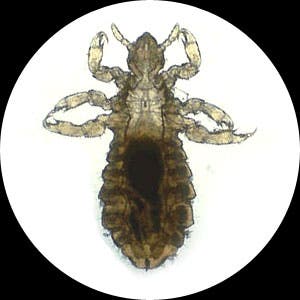
Head Lice, (Pediculus Capitus) are small, parasitic insects that live mainly on the scalp and neck hairs of their human host. Lice do not infect pets, only humans. They have six legs that grasp hair shafts. They don’t jump or fly but crawl and can live for about a month.
A head louse is about the size of a sesame seed and is brownish tan in color. It is difficult to see and you might not detect its presence so you need to watch for signs such as scalp itch or tickling.
Find out what's happening in Framinghamfor free with the latest updates from Patch.
What Is a Nit?
Nits are tiny, yellowish-white oval eggs attached to the hair shaft at an angle. They are the size of a period on this page. Lice lay nits on hair shafts close to the skin’s surface. They look like dandruff but they do not wash off or blow away.
Common Misconceptions
Having head lice does not mean that you don’t bathe or that you don’t keep a clean house. It does mean loss of school for kids and loss of work time for parents.
Hair soaps, bleaches and dyes can be caustic and there is a lack of data to assess the efficacy of these products against lice. There is no proven repellant product.
What Parents Need to Know
The sooner nits and head lice are detected, the easier it is to control and remove them because they multiply quickly. The National Pediculosis Association recommends that parents screen their children several times a week as part of regular hygiene practice like shampooing their hair and brushing their teeth.
Tell your school nurse if your child has head lice so close contacts can be screened. The nurse can show you what nits look like and demonstrate how to pull them down the hair shaft. If a parent chooses not to report a case of lice it means it will spread easily and quickly to other children so please communicate with your school nurse for the sake of others.
How to Prevent Lice
- Short haircuts will provide lice with less to hold on to and short hair is easier to check.
- Tell your child to avoid head to head contact at school, in the gym, playground, playing at home, sports, classroom rug time or when working in groups, even standing in line.
- Tell your child not to share combs, brushes, hats, scarves, bandanas, ribbons, barrettes, hair ties or bands, towels, helmets or other personal care items.
- During lice outbreaks, tie hair back, braid it or put it in a bun and/or wear a bandana.
Above all please report lice infestations to your child’s school nurse so measures can be taken to contain it.