Schools
Alcohol Culture May Doom University of Michigan Greek Life
Unless fraternities and sororities "moderate some of their risky behavior," they may be on the way out, U-M president says.


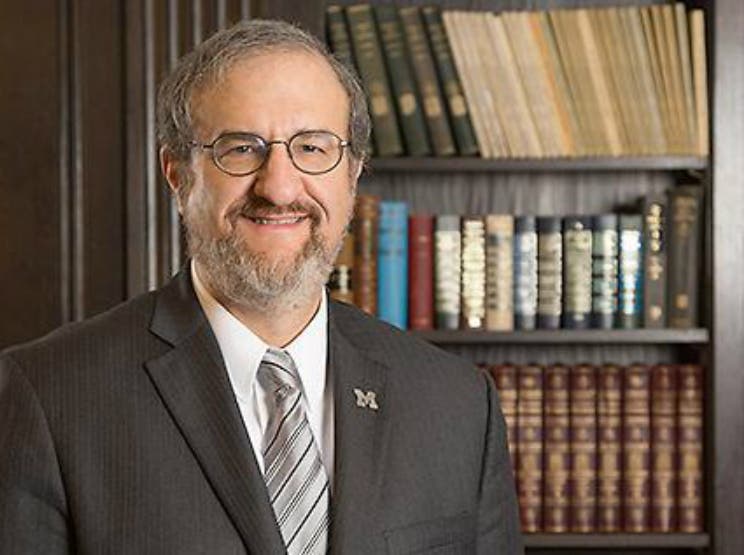
Unless University of Michigan fraternity and sorority members control excessive drinking and rowdy parties, Greek organizations could cease to exist on the Ann Arbor campus, the university’s president said Tuesday.
Find out what's happening in Bloomfield-Bloomfield Hillsfor free with the latest updates from Patch.
“I don’t see it in the short term and it certainly is not my ambition to get rid of fraternities and sororities” U-M President Mark Schlissel told reporters after speaking to the Detroit Economic Club, according to media reports.
But, he said, unless students “moderate some of their risky behavior,” Greek organizations “may naturally wither and people may want to stop joining them.”
Find out what's happening in Bloomfield-Bloomfield Hillsfor free with the latest updates from Patch.
Schlissel called overuse of alcohol a systemic “culture problem” in Greek organizations that hurts U-M’s reputation.
“Parties at frats and sororities send the wrong message that the University of Michigan is a party school and not a serious research university,” he said.
In September, the school received dubious accolades for its party atmosphere, making Playboy magazine’s 2015 Top Party Schools List, coincidentally released at the time Schlissel called a summit with Greek leaders and asked them to tone down their revelry, according to the Michigan Daily.
The Sigma Alpha Mu fraternity at U-M made national headlines last winter after a wild ski weekend that left behind an estimated $400,000 in damages. The fraternity was permanently banned at U-M as a result.
At Tuesday’s news conference, Schlissel said the news about fraternities and sororities isn’t all bad. Their members do good philanthropic work for charities and tend to have higher grade point averages than other students, he said. About a quarter of U-M students belong to Greek organizations.
“The challenge is many of them engage in risky behavior,” Schlissel said, adding it’s his “obligation to help them understand the risks they are taking.”
For example, liquor-related arrests at U-M increased to 254 in 2014, up from 202 in 2013; and violations referred for disciplinary action rose to 1,429 in 2014, up from 1,234 the year prior, according to federal crime statistics released by the university this month.
The university is considering measures to stem partying among Greeks, according to the Michigan Daily.
Tell Us
- Do Greek organizations have a place on modern college campuses? Tell us what you think in the comments.
Among them are more parental involvement following alcohol-related hospital visits and delaying the Greek rush process, which occurs less than a week after new students arrive on campus.
The problem isn’t unique to Michigan. Scandals and problems with Greek organizations have been reported at Pennsylvania State University, the University of Houston, the University of Oklahoma, the University of South Carolina, North Carolina State University and Dartmouth College, among others.
Last winter, Alexander Nazaryan, a senior writer at Newsweek, opined that fraternities no longer belong on America’s college campuses.
Get more local news delivered straight to your inbox. Sign up for free Patch newsletters and alerts.