Community Corner
Daylight Saving Time 2016 Ends: Dangers of Deer, Drowsy Drivers and Darkness
Earlier sunsets mean more danger on the road, including drowsy drivers — 103 million of them who said they fell asleep at the wheel.


With the end of Daylight Saving Time at 2 a.m. Sunday, you’ll also have to reset your internal clocks and adjust to gradually earlier sunsets until the Winter Solstice arrives on Dec. 21. In many Eastern Standard Time cities, it will start getting dark before many of you leave the office and start your evening commute, where dangers you may not be prepared for are lurking.
Experts say springing forward to daylight saving time, when we lose an hour, is harder on the body than falling back from it, when we get to languish in bed for one more luxurious hour of sleep or pack in another hour of fun with friends and family.
Though you’re not as likely to suffer a cardiac event in the fall as in the spring — true fact: a 2015 University of Michigan study showed a 25 percent surge in heart attacks on the first full day after the spring-forward to DST — the chances that something bad will happen during your commute go up dramatically. Here are some of them:
Find out what's happening in Detroitfor free with the latest updates from Patch.
Increased Deer Collision Risk
![]()
Photo by Lee Coursey via Flickr Commons
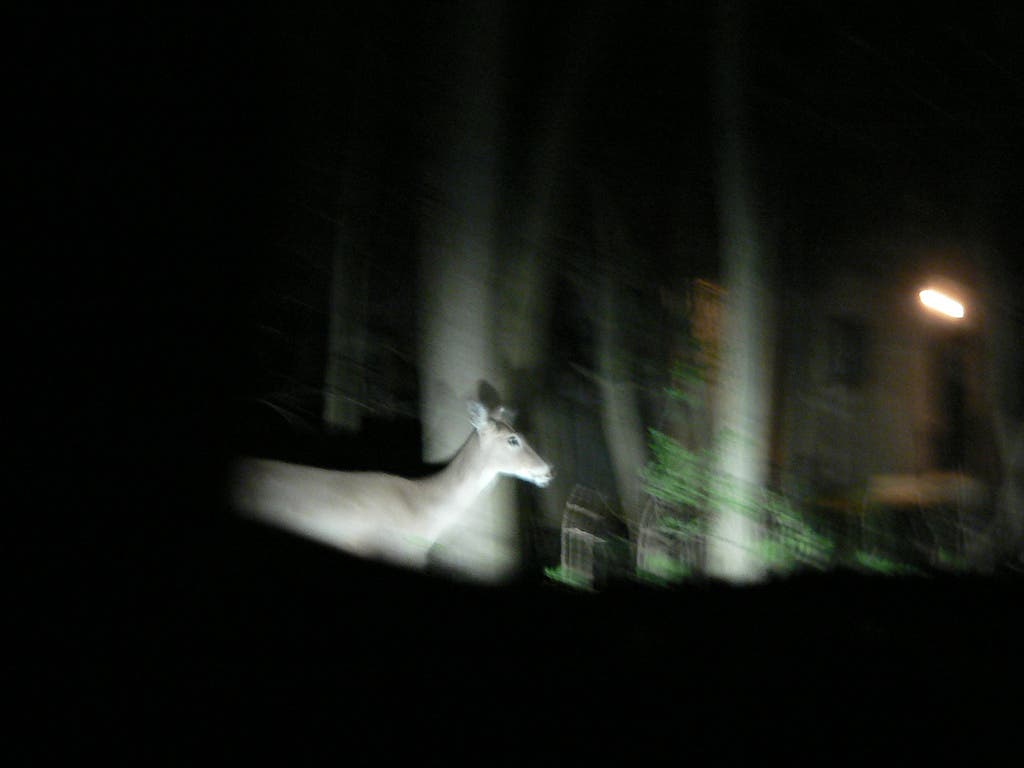
According to a blog on esurance.com, more deer-related collisions occur in November than any other month. In general, deer are most active between dusk and 11 p.m., and they’re especially frisky at this time of year. It’s prime breeding season — you may have heard it referred to as “in rut” — and they run about more wildly than usual. So the chances of a collision increase.
So slow down, know that if you see one deer more are likely to follow, pay attention to deer crossing signs and use your high beams — unless you’re meeting an oncoming car, of course — to increase your chances of spotting them. Brake if you can, but don’t swerve, because that could result in a more serious collision.
Find out what's happening in Detroitfor free with the latest updates from Patch.
103 Million Asleep at the Wheel
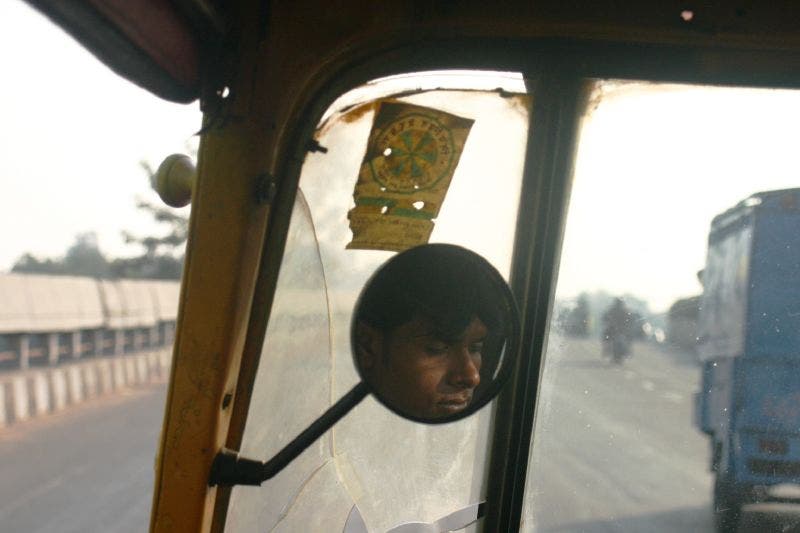
Longer nights also induce drowsy driving. Of course, most of us don’t go to sleep the moment it gets dark or wake up the moment the sun peaks over the horizon in the morning, but our internal clocks hardwire our bodies for that kind of sleep cycle.
National Highway Traffic Safety Administration research shows drowsy-driving crashes most frequently occur between midnight and 6 a.m., or in the late-afternoon — both times when there are dips in your circadian rhythm — that’s your internal human body clock. About 100,000 police-reported crashes a year are a result of driver fatigue, according to the NHTSA research.
And if that’s not wake-up call enough, consider this: A staggering 103 million people admitted they fell asleep at the wheel when surveyed in a poll for the National Sleep Foundation, which observes Drowsy Driving Prevention Week during the week following the end of Daylight Saving Time, this year from Nov. 6-13.
Of those surveyed who said they had fallen asleep while driving, 13 percent said it happens regularly about once a month, and 4 percent said they caused a crash when they fell asleep. The poll also showed that 60 percent of adults say they have driven when they were sleepy.
Some other findings:
- Adults 18-29 are more likely drive when they’re drowsy compared to other groups (71 percent, vs. 52 percent for drivers 30-64 and 9 percent for drivers 65 and older)
- Men are more likely than women to drive while drowsy, 56 percent to 45 percent, and are almost twice as likely as women to fall asleep while driving, 22 percent versus 12 percent.
- Parents and other adults with children in their households are more likely to drive drowsy than those without children, 59 percent to 45 percent.
- Night shift workers are more likely than their colleagues who work day shifts to be drowsy when they drive to work, 36 percent versus 25 percent.
Why Most Accidents Occur at Night
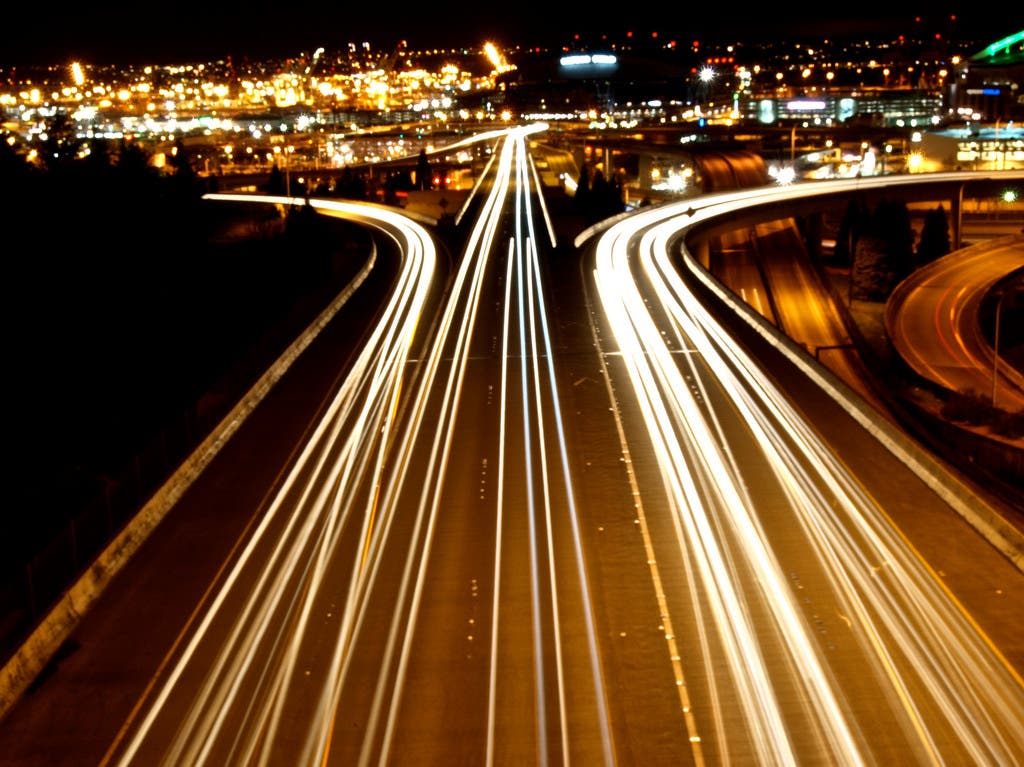
The risk of a fatal traffic accident is three times greater at night than during daylight hours, according to the National Safety Council. More animals, sleepy drivers and drunken drivers all play a role, but decreased visibility is the main culprit in increased night-time fatalities, the National Safety Council says.
Some reasons: Depth perception, color recognition and peripheral vision can be compromised in the dark, and the glare of headlights from an oncoming vehicle can temporarily blind a driver.
“Think about it: 90 percent of your reaction time depends on your ability to see what’s around you,” the NSC said on its website. “And since your depth perception, color recognition, and peripheral vision decrease after sundown, your chances for a car accident tend to increase.”
Even when they’ve flipped on their high-beam headlights, divers can only see about 500 feet (compared with 250 feet for normal headlights) and have less time to react to something in the road, especially at high speeds.
To combat darkness, the National Safety Council recommends:
- Make sure your headlights are clean and properly aimed.
- Dim your dashboard lights.
- Look away from oncoming lights.
- If you wear glasses, ask your optometrist about anti-reflective lenses.
- Make sure your windshield is clean and free of streaks.
- Slow down to compensate for limited visibility and decreased braking time.
Remember this, too: The evening rush hour is already a dangerous time because roads are crowded and drivers are eager to get home. With dusk coming an hour earlier, be extra patient, stay in your lane and keep an eye out for drivers who are darting in and out of lanes, and if you’re going somewhere unfamiliar, check the map before you go and memorize your route.
You can check the exact time the sun sets after the fall back from Daylight Saving Time here.
Feature image by Peter Vanderheyden via Flickr Commons
Get more local news delivered straight to your inbox. Sign up for free Patch newsletters and alerts.