Health & Fitness
D'oh! Raw Cookie Dough No Good To Eat, FDA Says
Are you going to follow the FDA's childhood memory-ruining advice? Take our reader poll here.


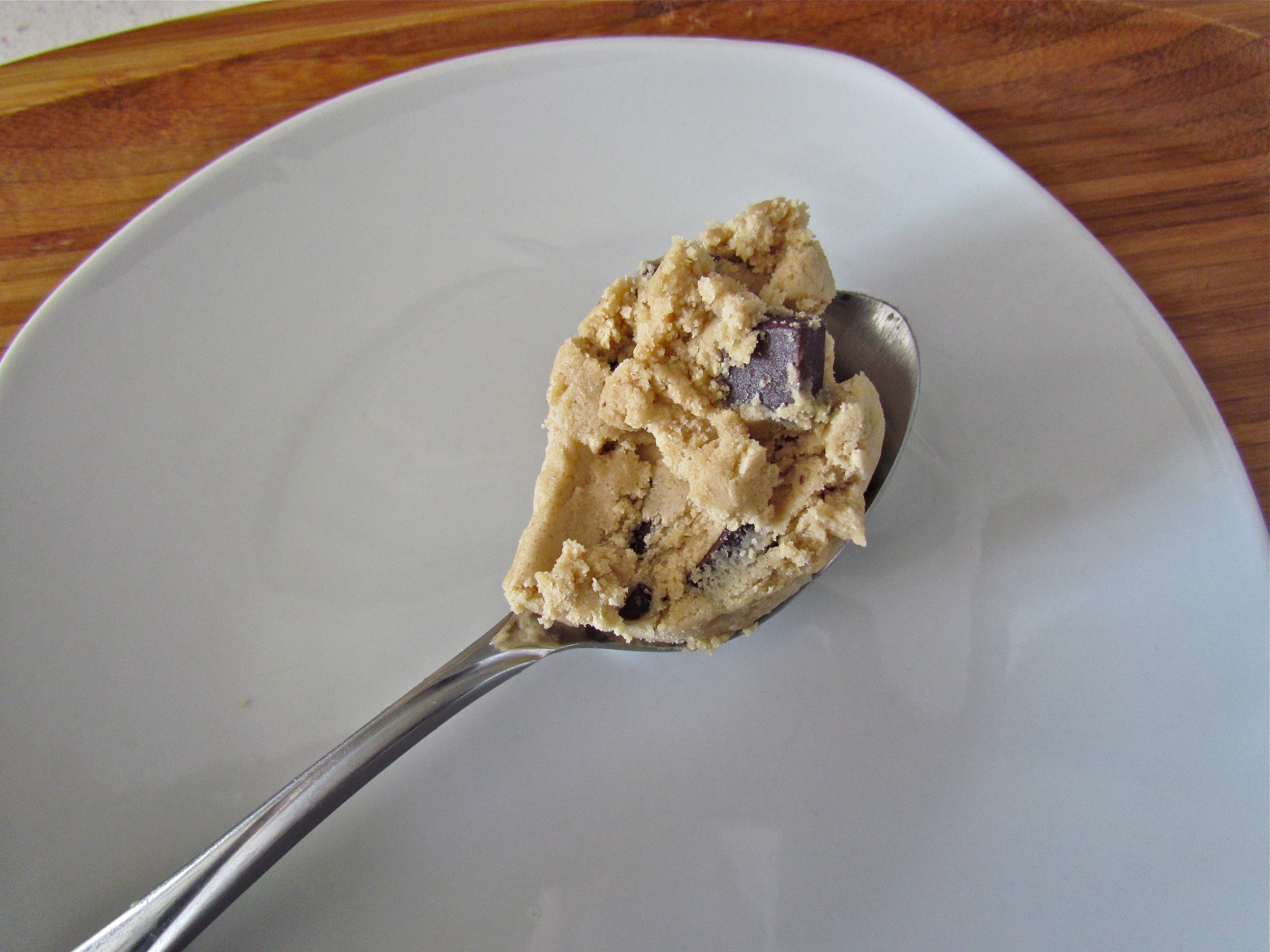
Wave goodbye to your fond memories of eating raw cookie dough.
The U.S. Food and Drug Administration released a report that may ruin the futures of millions of would-be-batter-lickers this week, declaring that eating raw dough or batter could cause serious health problems.
In addition to cookie dough, the FDA is also cautioning against consuming raw batter for bread, cookies, pizza or tortillas.
Find out what's happening in Montclairfor free with the latest updates from Patch.
“Flour, regardless of the brand, can contain bacteria that cause disease,” the FDA stated in its June 28 advisory. “People often understand the dangers of eating raw dough due to the presence of raw eggs and the associated risk with Salmonella. However, consumers should be aware that there are additional risks associated with the consumption of raw dough, such as particularly harmful strains of E. coli in a product like flour.”
“Flour is derived from a grain that comes directly from the field and typically is not treated to kill bacteria,” says Leslie Smoot, a senior adviser in the FDA’s Office of Food Safety and a specialist in the microbiological safety of processed foods. “So if an animal heeds the call of nature in the field, bacteria from the animal waste could contaminate the grain, which is then harvested and milled into flour.”
Find out what's happening in Montclairfor free with the latest updates from Patch.
According to the FDA, common “bacteria-killing steps” applied during food preparation and/or processing include boiling, baking, roasting, microwaving and frying.
With raw dough, no kill step has been used, the FDA warns.
E.COLI OUTBREAK
The feds say that they have a good reason for bumming out dough-loving children and adults.
The FDA, along with the Centers for Disease Control and Prevention (CDC) and state and local officials, is investigating an outbreak of infections across the country in which dozens of people have been sickened by a strain of Shiga toxin-producing E. coli dubbed “O121.”
From Dec. 21, 2015 to May 3, 2016, 38 people in 20 states were infected with the outbreak strain of E. coli O121, the CDC stated in a recent bulletin.
In its investigation, the CDC learned that some people who got sick had eaten or handled raw dough.
“FDA’s traceback investigation determined that the raw dough eaten or handled by ill people or used in restaurant locations was made using General Mills flour that was produced in the same week in November 2015 at the General Mills facility in Kansas City, Missouri,” the agency wrote.
General Mills conducted a voluntary recall of 10 million pounds of flour sold under three brand names: Gold Medal, Signature Kitchens and Gold Medal Wondra, the FDA stated.
“Flour has a long shelf life, and bags of flour may be kept in peoples’ homes for a long time,” FDA officials said. “Consumers unaware of the recall could continue to eat these recalled flours and potentially get sick. If consumers have any of these recalled flours in their homes, they should throw them away.”
SAFETY TIPS
The FDA offers the following tips for safe food handling:
- Do not eat any raw cookie dough, cake mix, batter or any other raw dough or batter product that is supposed to be cooked or baked.
- Follow package directions for cooking products containing flour at proper temperatures and for specified times.
- Wash hands, work surfaces and utensils thoroughly after contact with flour and raw dough products.
- Keep raw foods separate from other foods while preparing them to prevent any contamination that may be present from spreading. Be aware that flour may spread easily due to its powdery nature.
- Follow label directions to chill products containing raw dough promptly after purchase until baked.
Photo: robinmcnicoll, Flickr Commons
Get more local news delivered straight to your inbox. Sign up for free Patch newsletters and alerts.