Sports
Olympic Athletes And Marijuana: New Rules In Effect For Rio 2016
The rules for marijuana testing have changed for Olympic athletes. Do they go too far… or not far enough?


When U.S. judoka Nicholas Delpopolo was expelled from Olympic competition in 2012 after testing positive for marijuana, he emphasized that he didn’t hurt anyone.
“And yet people hated me,” the Olympian lamented.
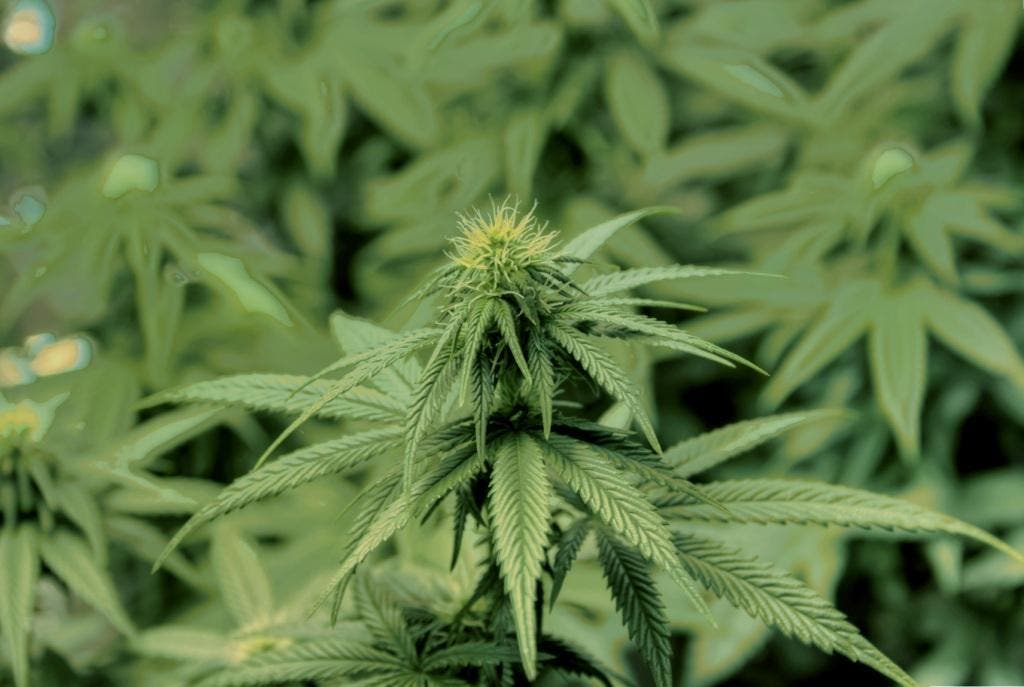
Ever since the World Anti-Doping Agency (WADA) first banned the use of cannabis in 1999, several Olympians have faced sanctions, public scorn and seized medals because of alleged marijuana use. But the Olympics’ drug testing landscape is changing. And this year in Rio De Janeiro, athletes at the Summer Games got their first chance to compete under a new testing policy that allows for up to 10 times the amount of weed in their systems.
Find out what's happening in Montclairfor free with the latest updates from Patch.
Enacted by the WADA in 2013, the new policy expanded the maximum threshold of THC – the active chemical in marijuana – from 15 nanograms per milliliter to 150 ng/ml. Officials say that the new level is intended to penalize athletes who consume cannabis during the games… not those who enjoy an occasional toke when out of competition.
"Our information suggests that many cases [of marijuana use] do not involve game or event-day consumption," a WADA spokesman told USA Today in 2013. "The new threshold level is an attempt to ensure that in-competition use is detected and not use during the days and weeks before competition."
Find out what's happening in Montclairfor free with the latest updates from Patch.
Here’s how High Times explained the difference:
“This means as long as an [athlete] doesn’t show up in Brazil stoned or get high during the games, Olympic officials do not give two flying squirts about marijuana.”
OLYMPIC DRUG POLICY
Worldwide drug testing for the Olympic games is administrated by the WADA, which places marijuana in the same category as other recreational drugs such as cocaine, meth and heroin, which are only prohibited while an athlete is “in-competition.”
Alcohol use is only prohibited “in-competition” for four categories: air sports, archery, automobile and powerboating. At the request of World Karate Federation, karate was removed from the list of in 2014.
The WADA states that it follows three main criteria when deciding if a substance should be banned:
- Performance enhancement
- Danger to an athlete's health
- Violation of the “spirit of sport”
POT BROWNIES, BONG HITS AND GOLD MEDALS
During the 2012 Olympics, U.S. judoka Nicholas Delpopolo was expelled from competition after he tested positive for cannabis. Delpopolo later said that he didn’t know there was pot inside a brownie he ate at a celebration party with friends, and called it “the worst thing I have ever done in my life.”
He told Patch that the incident caused friends to turn their backs on him and complete strangers to curse and yell at him on the street.
“It wasn’t like I was cheating, I wasn’t trying to cheat the system,” Delpopolo said of the pot brownie incident. “I didn’t hurt anyone necessarily. And yet people hated me.”
- See related article: Westfield’s Judoka Won’t Let Pot Brownie Define Him, Returns To The Olympics
During the 1998 Winter Games, Canadian snowboarder Ross Rebagliati had his gold medal stripped after he tested positive for 17.8 ng/ml of cannabis, well below the new threshold. Rebagliati – who eventually got his medal back, opened a medicinal marijuana company in British Columbia and became an avid pro-cannabis advocate – has argued that the drug should be completely removed from the WADA’s list of banned substances.
Cleaning out the garage today made for a fun trip down memory lane. Haven't seen some of these decks in years! #snowboard #garage #ski #race #gear #rossgold #rastaempire #whistler #winter #quiver
A photo posted by Ross Rebagliati (@rossrebagliati) on Jul 29, 2016 at 1:31pm PDT
Stephany Lee, an American wrestler who won the 2012 U.S. Olympic Trials, was scheduled to compete at the 2012 games before a drug test forced her out of competition. Lee, a self-admitted regular cannabis user, said that she stopped using marijuana two weeks before the trials, “the longest I ever quit before a competition.”
In addition to disqualifications and medal grabs, other Olympians have encountered public criticism for allegedly consuming marijuana. When U.S. swimming icon Michael Phelps was photographed taking a hit from a bong at University of South Carolina in 2009, the resulting blowback cost him a lucrative endorsement deal with the Kellogg Company and resulted in a three-month suspension by USA Swimming.
SHOULD OLMYMPIANS BE ALLOWED TO USE CANNABIS?
After the new marijuana testing rules were approved in 2013, U.S. Anti-Doping Agency science director Matt Fedoruk told USA Today that that the definition of performance enhancing drugs shouldn't be limited to "making you stronger and faster and being able to jump higher.”
“It's how it affects some of the other parameters that are really important like pain or confidence or some of the things that are a bit more difficult to measure or define analytically,” Fedoruk asserted.
But some pro-cannabis activists say that it’s time to stop punishing athletes for using marijuana.
“More and more athletes are coming forward about their marijuana use, from a wide variety of sports, citing both medical benefits for treating injuries and the much lesser impact of recreational use compared to alcohol,” the Marijuana Policy Project stated in a 2012 blog post about cannabis use among Olympians.
“Unfortunately, many continue to be punished for it,” the MPP wrote. “It is time we stop punishing the nation’s greatest athletes for using marijuana. These individuals have the ability and opportunity to smash the negative stereotypes that marijuana users have had to live with for so long, but are being cheated out of their shots at personal and national glory by closed-minded officials and archaic policies.”
Get more local news delivered straight to your inbox. Sign up for free Patch newsletters and alerts.