Politics & Government
Toxic Algae Found Found in Portsmouth and Middletown Ponds
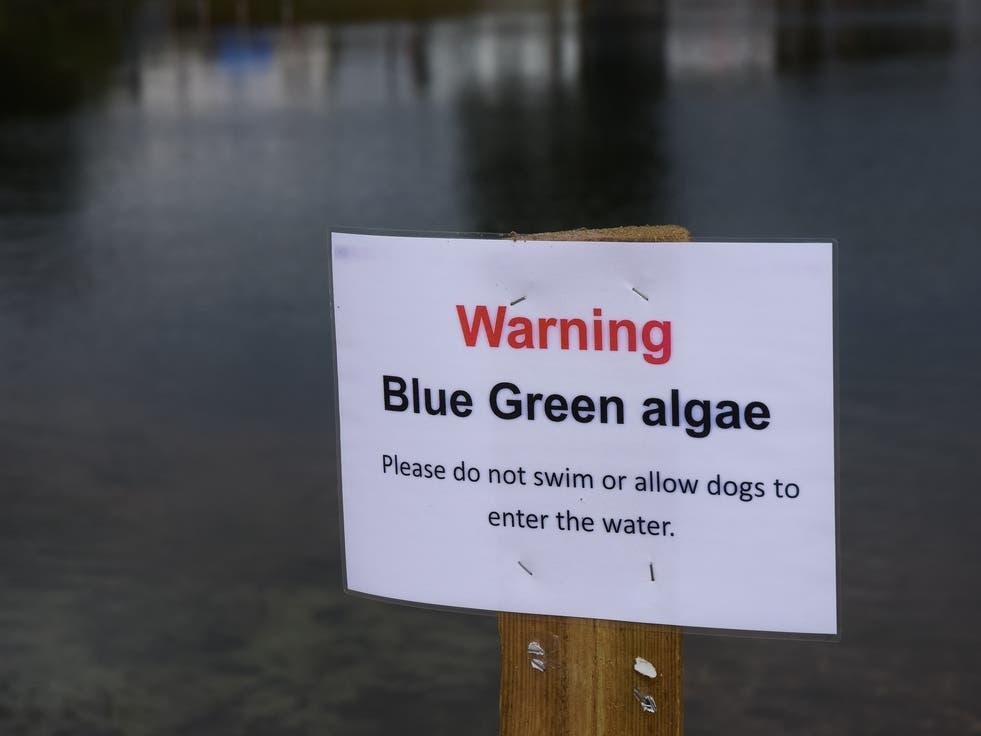
The state health department is warning the public to stay away and keep pets away from the water with the algae bloom.


PORTSMOUTH, RI—It's back. Blue-green algae—officially known as cyanobacteria—has returned to two Aquidneck Island ponds.
St. Mary's Pond, in Portsmouth, and South Easton Pond, in Middletown, have been affected, according to the state health department and the Department of Environmental Management.
But more ponds could follow.
Find out what's happening in Portsmouthfor free with the latest updates from Patch.
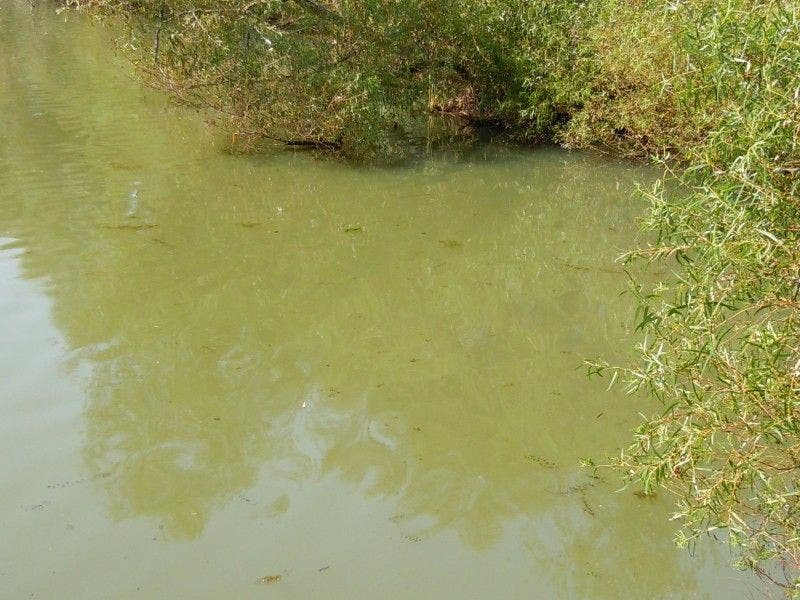
"The public should avoid contact with any body of water in Rhode Island that is bright green or has a dense, floating algal mat on the water's surface," the health department said in a advisory. "Blue-green algae blooms may look like green paint or thick pea soup."
And even after the bloom disappears, exposure to the water could still be harmful.
Find out what's happening in Portsmouthfor free with the latest updates from Patch.
The advisory means people should not touch, drink, or swim in those waters or eat fish caught from them. Also, the pets should not be allowed to swim in or drink the water.
Joseph Wendelken, spokesman for the state Department of Health, said Monday that similar algae
blooms have appeared in the past in the same bodies of water.
Wendelken said the state is not taking any action except to warn people to stay away and also keep pets away.
"It's not new," he said and added its arrival again this year follows a seasonal pattern because the algae is connected to warm weather.
Mere contact with the water could result in irritation, but drinking it could cause stomach ache, nausea, vomiting and diarrhea. More serious health consequences include nervous system and liver damage.
Young children and pets are at greater risk than adults because of their small size and tendency to swallow water.
But "anyone who comes into contact with water from these ponds should rinse their skin with clean water as soon as possible, bathe, and wash their clothes," the health department said. "If a pet comes in contact with this water, the pet should be washed with clean water. Do not let the animal lick algae off of its fur. Call a veterinarian if the pet shows any symptoms of blue-green algae poisoning, which include loss of energy, loss of appetite, vomiting, diarrhea, or any unexplained sickness that occurs within a few days of contact with the water."
Meanwhile, the health department is also letting people know both ponds serve as reservoirs for Newport Water, but treated city water from their faucets is safe.
Photo: Patch file photo.
Get more local news delivered straight to your inbox. Sign up for free Patch newsletters and alerts.