Community Corner
Toxic Algae Blooms Found in Two Portsmouth Bodies of Water
Steer clear of Sisson Pond and Lawton Valley Reservoir, the state Department of Health says.


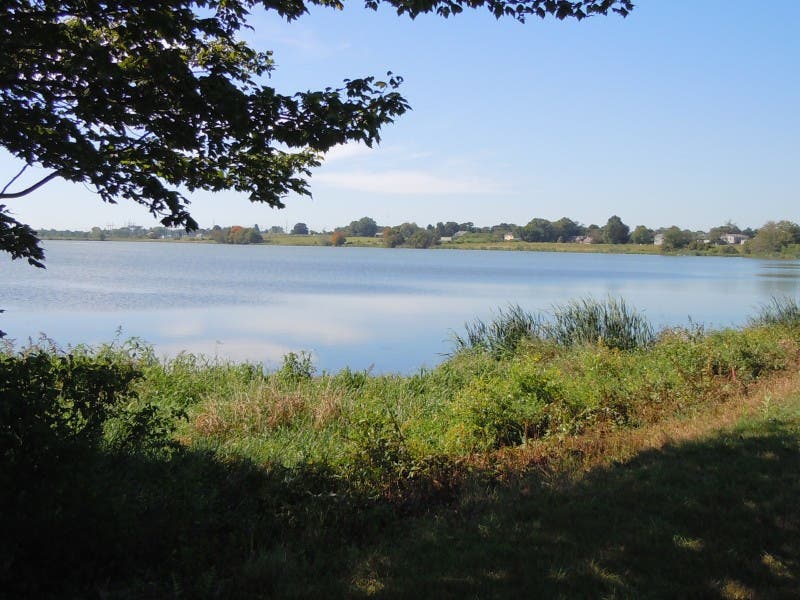
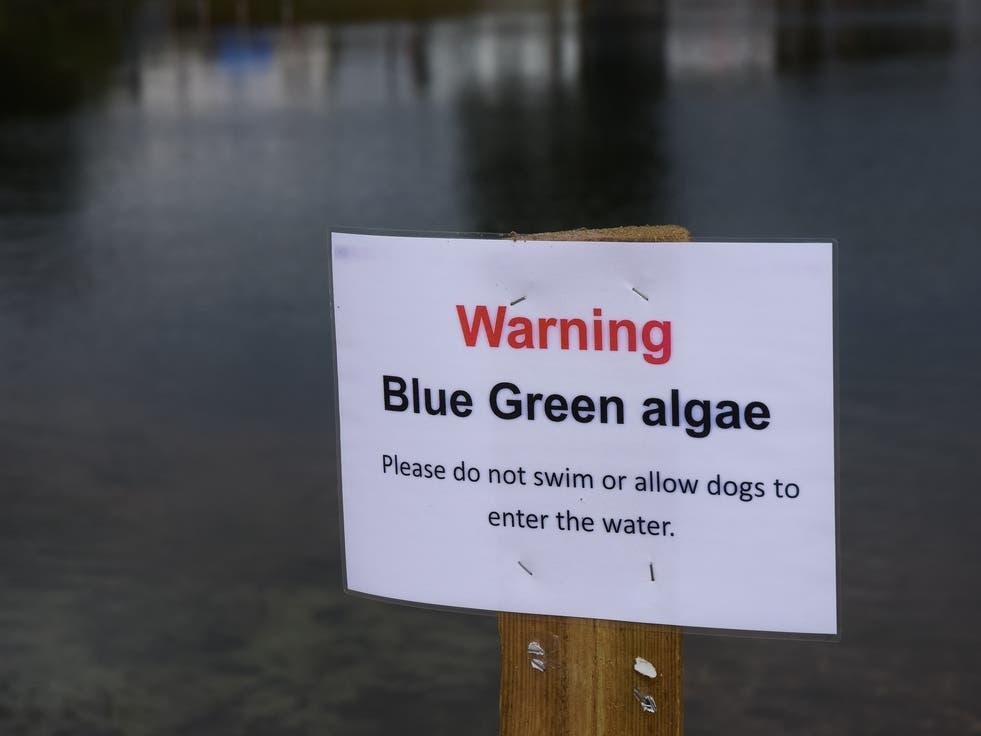
State officials are urging people to avoid contact with the waters in Sisson Pond and Lawton Valley Reservoir in Portsmouth due to toxic algae blooms.
The state Department of Health said Friday that the blue-green algae has been detected and the production of toxins by the bloom can harm people and animals.
Both bodies of water are drinking water supplies, so the public typically is not allowed to engage in recreational activities in either location.
Find out what's happening in Portsmouthfor free with the latest updates from Patch.
Newport’s drinking water supply is not at risk, the health department said.
“People should also be careful not to ingest water or eat fish from the pond. Pets can also be affected by exposure to the algal toxins and thus owners should not allow pets to drink this water or swim in the water,“ a Friday media release stated. “It is likely the advisory will remain in effect through November 1, 2015.”
Find out what's happening in Portsmouthfor free with the latest updates from Patch.
From the health department:
Irritation of the skin, nose, eyes, and or throat are common side effects that result from skin contact with water containing algal toxins. If water containing algal toxins is ingested, health effects include stomach ache, diarrhea, vomiting, and nausea. Young children and pets are more at-risk to algal toxins than adults, since they are more likely to drink contaminated water. Other health effects, which are rarer, include dizziness, headache, fever, liver damage, and nervous system damage. People who have been swimming in or otherwise in contact with Sisson Pond and Lawton Valley Reservoir in Portsmouth and experience those symptoms should contact their healthcare provider.
If you come into contact with the water, rinse your skin with clean water as soon as possible, and when you get home, take a shower and wash your clothes. Similarly, if your pet comes in contact with the water, immediately wash your pet off with clean water. Do not let the animal lick algae off of its fur. Call a veterinarian if your animal shows any symptoms of blue-green algae poisoning, which include loss of energy, loss of appetite, vomiting, diarrhea, or any unexplained sickness that occurs within a day or so after being in contact with water. People are cautioned that toxins may persist in the water after the blue-green algae bloom is no longer visible.
It is possible that blue-green algae blooms may be affecting other areas of Rhode Island. People are advised to avoid contact with waters that exhibit the following conditions: bright green coloration in the water or at the water surface and/or dense floating algal mats that form on the water’s surface. The water may look like green paint, thick pea soup, or green cottage cheese. To report suspected blue-green algae blooms, contact Brian Zalewsky in DEM’s Office of Water Resources at 222-4700 ext. 7145 or by e-mail at brian.zalewsky@dem.ri.gov and if possible, send a photograph of the reported algae bloom.
Get more local news delivered straight to your inbox. Sign up for free Patch newsletters and alerts.