Community Corner
Locally Transmitted Zika Virus Found In Southernmost Portion Of Texas
In light of first Texas-born case, health officials now plan to go door to door to educate the public about way of preventing infection.


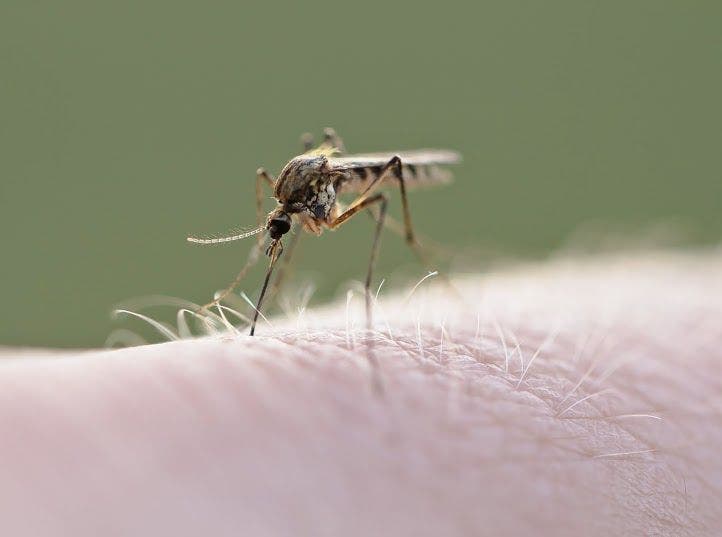
CAMERON COUNTY, TX — Officials in Cameron County said Monday the first locally acquired case of a Zika virus infection was found in Cameron County, highlighting the heightened risk of such infection.
Texas Department of State Health Services and Cameron County Department of Health and Human Services officials said the patient is a Cameron County woman who is not pregnant. Her infected status was confirmed last week by lab test, officials said.
The case was likely transmitted by a mosquito within Texas, health officials said. The afflicted woman reported no recent travel to Mexico or anywhere else outside the U.S. Laboratory testing found genetic material from the Zika virus in the patient’s urine, but a blood test was negative, indicating that the virus can no longer be spread from her by a mosquito, health officials said in a prepared statement.
Find out what's happening in Austinfor free with the latest updates from Patch.
There are no other cases of suspected local transmission at this time, but health officials continue to conduct disease surveillance activities as part of the state's ongoing Zika response, officials noted.
“We knew it was only a matter of time before we saw a Zika case spread by a mosquito in Texas,” said Dr. John Hellerstedt, DSHS commissioner. “We still don’t believe the virus will become widespread in Texas, but there could be more cases, so people need to protect themselves from mosquito bites, especially in parts of the state that stay relatively warm in the fall and winter.”
Cameron County, DSHS and the Centers for Disease Control and Prevention are working together to investigate and respond to the case, officials said. Further investigation will be necessary to attempt to pinpoint how and where the infection occurred, and health officials are also responding in a number of other ways. DSHS has activated the State Medical Operations Center to support the response and is providing expertise, personnel and equipment for activities from disease investigation to mosquito surveillance to public education, officials added.
Find out what's happening in Austinfor free with the latest updates from Patch.
DSHS personnel, Cameron County and the City of Brownsville personnel have conducted an environmental assessment at the patient’s home and have been trapping and testing mosquitoes to learn more about activity in the area, health officials said. Brownsville has recently sprayed for mosquitoes in the area and will continue to take action to reduce the mosquito population, officials added.
In light of the Zika virus confirmation, health workers from Cameron County and DSHS will be going door to door in the area around where the case lived beginning Monday evening to educate the public about Zika, help people reduce potential mosquito breeding habitat on their property, and collect voluntary urine samples to determine whether other infections are present, according to health officials. Collected samples will be tested at the DSHS lab in Austin, officials said.
The DSHS regional office in Harlingen has delivered laboratory supplies, boxes of educational materials and mosquito traps to Cameron County and will continue to assist in the response, according to health officials. Additionally, state and local public health has been in communication with CDC, which is providing additional assistance and expertise, officials added.
Health officials noted that travel back-and-forth across the border is a way of life in the Valley, and news reports from Mexico indicate Zika transmission by mosquitoes in multiple communities on the Mexican side of the border. Due to the risk of birth defects associated with Zika, pregnant women should avoid traveling to Mexico and should avoid sexual contact or use condoms with partners who have traveled there. Other precautions include:
- Using EPA-approved insect repellent.
- Wearing long pants and long-sleeved shirts that cover exposed skin.
- Using air conditioning or window and door screens that are in good repair to keep mosquitoes out of homes.
- Removing standing water in and around homes, including water in trash cans, toys, tires, flower pots and any other container that can hold water.
According to health officials, Zika virus is transmitted to people primarily through the bite of an infected mosquito, though sexual transmission can occur. The four most common symptoms are fever, itchy rash, joint pain and eye redness. While symptoms are usually minor, Zika can also cause severe birth defects, including microcephaly, and other poor birth outcomes in some women infected during pregnancy.
DSHS officials ask health care providers to consider Zika virus infection in their patients and order the appropriate testing. DSHS recommends testing all pregnant women who have traveled to areas with active Zika transmission during their pregnancy. DSHS also recommends testing pregnant women who have two or more of the typical Zika symptoms in Cameron, Hidalgo, Starr, Webb, Willacy or Zapata counties without travel history, and anyone with at least three symptoms statewide. Providers can find additional information by clicking here.
Through last week, Texas has had 257 confirmed cases of Zika virus disease, health officials. Until now, all cases had been associated with travel, including two infants born to women who had traveled during their pregnancy and two people who had sexual contact with infected travelers. Additional information on cases and for the public is available at www.texaszika.org.
>>> Image via Shutterstock
Get more local news delivered straight to your inbox. Sign up for free Patch newsletters and alerts.