Business & Tech
National Railway Strike Blocked Ahead Of Holidays: What It Means In VA
Demanding schedules and job cuts brought the threat of a U.S. railway strike, but a Senate deal is on its way to Biden. What it means in VA.


VIRGINIA — After some of the largest railroad unions last week rejected a deal brokered by President Joe Biden in September, putting the country again on course for a national freight strike that could disrupt commuter rail service and paralyze parts of Virginia’s economy ahead of the holidays, the U.S. Senate has stepped in.
The Senate on Thursday voted 80-15 to pass a bill binding rail companies and workers to a proposed settlement that was reached between the railroads and union leaders. That settlement had been rejected by some of the 12 unions involved, creating the possibility of a strike beginning Dec. 9.
The Senate vote came one day after the House voted to impose the agreement. The measure now goes to President Joe Biden's desk for his signature, expected by the weekend. Biden defended the contract that four of the unions had rejected, noting the wage increases it contains.
Find out what's happening in Across Virginiafor free with the latest updates from Patch.
Critics say the contract that did not receive backing from enough union members lacked sufficient levels of paid leave for rail workers. Biden said he wants paid leave for "everybody" so that it wouldn't have to be negotiated in employment contracts, but Republican lawmakers have blocked measures to require time off work for medical and family reasons.
The union representing about 28,000 railway conductors — SMART Transportation Division — said its members voted down the deal that includes 24 percent raises by a thin, 50.9 percent margin.
Find out what's happening in Across Virginiafor free with the latest updates from Patch.
The Brotherhood of Locomotive Engineers and Trainmen, which represents 29,000 people, said last week that 53.5 percent of its members had voted to ratify the deal offered by the coalition of the nation's biggest freight railroads, including Union Pacific, CSX, Norfolk Southern, BNSF and Kansas City Southern.
In rejecting the contract, the conductors’ union said it failed to address demanding schedules and quality of life issues of employees. Seven smaller unions have approved the contract, which on top of the 24 percent pay bump, includes a $5,000 bonus.
A strike would have halted shipments of food and fuel at a cost of $2 billion a day, according to a report earlier this year by the Association of American Railroads, an industry trade group. Supply chain issues are easing, but likely would become tangled again by a strike, according to the report.
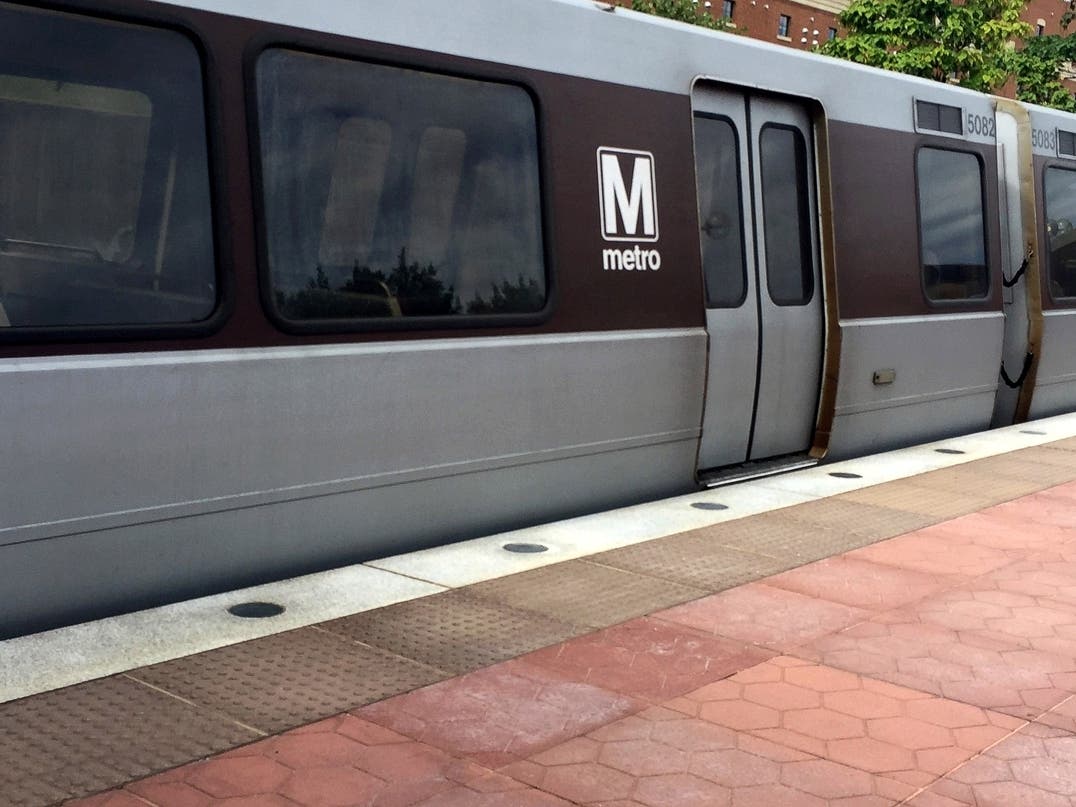
Virginia Railway Express operations staff would not be part of a labor strike, the agency said in September. But the commuter rail uses CSX- and Norfolk Southern-owned tracks to operate its trains. Without any dispatchers, the tracks would be shut down and VRE would suspend operations, InsideNoVa reported when strike worries first surfaced.
“Any labor strike would result in the immediate suspension of all VRE train service until a resolution is reached,” VRE said two months ago.
While Amtrak's service north of D.C. along the Northeast Corridor would likely not be affected by a strike, the passenger railroad said “a small number” of Northeast Regional departures to the south could be affected.
Amtrak owns most of the tracks that it uses in the Northeast Corridor, WTOP said. The passenger railway company previously said routes between Boston, New York and Washington, D.C., would see “no impact.”
Frustrated workers pushed to reject these contracts because they don't resolve workers’ key quality-of-life concerns. The deals for the engineers and conductors did include a promise to try to improve the scheduling of regular days off and negotiate the details of those schedules further at each railroad.
The unions that represent engineers and conductors also received three unpaid days off a year to tend to medical needs as long as they were scheduled at least 30 days in advance.
The railroads also lost out on their bid to cut crew sizes down to one person as part of the negotiations. But the conductors in the Transportation Division of the International Association of Sheet Metal, Air, Rail and Transportation Workers union still narrowly rejected the deal.
The railroads maintain that the deals with the unions should closely follow the recommendations made this summer by a special panel of arbitrators Biden appointed. That's part of the reason why they don't want to offer paid sick time. Plus, the railroads say the unions have agreed over the years to forgo paid sick time in favor of higher pay and strong short-term disability benefits.
The unions say it is long overdue for the railroads to offer paid sick time to workers, and the pandemic highlighted the need for it.
The Associated Press contributed reporting.
Get more local news delivered straight to your inbox. Sign up for free Patch newsletters and alerts.