Community Corner
Muskego's Big Lake: A History Book of the City
While the skiing and recreational boating seem to grab the headlines for its little neighbor to the north, Big Muskego is a unique treat with historic tales to tell.


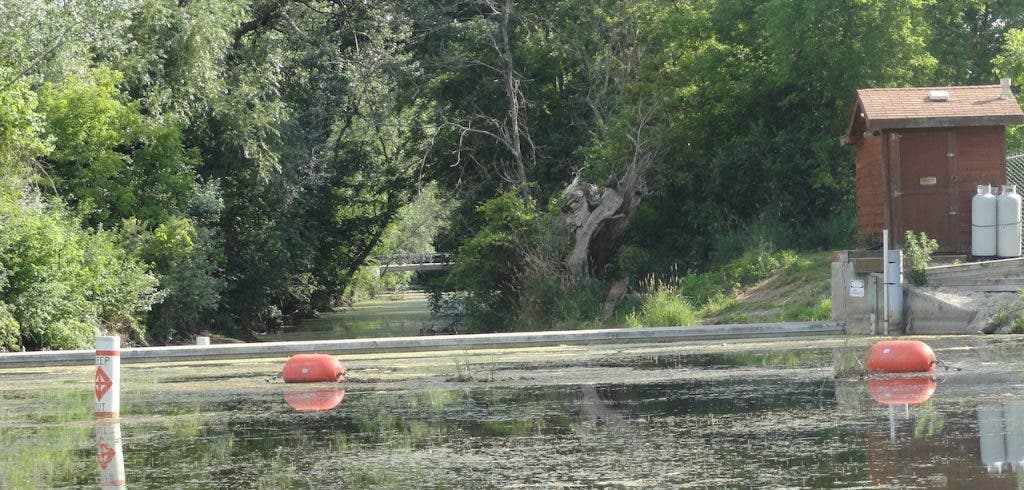

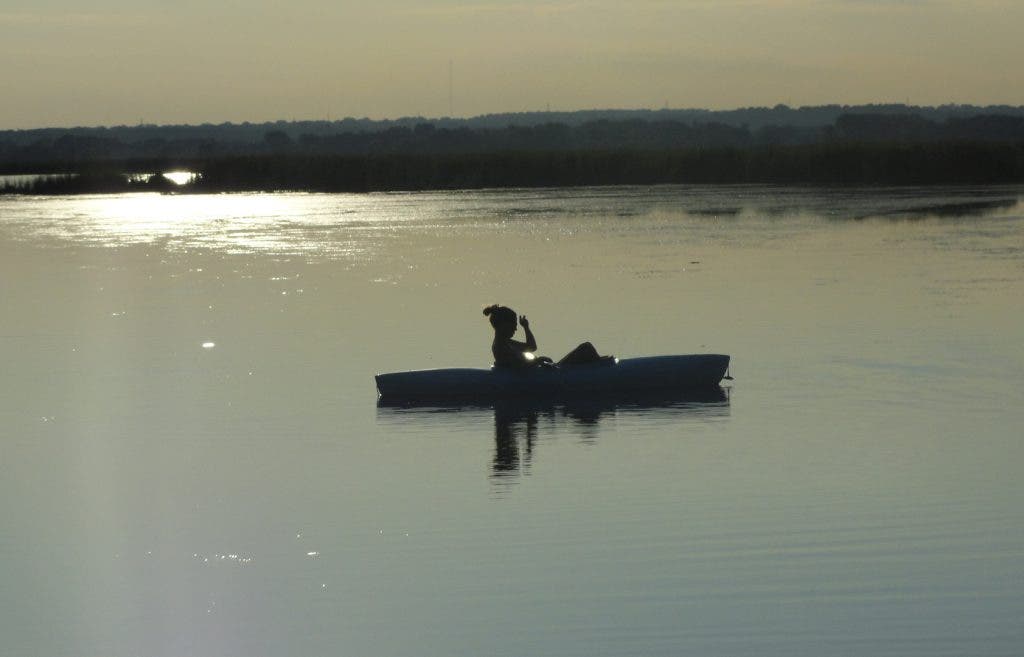

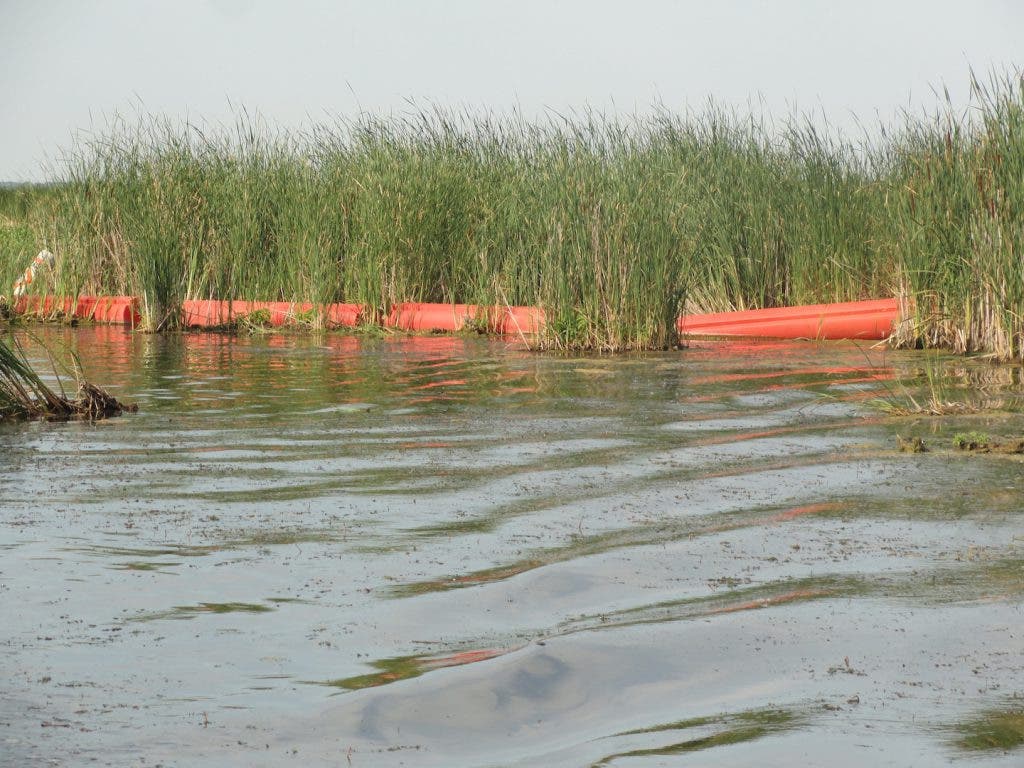


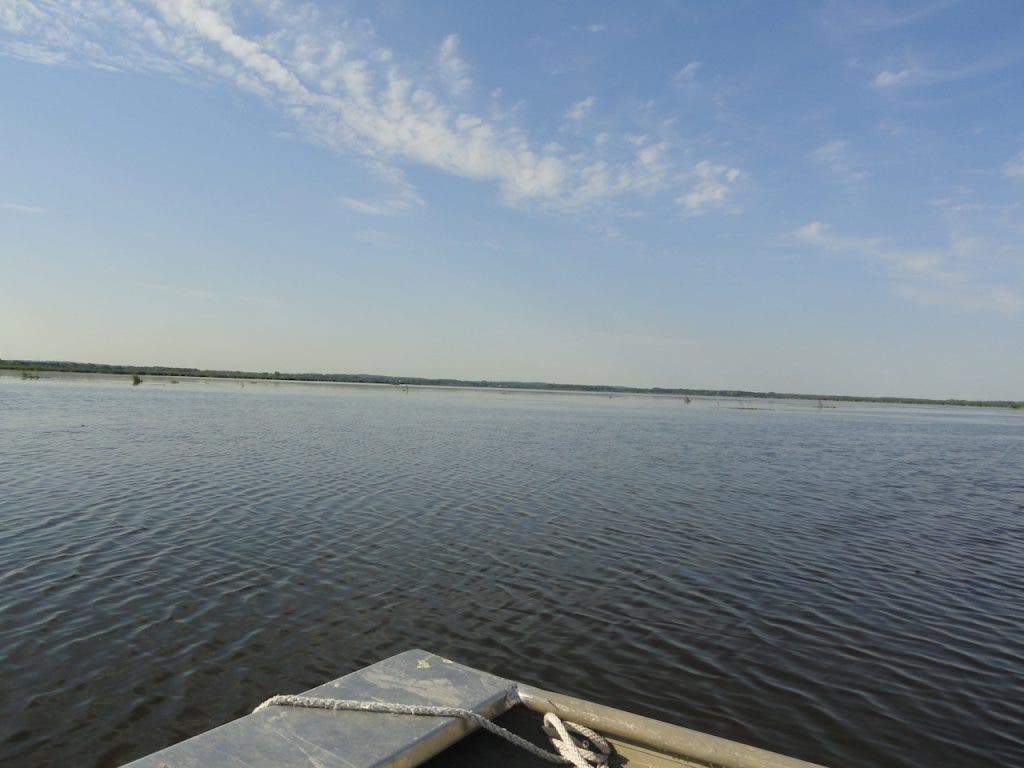


This is the first in a series of articles of our tour on Muskego's least-understood lake. Not easy to see from any vantage point on land, its secrets are revealed only when you meet it face to face.
There is just no way to waste time on the lake - it's always well spent.
Taking a recent tour with Conservation Coordinator Tom Zagar and Deputy Commissioner of the Big Muskego Lake Rehabilitation District Greg Burmeister, there is much to learn as well.
Find out what's happening in Muskegofor free with the latest updates from Patch.
The 2,200 acres that comprise the area (a fair portion of it comprised of cattails) has much to show off. From an eagles' nest, which is growing every year and has Zagar worried that its weight will cause it to collapse in the dead tree it's perched in, to the more subtle amusements of minnows skittering over the water to escape the boat's wake, it simply is an amazing place of beauty.
Long known in the late 1960s and 1970s as a lake in decline, massive restoration efforts, including the dredging of Bass Bay on its north side and a carp kill that exceeded original estimate, the result is a pristine lake with a history that begins with the glaciers.
Find out what's happening in Muskegofor free with the latest updates from Patch.
Burmeister explained that Bass Bay was formed by a huge glacial ice block carving into the earth, and as the ice melted, formed an 'outwash plain' that formed the more shallow body of water. Early settlers attempted to drain the lake for agriculture, but were stopped after laws were enacted to prevent lake lands from being taken over and claimed for farming.
The waters that flowed back into the lake in the late 1800s left several feet less for the overall depth of the lake, which in some areas is as shallow as 8-12 inches. The dredging of Bass Bay deepened that outlet to about 25 feet.
Geographically, its waters come in from the north through Little Muskego Lake and Pilak Creek, and flow south to Wind Lake, eventually spilling into the Fox, Illinois and eventually Mississippi Rivers to empty into the Gulf of Mexico. It rests on the western side of a subcontinental divide (the Illinois Fox watershed) running north and south in Waukesha county. The city itself is split by this subcontinental divide, with the border running just to the west of Durham Drive before veering east (just south of McShane Drive). As Zagar joked, "depending on where you spill your coffee in Muskego, it may flow to the Gulf or end up in the Atlantic."
Access to the lake is most wisely through a shallow-bottom boat with a 'mud motor' to avoid bottoming out, or kayaks. The lake's structure makes it more of a deep-water marsh, and the restoration in 1996 further encouraged the proliferation of shore birds and waterfowl, many of which are listed as endangered.
The restoration was so successful that anglers were "catching a lot of legals" by 1998.
Trolling the lake may sound relaxing, but beware: many a boater has gotten lost trying to find the channel they came in on. In fact the marsh plants thickly line the shore, and the boat launches on the lake are on channels that tend to hide themselves when you're on the open water.
That may be the point, as it's tough to feel connected with anything but the water and wildlife once you're on the lake. Distant power lines offer some landmarks and perhaps the only sign of civilization.
Recently the floods of last summer had dislodged massive cattail bogs, one as large as three acres, causing the district to draw the lake down to encourage rooting so the structures wouldn't block the dam on the south end, or the channels around the lake. One formation of more than 15 acres was split by the rise in water, which created a channel through the middle of it that Burmeister called the "crack of doom."
However, Zagar said the newly exposed bottom probably hasn't see the light of day for hundreds of years, and he's curious to know if they will find any prehistoric remains.
"We know there were pleisticene beavers that were nearly as large as bears, which is possible were preserved in the silt, which is anaerobic and therefore is favorable to keeping the remains in tact," he explained.
The idea isn't far-fetched. When "Caesar's Dam" on the south side of the lake was constructed, a basswood canoe that historians also say was preserved by the sterile environment below was exhumed from the muck. Jerry Hulbert with the historical society said the canoe was probably from the Potawatomi tribes, predating the earliest settlers by hundreds of years.
As to the cleanliness of the lake, it's time to dispel some myths. While some areas contain loose silt, as much as 15 feet, other areas have a compact sand and gravel bottom. Regardless, the water quality is clear and clean, which have encouraged sight-feeding fish, and the raptors overhead that feed on them.
While swimming and skiing may not be on Big Muskego's dance card, its beauty is nonetheless alluring and it has the history to prove it.
Get more local news delivered straight to your inbox. Sign up for free Patch newsletters and alerts.