Community Corner
Taking the Fight Against Breast Cancer to Capitol Hill
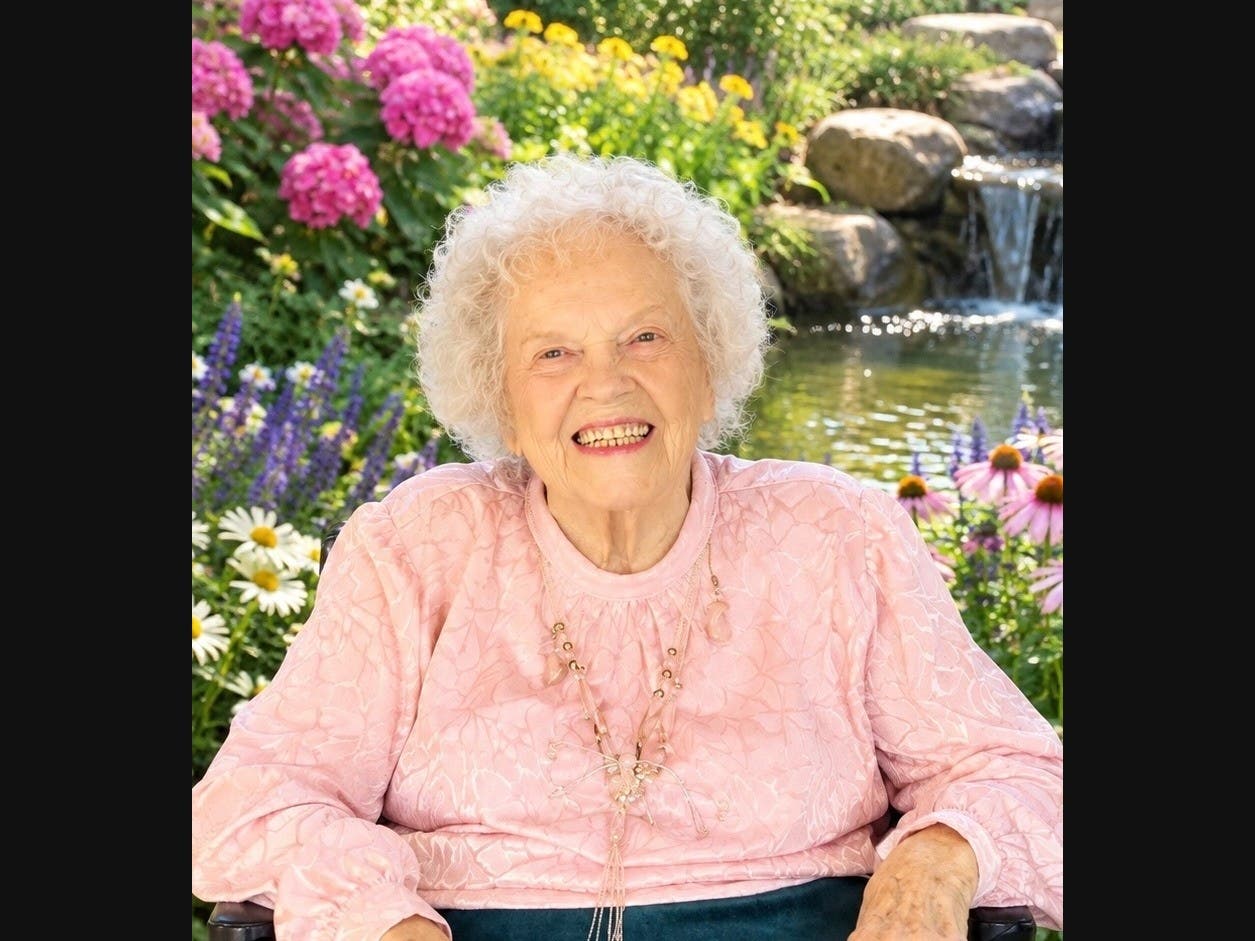
Dawn Anderson has been on the front lines of the fight against breast cancer, not in the doctor's office, but in local and national legislative chambers for the past 18 years.


As it has for so many others, breast cancer has touched the lives of those in Dawn Anderson's family. Her mother and grandmother have been forced to battle breast cancer.
It's also touched those in Anderson's extended family—the thousands of woman across Wisconsin she advocates for as executive director of the Wisconsin Breast Cancer Coalition.
"I’ve just met hundreds and hundreds of women with breast cancer and have become very good friends with a number of them, and lost way too many of them," she said.
Find out what's happening in Shorewoodfor free with the latest updates from Patch.
"With every year that goes by, I lose someone new, and it just refuels it all for me. It makes you say, ‘OK, we are nowhere close to done.' We need to do something differently and do more than what we’ve been doing.”
Anderson has been fighting breast cancer, not in the doctor's office, but in the local and national legislative chambers for 18 years. She joined the WBCC in 1994—the year of its inception.
Find out what's happening in Shorewoodfor free with the latest updates from Patch.
That year, a group of woman became alarmed at the perceived prevalence of breast cancer in the North Shore, she explained.
“They believed there was a higher incidence in this area,” Anderson said.
Anderson, a Shorewood resident and former village trustee, said the group connected with their legislator at the time, Sheldon Wasserman, and he found a way to have state money set aside to perform a study on the area.
“Is there a higher incidence rate here, and indeed there was,” she said.
The researcher who headed up the study branched out with more studies indentifying more hot spots around the state.
Anderson said that’s how the organization’s niche was born—educating and lobbying legislators to craft policy, which will benefit women in the state.
“When we talk about education, we’re not talking about teaching people about mammograms, we educate legislators about the science of breast cancer and the reality of the impact on women’s lives and policy touches every aspect of insurance, survivorship issues, access to care,” she said.
“We train and educate advocates to go with us to Washington and hold town hall meetings, how to have these dialogues and build relationships with their legislator’s staff.”
Headquartered in Whitefish Bay, the WBCC is a statewide organization that seeks to influence public policy and legislation as it relates to breast cancer. While there are many cancer organizations big and small around the state, Anderson said the WBCC is the only one diving into policy.
“We’re out there testifying in Madison about access to screenings for uninsured woman, who else is doing that?” she asked.
The WBCC have key volunteers in every Wisconsin congressional district except for the 7th.
Worthwhile work
Anderson started out volunteering with the American Cancer Society, but soon found herself being recruited by a woman starting a new coalition.
She began to start volunteering with the WBCC in its first year of inception, and did so for 12 years under several different roles including state policy chairperson and board president. She took over as executive director in 2006.
“This is what I love about it, we are a grassroots organization,” she said. “We are a bunch of volunteers. We rely on volunteers to do nearly everything.”
She said once she decides to retire, she’ll continue to volunteer.
Anderson said the group was proud they were able to get a donation box added to the state income tax forms several years ago — creating the Wisconsin Breast Cancer Research Fund.
About $1.6 million was raised and given to two local hospitals to conduct new research—to explore new ideas. Unfortunately, the Legislature voted to lump the donation box into a general category this past session.
But, there are many exciting projects ahead, she said.
Anderson said the WBCC is on board of directors for the National Breast Cancer Coalition. She's really excited about the NBCC’s campaign to end breast cancer by 2020, launched a couple years ago.
“It captured the public’s imagination,” she said. “What if we could do this? What if we could really end breast cancer by 2020?”
She said it’s focused on the two things that can truly save lives: primary prevention and finding ways to prevent breast cancer from spreading through the body.
On that front, she said there might be a breast cancer vaccine ready for clinical trials soon.
Shifting the focus
The mortality rates related to breast cancer are not improving fast enough.
“When you’re sending billions and billions of dollars on research every year, a 2 percent reduction isn’t enough," Anderson continued.
She said the federal government is the largest funder of breast cancer research, but only 9 percent of that funding is allocated to prevention research.
Leveraging what we already know about breast cancer treatments and spending the money the government is already spending more effectively is the key.
Anderson said there is a heavy focus on treatments, which typically extend a patient’s life about six weeks, at a huge financial cost. A new piece of legislation attached to the way breast cancer research is looked at is getting good bipartisan support.
WBCC is also working on the national Breast Cancer and the Environmental Research Program, looking at possible environmental causes of breast cancer. The University of Wisconsin in Madison received a grant to look at the “windows of exposure.”
“It looks at those windows of exposure where it seems like a woman is more likely to incur damage that will later show up as breast cancer in her life,” she said. “They’re looking at pre-puberty, late teens, post pregnancy and menopause, those kind of distinct windows.”
She said if you can identify those windows, you’d know when to have interventions. The WBCC is a community partner with UW-Madison on the project.
Whoever is elected come November to the White House will receive 290,000 petition signatures imploring them to make ending breast cancer a priority and work with coalitions on a strategic plan.
Get more local news delivered straight to your inbox. Sign up for free Patch newsletters and alerts.