Health & Fitness
West Nile Virus Cases Grow In Active Mosquito Year: What To Know In AL
Alabama is among 40 states where public health officials have reported cases of the mosquito-borne illness.


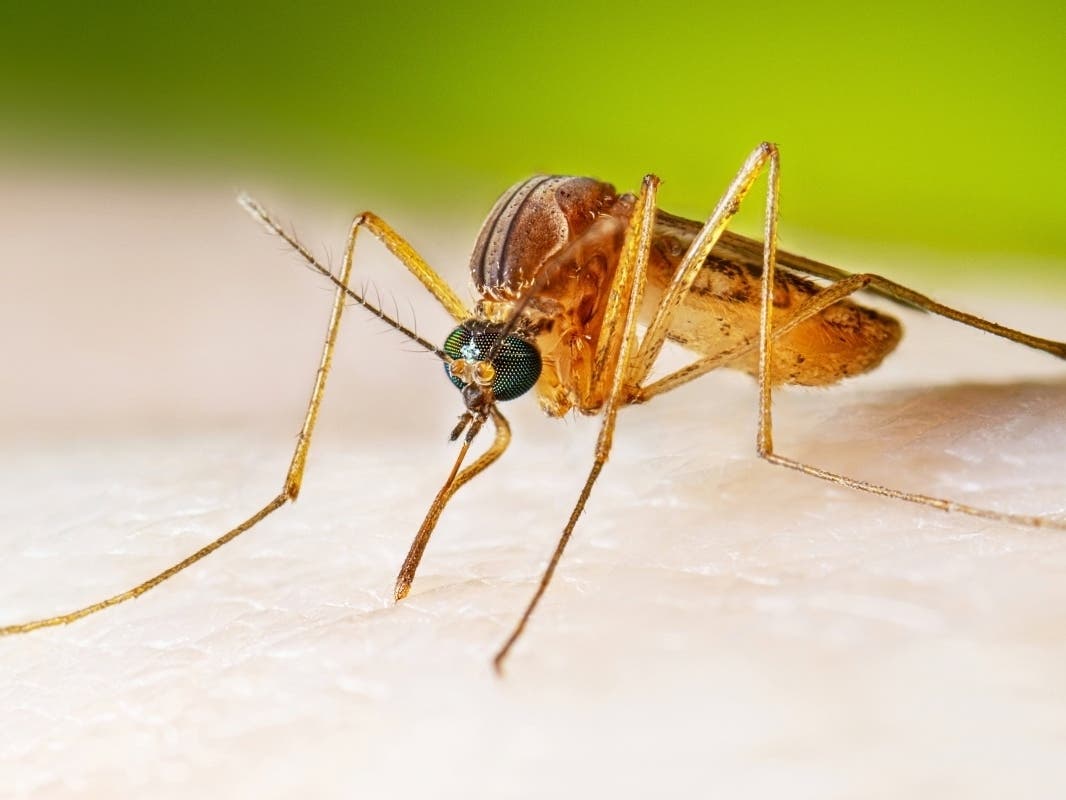
TUSCALOOSA, AL — West Nile virus rates are higher than they’ve been in more than two decades, and Alabama is among 40 where public health officials have reported cases of the mosquito-borne illness.
The Centers for Disease Control and Prevention reports 407 West Nile virus cases in its latest report that shows six cases in Alabama.
Jefferson County is currently reporting the most local cases in the state, with three as of the publication of this story, while cases were also logged in Covington, Hale and Marion counties.
Find out what's happening in Across Alabamafor free with the latest updates from Patch.
West Nile virus is rarely fatal, but it can cause meningitis or encephalitis, a severe, life-threatening brain inflammation, in a small fraction of cases.
Health officials are also tracking Eastern equine encephalitis, or EEE, a rare but deadlier mosquito-borne virus, that affects both humans and horses.
Find out what's happening in Across Alabamafor free with the latest updates from Patch.
EEE in humans is extremely rare, according to the CDC, but human cases have already been reported this summer in Massachusetts and Michigan.
Also, a horse in Michigan was euthanized after testing positive for EEE, and another equine case was confirmed in Georgia.
West Nile virus is transmitted primarily by Culex mosquitoes. Eastern equine encephalitis (EEE) virus circulates between birds and Culiseta melanura mosquitoes in swamps, spreading to humans and horses via other mosquito species.
A Big Year For Mosquitoes
2026 has been a big year for mosquitoes and the diseases they carry. By the end of June, the United States had recorded its earliest start to the West Nile virus season and the most cases by that point since 2004.
Weather conditions have been ideal for mosquito populations.
June was unusually wet across parts of the South, Midwest and Great Lakes, with Kansas, Illinois, Indiana and Kentucky recording one of their 10 wettest Junes, according to NOAA. Rain fills storm drains, ditches, birdbaths and other places where mosquitoes lay eggs, and some mosquitoes can develop from egg to adult in seven to 10 days, according to the CDC.
A “heat dome” made conditions even more ideal for mosquitoes. July was the warmest month recorded in the contiguous United States since recordkeeping began in 1895, with every state warmer than its 20th-century average, NOAA reported. Warm weather can speed mosquito development, increase biting, and shorten the time West Nile virus needs to become transmissible inside a mosquito.
Warm weather can extend the season. A recent Stanford University analysis of 239 U.S. cities found that 95 percent now average more days warm enough for Culex mosquitoes to transmit West Nile than they did in the early 1970s.
The mosquito season doesn’t wind down until the first hard frost. In Alabama, that’s typically around early November, according to The Old Farmer’s Almanac.
How To Control Mosquitoes
Neither the West Nile nor EEE virus has a human vaccine or antiviral treatment, making prevention the only real defense.
The cheapest and most environmentally friendly mosquito control is to make the back yard a lousy nursery. Weekly, empty and scrub birdbaths, flowerpot saucers, toys, buckets and pet bowls; clear gutters; turn over kiddie pools; and cover rain barrels. Mosquito eggs cling to containers, so dumping the water alone may not work.
Mosquitoes rest in cool, damp vegetation. Mow overgrown areas and thin shrubs, and use a fan on the patio; mosquitoes are weak fliers. Screens provide another chemical-free barrier.
Treat water that cannot be drained or covered with a larvicide. Products containing Bacillus thuringiensis israelensis, or Bti, kill larvae while posing little risk to people, pets and most wildlife when used as directed. The EPA recommends targeting mosquitoes at the larval stage, before they take flight.
If mosquitoes remain thick, the CDC advises using an EPA-registered outdoor insecticide where mosquitoes rest, such as beneath decks, shrubs and patio furniture. Follow the label, avoid wind and rain, and keep chemicals away from people, pets, food and water.
Broad spraying can kill bees, butterflies and other beneficial insects, and some insecticides are toxic to fish. Automatic misting systems have not been studied sufficiently to prove they control mosquitoes or prevent disease, the EPA says.
Bug zappers kill harmless insects but few mosquitoes. Citronella candles and repellent plants offer limited protection. For the best results, remove water, treat unavoidable breeding sites and use insecticides sparingly.
Have a news tip or suggestion on how I can improve Tuscaloosa Patch? Maybe you're interested in having your business become one of the latest sponsors for Tuscaloosa Patch? Email all inquiries to me at ryan.phillips@patch.com.
Get more local news delivered straight to your inbox. Sign up for free Patch newsletters and alerts.