Home & Garden
How to Time Your Home Sale for Maximum Value
List too early or too late and you leave money on the table. Here's the timing playbook every home seller needs to know.


When you are selling a home, timing is very important. Being able to sell your house for a good price means knowing the best time of year to list, current market conditions and trends, and what your own goals and schedule look like. Here are some of the main factors to consider when creating your timetable.
Understand What “Maximum Value
Really Means
Several factors determine the maximum value.
- A selling price in line with current market conditions.
- Strong terms. Fewer contingencies, such as repair demands.
- Low risk. A better chance that the deal will close smoothly.
- Your net proceeds after concessions, repairs, staging, and carrying costs.
Seasons Matter
Real estate usually follows a seasonal pattern.
Find out what's happening in Mobilefor free with the latest updates from Patch.
Spring
Spring often brings the strongest demand. More buyers are actively searching, families want to move before school starts, and homes tend to show well with better lighting and landscaping. This is when competition among buyers can be highest.
Summer
Buyer demand often continues, but vacations can slow scheduling. Inventory sometimes increases too, which can mean more competition among sellers.
Find out what's happening in Mobilefor free with the latest updates from Patch.
Fall
This is when you see more serious buyers. Another thing that can happen is that supply falls faster than demand, which gives the seller the upper hand in pricing.
Winter
In winter, the market is typically slower, so there is less competition. Depending on where you live, this may not apply as much if you don’t have much variation in the seasons. There will generally be fewer buyers, but many of those who do appear will be highly motivated to find something.
Winter
In winter, the market is typically slower, so there is less competition. Depending on where you live, this may not apply as much if you don’t have much variation in the seasons. There will generally be fewer buyers, but many of those who do appear will be highly motivated to find something.
Watch Local Supply and Demand, Not Just National Headlines
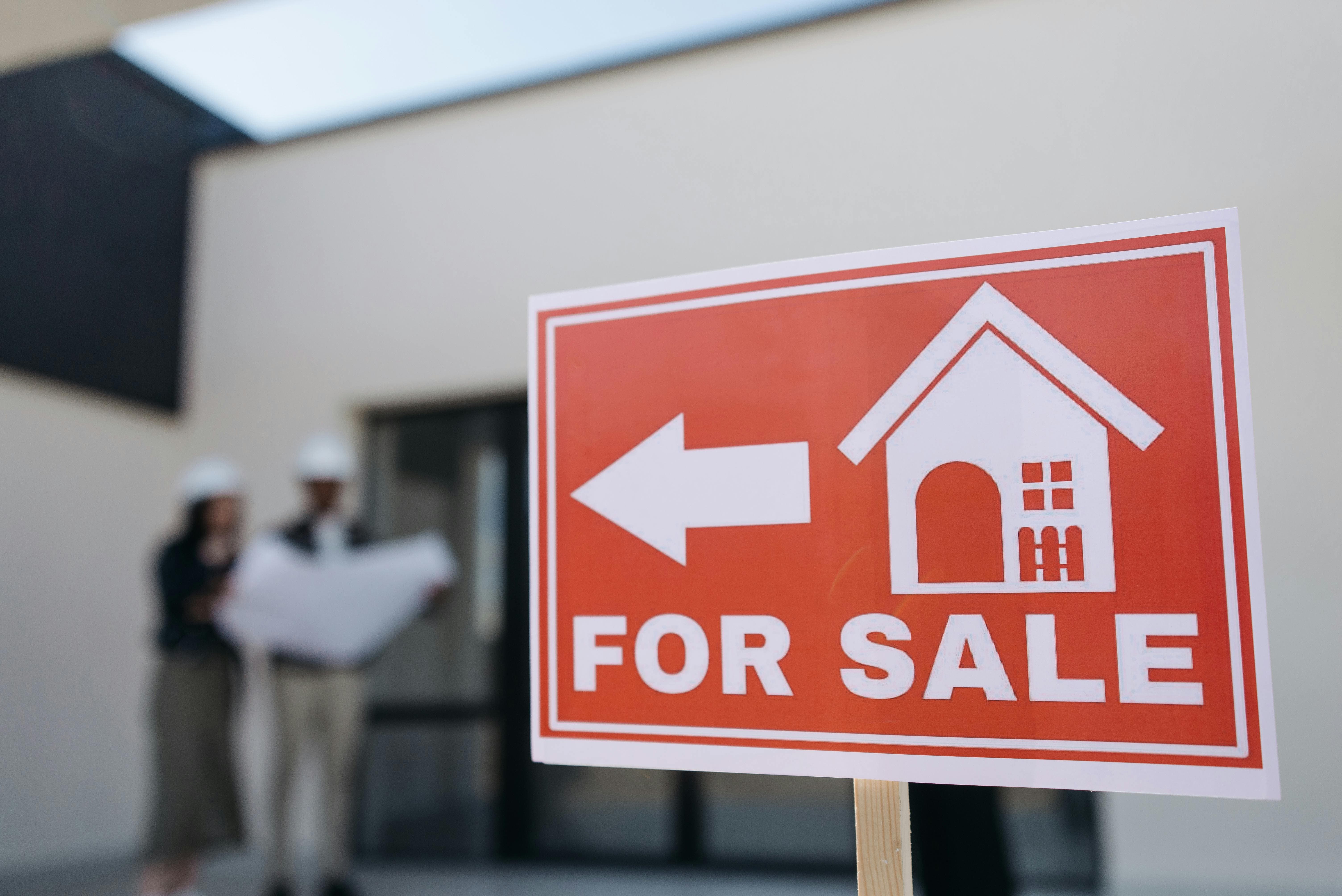
Real estate news tends to focus on national trends, but this doesn’t always give you a good picture of what is happening nearby. Your sale price is determined by the conditions within a few miles of your home, and sometimes within a few blocks.
Interest Rates
One national metric that influences markets everywhere is interest rates. Even small changes in mortgage rates can meaningfully change what buyers can afford to pay monthly.
This relates to both affordability and buyers’ confidence. When rates rise quickly, buyers often pause. When rates stabilize, there’s often more activity. Even rumors of future interest rate changes can have an impact.
Key Factors that Affect Value
Your house should be listed when it has the best chance to showcase its finest qualities. Consider the following.
- Does your lawn and landscaping look as good as possible?
- Does your house need decluttering, painting, or light fixture updates?
- Does your schedule allow you to consistently keep the house in show-ready condition at all times?
If you list before you’re ready, you risk lower offers and a longer time on the market. It's better to delay the launch by a few weeks to launch strongly than to list too soon. Another thing to consider is that the first 7 to 14 days are often the most important, as a new listing can attract extra attention. The longer a property is listed, the more likely it is to be viewed as “stale.”
Know the Hidden Cost of Waiting
Although you want to list at the optimal time, there are risks of waiting too long. Sellers sometimes hold off waiting for the housing market to improve. That can work, but it can also end up costing you money. Consider what it costs you each month to hold the home. This can include:
- Mortgage interest.
- Taxes and insurance.
- Utilities and maintenance.
- HOA dues.
- Opportunity cost (what you could do with the equity).
If waiting a few months lets you gain an extra $10,000 but costs you $5,000, is it worth it? There’s no one right answer. But keep in mind that there’s no guarantee conditions will improve in the coming months.
Work Backward From Your “Selling Window”
Once you have a target listing month, ou can start to plan prep and pricing. A common timeline might look like this:
- 6-8 weeks before listing: agent walk-through, market analysis, prioritize improvements, schedule service providers.
- 3-4 weeks before listing: repairs are done, painting, lighting, landscaping, and decluttering. Improvements are made.
- 1-2 weeks before listing: deep clean, staging touches, photography, and finalize pricing.
- Listing week: provide easy access to showings, communicate promptly.
Flexibility is an Advantage
Your schedule affects your leverage. If you need to sell quickly because of a job relocation, a purchase deadline, or a major life change, buyers can sense the urgency and negotiate harder. If you have flexibility, you can:
- Choose the optimal season.
- Reject low offers.
- Counter more aggressively.
- Require cleaner terms.
If you don’t have any flexibility in your schedule, you still have options to protect your price by preparing well, pricing properly, and maximizing exposure.
What to Ask a Real Estate Agent
Here are some questions to ask your agent that may help narrow down the best time frame to sell your home.
- “What’s a realistic price for a home like mine in this neighborhood?”
- “How many months of inventory (MOI) are in my price range?”
- “How many competing listings would I have if I listed this month vs. next month?”
- “What improvements would most impact my sale price?”
- “What’s your plan to generate strong activity in the first couple of weeks?”
A good agent will give you data-backed answers, not just general advice.
Optimize Timing, But Don’t Try to Time the Market Perfectly

Optimal timing to maximize the value of your home sale does not mean predicting the exact time the market will hit its peak. Trying to time the market can lead to putting off your sale indefinitely. You should, however, put yourself in a favorable position by listing when there are many prospective buyers, competition is relatively low, and your property stands out.
Selling your home for maximum value comes down to sellers focusing on these factors:
- Please place the listing during the optimal season, which is usually spring or summer.
- Conduct neighborhood-level comps to find out what similar properties are selling for.
- Make sure the house is in the best possible condition for viewing.
- Price for momentum, not wishful thinking.