Business & Tech
Decorative Rock vs. Mulch: What Works Best in Arizona?
Desert landscaping in Arizona is affected by some inescapable realities.

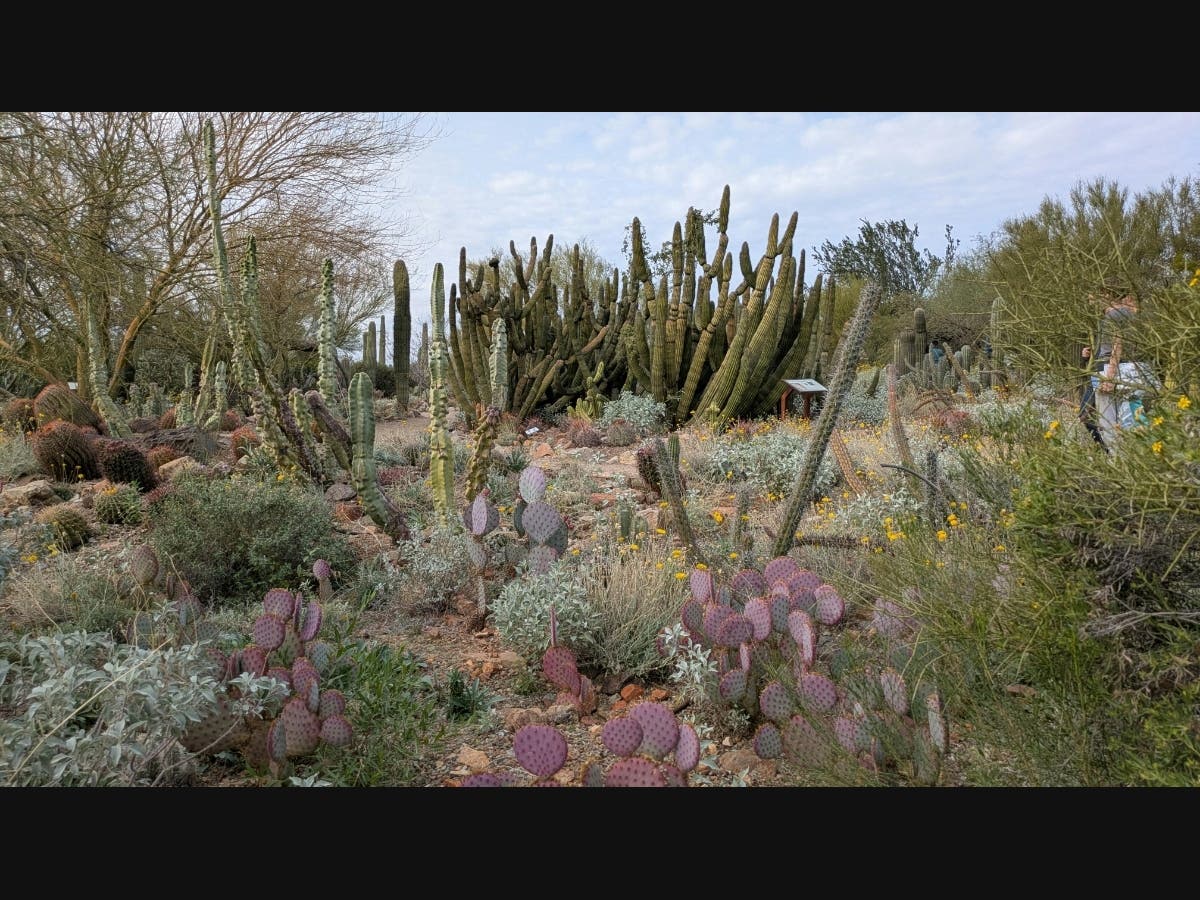
Desert landscaping in Arizona is affected by some inescapable realities. The Southwest climate, characterized by very hot summer days and limited moisture, results in yards experiencing extreme UV exposure and very high temperatures for extended periods, with long droughts followed by violent monsoon rain events.
For homeowners and commercial managers, there are often two major options to consider for ground cover. These are mulch and decorative rock.
Dealing With Heat and Aridity
You might think about different reasons to consider using either organic mulch or decorative rocks in Arizona. Still, your reasoning might not hold up when you look at the reality of Arizona’s climate. For example, while mulch is known to help retain moisture, this doesn’t really come into play in dry urban areas like Phoenix, Tucson, and Yuma because UV rays quickly cause organic mulch to decay and dry out.
Find out what's happening in Across Arizonafor free with the latest updates from Patch.
Pros and Cons of Wood Mulch
Organic mulch, typically made from chipped or shredded wood, is the traditional choice for gardens in the Midwest and the East Coast. In Arizona, its role is more specialized.
Pros
- Promotes Soil Health. Mulch insulates the soil and keeps plant roots cool. When the mulch breaks down, it adds necessary organic materials back into the soil.
- Weed management. By blocking sunlight, it suppresses weed growth.
- Provides an earthy, natural look that many people like.
Cons
- Requires maintenance. Sun exposure “cooks” mulch, causing it to fade to a dusty gray. It can also be blown away by strong winds and washed away by heavy rains. Regularly topping it off is necessary to maintain its aesthetic appearance.
- Pest attraction. Organic mulch is an attractive habitat for termites, crickets, and even scorpions, which can use it to access moisture. In a region where termites are a perennial concern, you might not want to set up a landscape that draws them.
- Flammabie. Organic mulch burns easily, making it a risky choice in a dry area like Arizona.
Pros and Cons of Decorative Rock
Many homes and businesses now choose decorative rock as an alternative to mulch.
Find out what's happening in Across Arizonafor free with the latest updates from Patch.
Pros
- Durability. In contrast to mulch that deteriorates quickly and requires frequent replacement, decorative rock is a very durable element for landscape design.
- Protects against erosion. Heavy rain can wash mulch away after a storm. Decorative rocks are heavy enough to withstand rain, thus protecting the property from erosion and drainage issues.
- Fire-resistant. Fire is a crucial consideration in Arizona. While mulch is flammable, stones do not catch fire and create an effective firebreak.
- Water conservation. Besides protecting the soil, decorative plants ensure that the water reaches deep into the ground. During heavy desert downpours, water percolates through the stones, reaching the soil layers. With wood chips, the water can get absorbed and fail to reach your plants’ roots.
Cons
- Heat absorption and reflection. Rocks absorb the energy from the sun during the day and release it back into the environment at night, causing the “urban heat island” effect. This can increase surrounding temperatures.
- Not nourishing to the soil. Rock does not improve soil quality over time. While it does suppress weeds, it acts as a thermal mass rather than a source of nutrients.
The Decorative Rock Advantage
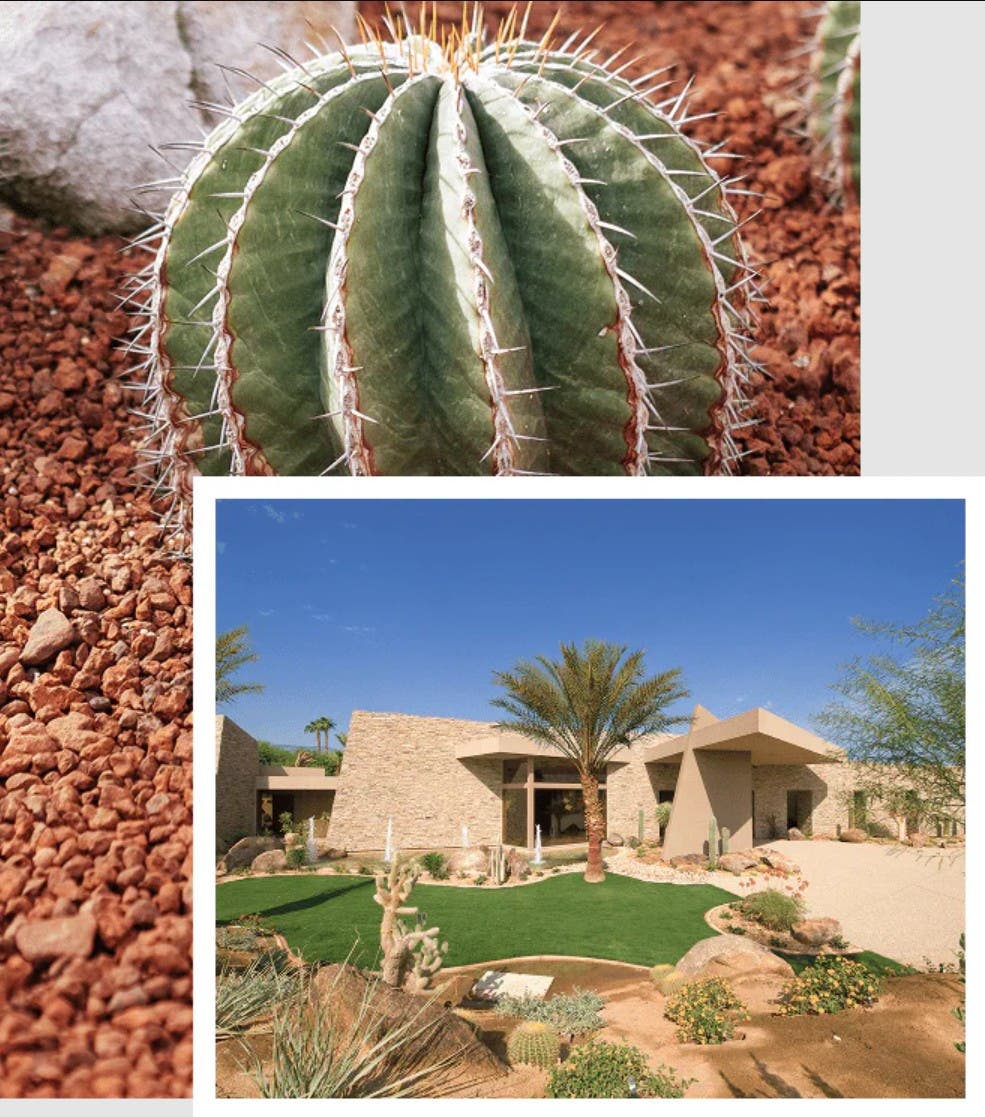
In deciding between mulch and decorative rock, the Arizona sun is your ultimate judge. Organic material doesn’t last long due to the heat and wind, requiring constant care and expense. Decorative rock is also designed for the desert’s unique conditions, and is a long-lasting, fire-safe, and pest-free option that pays for itself over time.
While mulch has its place in a small vegetable garden or a shaded flower bed, the advantages of decorative rock make it the superior choice for most Arizona landscapes. If you want your landscape to look beautiful year-round, withstand outdoor wear and tear, and avoid attracting pests, decorative rocks win.
Aesthetics
Aesthetics comes down to personal preferences. Mulch has its adherents, even in Arizona. However, rock offers a beautiful, architectural style that complements desert species such as agave, yucca, and palo verde trees. It’s also available in a range of colors that will not lose their luster when exposed to the sun.
It is not surprising that most of the resorts and planned communities in Sedona and Scottsdale use only rock. Well-planned landscaping using rocks of various shapes and sizes, including granite for footpaths and larger cobblestones in dry riverbeds, creates an effect resembling a natural desert environment.
Consider a Hybrid Solution
If you want to utilize the advantages of both organic mulch and decorative rock, it’s worth noting that it doesn’t have to be an either/or decision. You can enjoy the benefits of both.
You might use decorative rock for your primary coverage and curb appeal, covering the large expanses of the front and back yards. Mulch can be used for specific planter boxes or the base of high-water-use trees where soil conditioning is a priority.
Choosing the Right Decorative Rock for Your Property
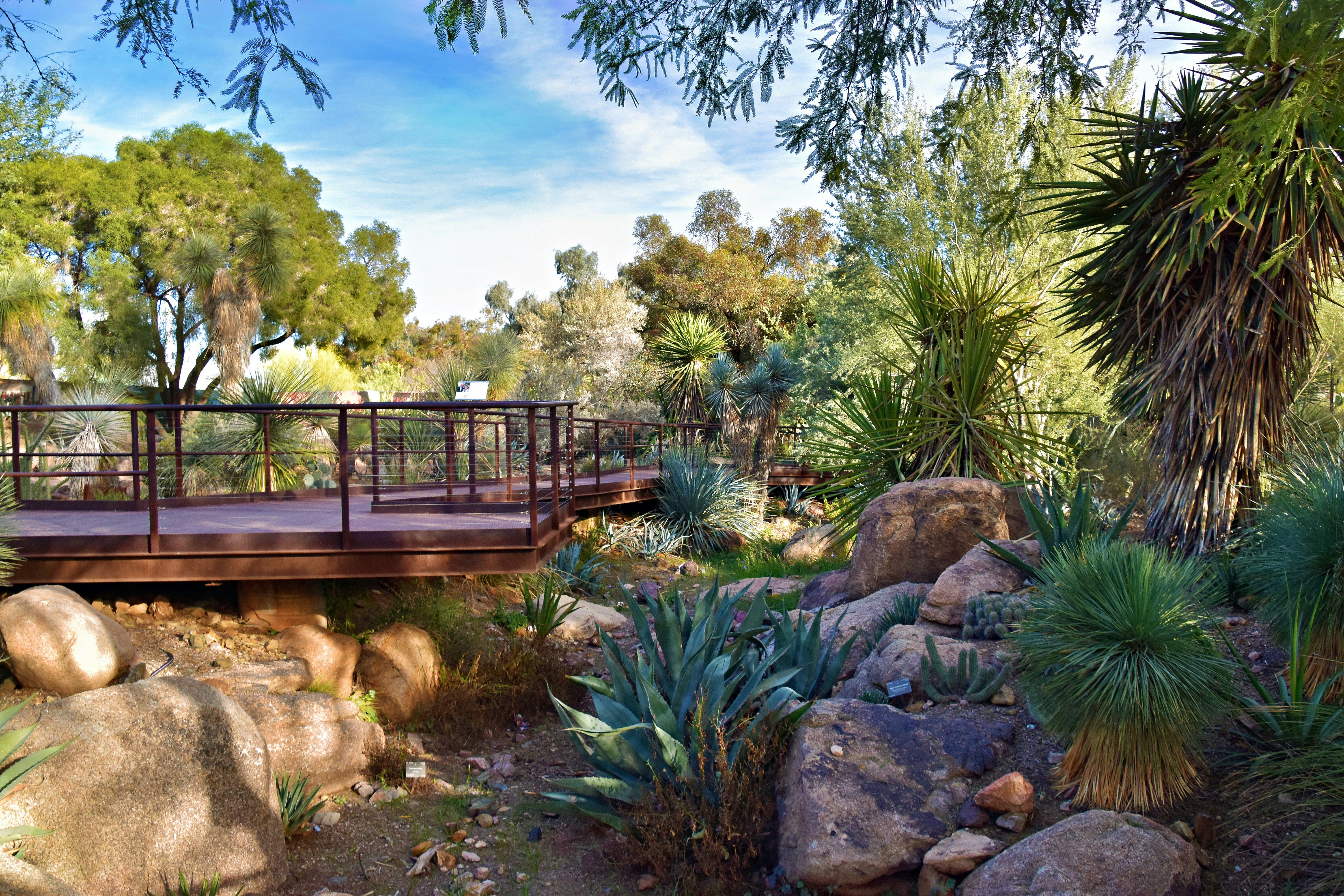
There are many options when choosing decorative rock products. Color is the most obvious distinction, but far from the only consideration. The following are some commonly used varieties of decorative rock.
- Apache Pink. Often used for both front and backyard ground cover, walkways, and accent areas in gardens.
- Desert Mauve. This is a good choice if you want a subtle, neutral color that pairs well with Southwestern architecture and desert plants.
- Madison Gold. This lighter color reflects sunlight, helping create an open feeling.
- Desert Jade. This style is popular for people who want a contemporary look. The green/gray shades go well with modern architecture.
All types of decorative rocks are naturally quarried, so each batch has its own characteristics. Hence, when making your selection, you can opt for a color and style that complements your property, knowing no one else can ever get the same result.