Health & Fitness
Arizona Could Be Fined Millions For Failing To Reform Prison Health Care
A U.S. magistrate judge berated the state corrections director, calling efforts to reform prison health care an "abject failure."

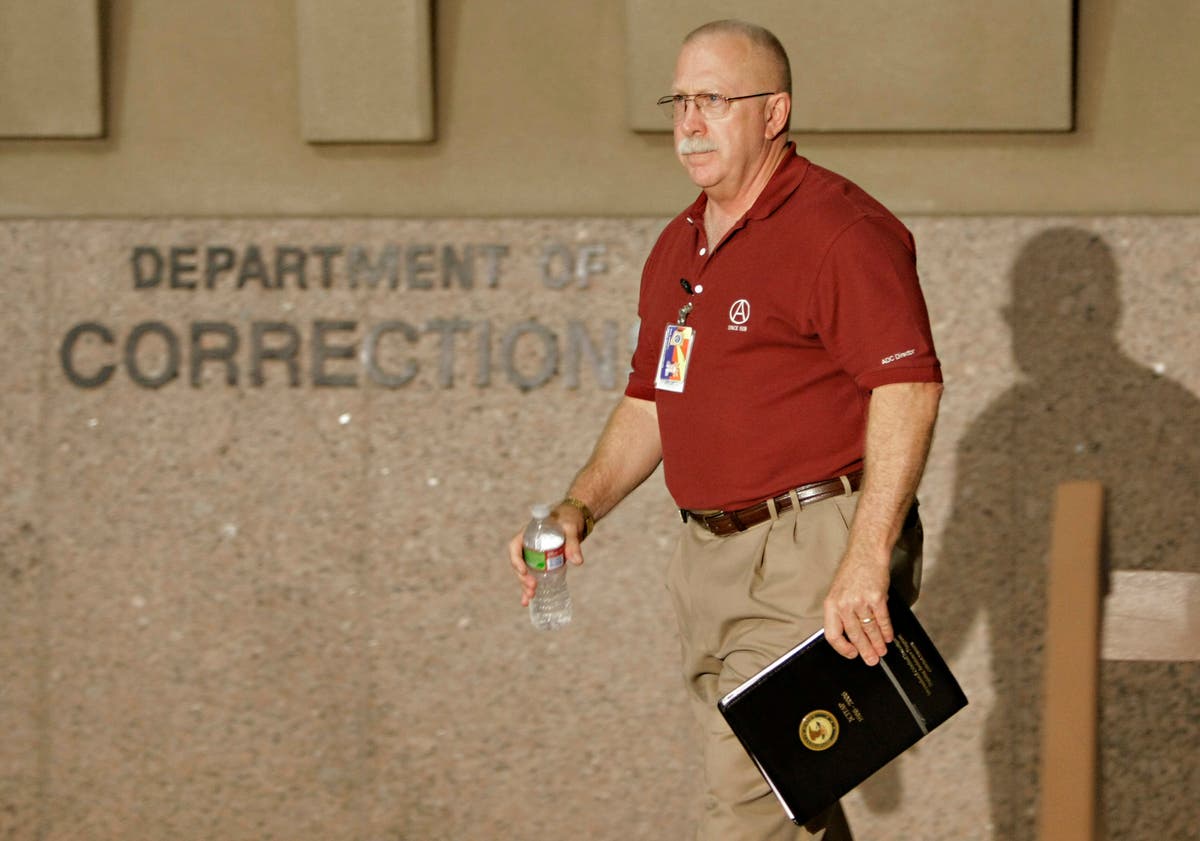
PHOENIX, AZ — Arizona has been dogged by a federal lawsuit for more than five years that accused the state of providing second-rate medical care for its prisoners, and now the state faces the prospect of millions of dollars in fines over its failure to reform its medical system.
A judge berated Arizona Corrections Director Charles Ryan in court Tuesday, painting the state's efforts to reform prison health care as an "abject failure," two years after it promised to make such changes as part of a settlement of the lawsuit.
U.S. Magistrate David Duncan grilled the prisons director over whether he tried to undermine a court order that banned retaliation against inmates who participated in the class-action lawsuit. Ryan denied the allegations. (For more information on this and other neighborhood stories, subscribe to Patch to receive daily newsletters and breaking news alerts. If you have an iPhone, click here to get the free Patch iPhone app.)
Find out what's happening in Phoenixfor free with the latest updates from Patch.
The case is among several legal problems to plague the Arizona prison agency in recent years, including a controversial 2014 execution, a sex offender's rape of a teacher and the death of an inmate left in an outdoor cage.
Here are the facts of the case:
Find out what's happening in Phoenixfor free with the latest updates from Patch.
TREATMENTS DENIED
The 2012 lawsuit said Arizona prisons didn't meet the basic requirements for providing adequate medical and mental health care and that prisoners faced dangerous delays and outright denials in receiving treatment.
The lawsuit alleged that critically ill inmates were told to be patient and pray to be cured after they begged for treatment. The lawsuit contended that a prison medical staff's failure to diagnose an inmate's metastasized cancer resulted in the man's liver enlarging to where his stomach looked like a full-term pregnant woman's belly.
Another inmate who had a history of prostate cancer had to wait more than two years for a biopsy. And nothing was done for another inmate who suffered from depression, had asked staff members for help because he was suicidal and later killed himself, according to the lawsuit.
Corrections officials were also accused of failing to correct problems after they were brought to their attention. The state denied the allegations.
The prisoners who sued weren't seeking money damages and instead asked for a court order declaring that Arizona's prisons violated inmates' Eighth Amendment right against cruel and unusual punishment.
CASE SETTLED
A week before the case was to go to trial in October 2014, state officials agreed to settle the lawsuit.
Without acknowledging any wrongdoing, state officials agreed to get more money from the Legislature to increase health care staffing, offer cancer screenings to certain prisoners, follow requirements in treating patients with chronic diseases, and provide more out-of-cell time to prisoners kept in isolated cells.
The state also agreed to offer all prisoners between ages 50 and 75 colon cancer screenings. And the settlement set requirements for treating prisoners with diabetes, high blood pressure, HIV and other chronic diseases.
SLOW CHANGES
Attorneys representing the inmates say prison officials have been dragging their feet in making changes they promised when settling the case. They have gone back to court several times to get the court to make the state follow through on its promises to improve health care for prisoners.
Lawyers who filed the lawsuit also say prison employees retaliated against two prisoners for testifying about the use of "open clinics" at prisons that let inmates access care when they need it without having to complete a form saying they need medical care.
One inmate was concerned that prison officers, by forcing inmates to move to other cells after he testified, were trying to make him a target of reprisal by portraying him as being the cause of the transfer. Another inmate said her cellmate was transferred and given a new roommate who is a gang member with a reputation for violence.
Duncan has threatened — but hasn't actually imposed — fines of $1,000 for each instance in which the state is falling short in making improvements to health care.
Ryan assured Duncan he would follow the court's orders. "I believe, with all due respect, I want you out of this case as bad as anybody else," Ryan told the judge Tuesday.
Despite Duncan's criticism that the state has failed to enact all the changes it promised to make, Ducey disputed that Ryan was pilloried in court for not providing adequate health care for prisoners. "That's not accurate, and I support him," Ducey said.
OTHER PRISON CONTROVERSIES
Ryan has proven to be a contentious figure in his eight years as Arizona's prisons director.
He was criticized in the 2009 heat-related death of an inmate who was left for nearly four hours in an unshaded outdoor holding cell during triple-digit heat. No criminal charges were filed in the death, though more than a dozen corrections employees were fired, suspended or otherwise disciplined.
About five years later, prison officials were accused of botching the execution of Joseph Wood, who was given 15 doses of a two-drug combination over nearly two hours.
Wood's death led to a lawsuit in which lawyers complained that Ryan had abused his discretion in the methods and amounts of drugs used in past executions. The lawsuit was settled in June in an agreement that limits Ryan's power to change execution drugs at the last minute.
Ryan also came under criticism in 2014 by a prison teacher who was raped by an inmate at a prison in Florence after being left alone with a sex offender. The teacher said Ryan allowed lax training, staffing shortages and poor security at the prison.
Prison officials sent out only a vague press release that referred to an assault on an employee after the rape. The details of the assault came to light only after The Associated Press obtained documents under a public records request and interviewed people familiar with the case. The state paid $3 million to settle the case.
Photo credit: Matt York/Associated Press