Neighbor News
Dr. Joel Singer Announces Ground Breaking Osteoarthritis Study
Park Avenue Stem Cell Medical Director, Dr. Joel Singer, announced today that he is launching human trials at his clinic on stem cells

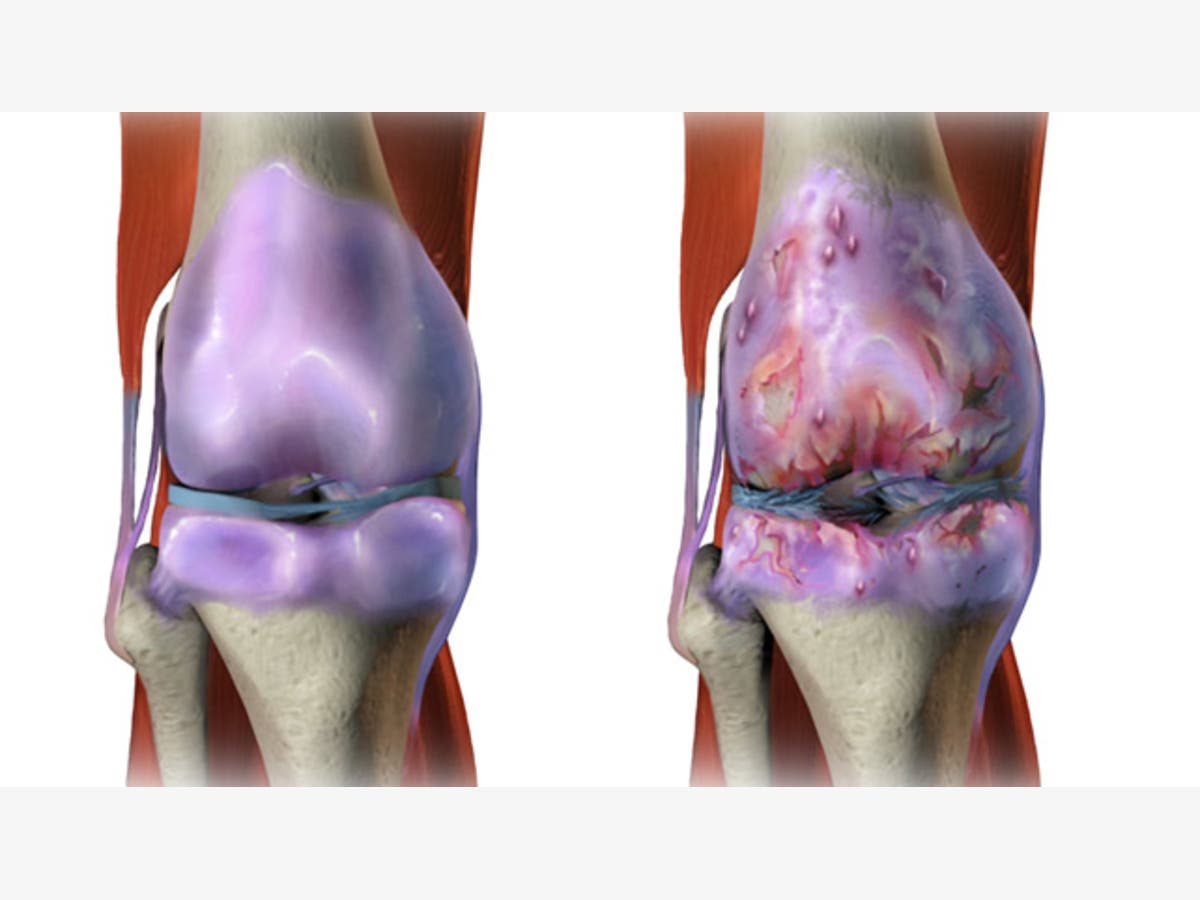
Dr. Joel Singer announces study on the safety and efficacy of stem cell therapy for arthritis
Dr. Joel Singer treats many patients who come to his practice in midtown New York with their own adipose derived stem cells. He is able to address one of the first questions patients contemplating stem cell for arthritis may have – ‘Is it safe?’
Safety of stem cell therapy
Plenty of peer reviewed literature offers evidence of the safety of using autologous stem cell treatment. Stem cell therapy is considered safe because the patients receive cells that are harvested from their own bodies. These freshly harvested adipose-derived stem cells don’t need any manipulation or culturing. The most common side-effect from this minimally invasive procedure may be a little swelling or pain. As with any other type of medical procedure, there is a slight risk of infection.
Efficacy of stem cell therapy
Critics like to emphasize the fact that large-scale, prospective, double blind research studies do not exist to support stem cell therapy. There have certainly been no double-blind trials to prove the efficacy of using fat-derived stem cells for treatment of arthritis in knees. These studies are regarded by medical professionals as the gold standard.
Find out what's happening in Phoenixfor free with the latest updates from Patch.
Those who believe in stem cell therapy point to the clinical studies that have shown positive results. There is also plenty of anecdotal evidence of its efficacy. This can be corroborated with X-rays and changes in arthroscopy.
With most regenerative medicine treatments, more research is needed. At present the FDA does not endorse stem cell therapies. Dr. Joel Singer and fellow physicians are constantly collecting relevant data to be submitted for review.
Find out what's happening in Phoenixfor free with the latest updates from Patch.

The theory is that injecting stem cells into an arthritic joint enables cartilage cells to develop. The stem cells can become any other type of cell in the body, so they are able to replace the damaged cartilage. They may also reduce inflammation and prevent further degeneration.
Factors affecting research
Research into the efficacy of treatment with stem cells has been fraught with difficulties. When scientists discovered they could remove stem cells from embryos, it unleashed much controversy. The moral issues surrounding the debate eventually resulted in changes in legislation that may have set back research.
The debate has died down as new ways were found of obtaining stem cells. However, there are other difficulties associated with research into stem cell therapy for arthritis. One of these is that the types of stem cell therapy used in studies may vary. The stem cells may be obtained from different sources, separated from tissue differently and delivered to the join differently.
Other unknowns are whether a person’s own stem cells are effective in bringing healing and how many cells may be needed for treatment. The therapy can also vary depending on who is performing the treatment and whether the person has the required experience.
Questions patients should ask
Patients have a right to ask physicians what experience they have in doing the treatment. They should ask for an explanation of how the cells will be harvested and how they will be put back into the body.
They should find out how people with similar joint problems have responded to treatment. Both physicians and patients benefit from such discussions. Expectations are kept at a realistic level, and any possible misconceptions are addressed.
A new double-blind study
Dr. Joel Singer of Park Avenue Stem Cell (PASC) has announced that he will be funding and conducting a double-blind study into the use of adipose-derived fat cells to treat osteoarthritis of the knee. According to reports, the study will take place in his clinic in New York and will be subject to the standards expected by the FDA and the IRB.