Community Corner
Phoenix Zoo Orangutan Gets Lifesaving Surgery From 'Human' Doctor
Daniel, the zoo's 11-year-old orangutan, had a potentially life threatening respiratory illness. For help, the zoo turned to a "human" doc.


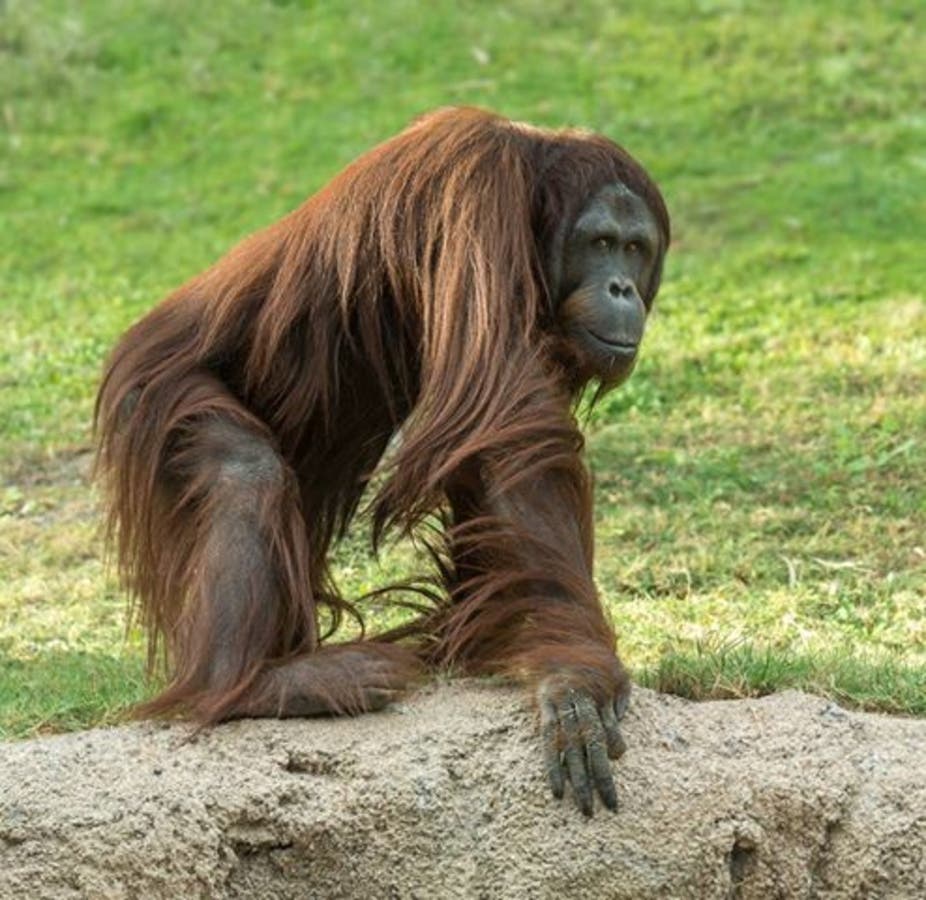
PHOENIX, AZ – It's been a tough stretch for Daniel the Bornean orangutan at the Phoenix Zoo. The 11-year-old's frequent female companion, Kasih, had recently died. Then he was diagnosed with a potentially life-threatening respiratory disease called sinusitis and air sacculitis.
The zoo's veterinary team had first tried treating the disease medically. It wasn't working.
"We had attempted to treat the condition medically and also with surgery of the air sac, but when the symptoms reoccurred we knew we needed to address surgery of the sinuses and the air sacs," said the zoo's Vice President of Animal Health and Collections, Dr. Gary West.
Find out what's happening in Phoenixfor free with the latest updates from Patch.
"We are fortunate that we found an incredibly talented team willing to take on this complicated surgical procedure."
In an unusual move, the zoo's team reached out to a doctor whose patients are a step above the orangutan on the evolutionary scale.
Find out what's happening in Phoenixfor free with the latest updates from Patch.
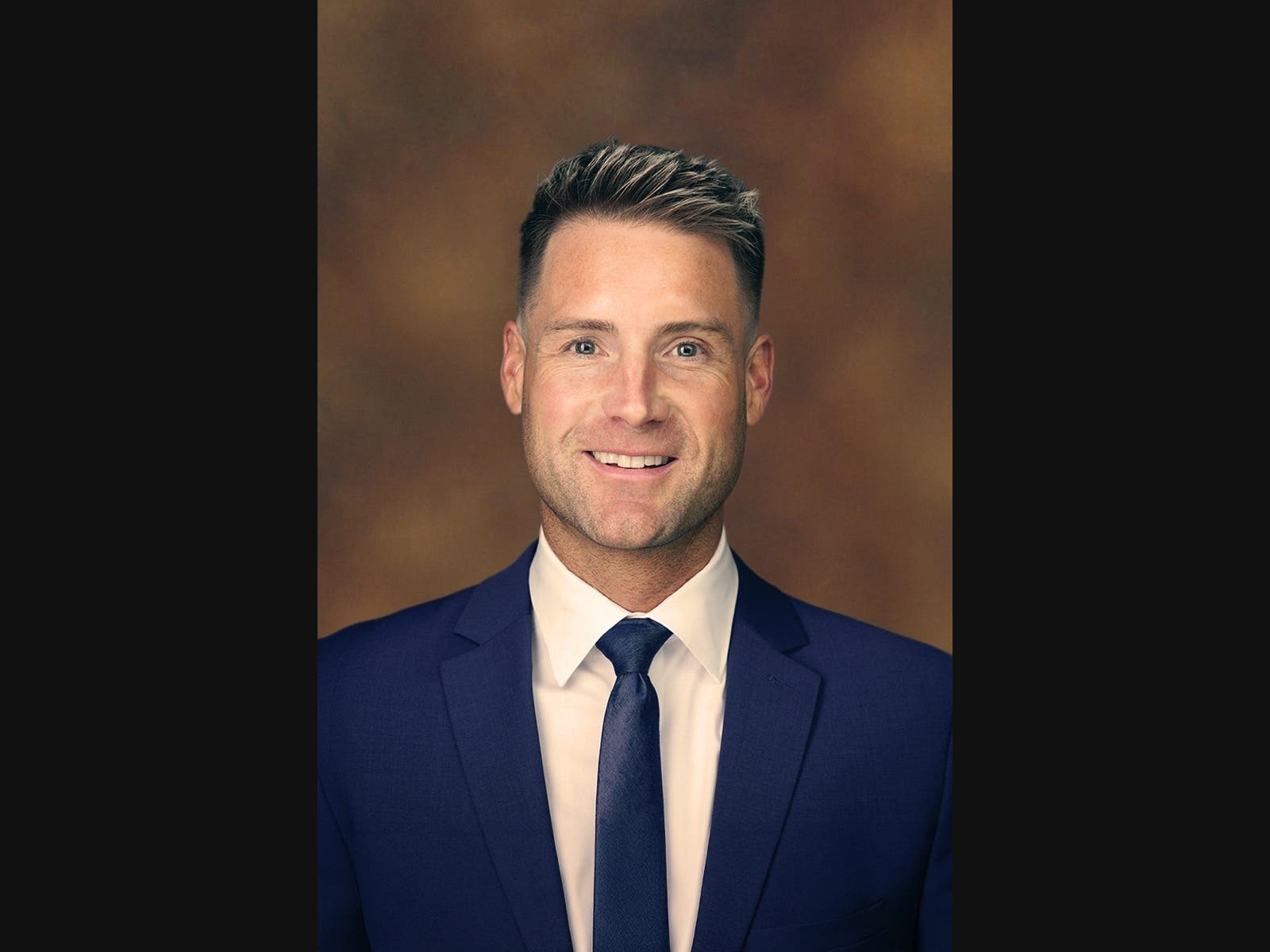
"I thought I was getting pranked," Dr. David Simms, an ear, nose and throat guy who works at Arizona Otolaryngology, says of the call that he got from West asking for his help. “I’ve performed thousands of surgeries on humans, but this is the first one I’ve ever done on an orangutan.
"The orangutans’ nasal cavity is similar to humans but due to the shape of their skull there are important differences within the sinuses to be noted before attempting surgery."
Simms says that to get ready for surgery, he started by looking at CT scans of Daniel's head.
Then, they were able to upload the images on to a computer and, with the help of a 3D printer, make a replica of Daniel's head.
The medical team – which also included Dr. Jeff Steurer of Southwest Veterinary Surgical Services – had one other obstacle: the surgery had never been performed in the United States.
It had been done in the United Kingdom and in Switzerland. But, in those cases, doctors never conducted long-term follow-up. So, Daniel's doctors were exploring new ground.
It all went well.
"The endoscopic surgical procedure went perfect," Simms says. "I am very optimistic that this will make a significant impact on his long-term health."
The primate manager at the zoo, Mary Yoder, says that Daniel is recovering nicely.
"He is doing fantastic," says Yoder. "He is active. His appetite has returned. He is engaging with guests and enjoys training with the animal keepers.
"He is back to his playful self."
If you want to visit Daniel, he's back in the zoo's Orang-Hutan along the Tropics Trail.
Photo courtesy Phoenix Zoo.
Get more local news delivered straight to your inbox. Sign up for free Patch newsletters and alerts.