Neighbor News
School Shooting Prevention Unaddressed Warns Brett H. Pritchard
Gaps exist across the country in the security of our childrens' schools. Texas Attorney Brett H. Pritchard warns about the dangers.

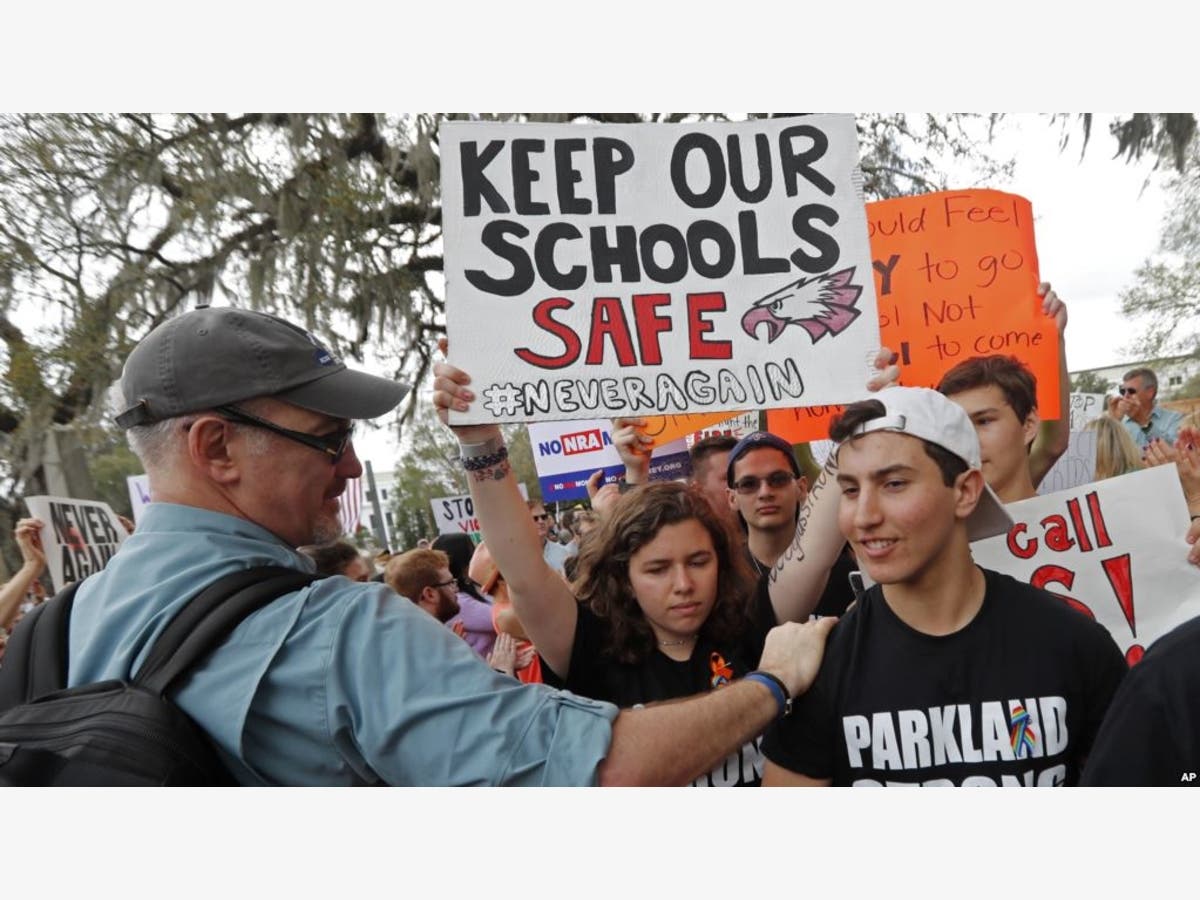

Prominent Texas attorney Brett H. Pritchard this week warned that schools could be doing a lot more to secure campuses.
The school safety debate has hurdled through 2018, propelled with each school and mass shooting reported in the media. Alongside heated arguments on gun control and mental health care are debates on school security.
“With too many harsh security measures, schools lose the open, inviting atmosphere best for learning,” concerned father and attorney Pritchard acknowledges. However, with efforts of crime prevention through environmental design, or CPTED, schools can implement security that is both effective and appropriate. “These research-backed recommendations combine enhancements in school design, security technology, and management,” that attorney continues. Above all safety measures, CPTED stresses having a secure entrance.
Find out what's happening in Phoenixfor free with the latest updates from Patch.
A CPTED secure entrance has many components, the first of which is perimeter fencing. While fencing does not completely prevent trespassing, it limits pedestrians to observable walkways and reduces access to non-primary entrances. While this security measure is not plausible for many colleges and universities, many primary and secondary schools would benefit greatly from the installment.
Schools at all educational levels are choosing one main entrance for their buildings. A proper CPTED single point of entry is clearly marked and under video surveillance with access control. However, single point entry is useless without properly securing all other entrances and exists. To do this, CPTED recommends schools install tamper-resistant reinforced vestibules, sally ports or double entry door systems. Some schools go even further with window glazes to prevent breakage, and electronic locks to know whether a door is actually closed.
Find out what's happening in Phoenixfor free with the latest updates from Patch.
“Especially for elementary and high schools,” Brett H. Pritchard warns, “arrival and dismissal times are points of critically low-security.” So much movement in, out, and about school buildings at these times essentially dismantle any visitor screening or surveillance of students. His search found that staff must be strategically assigned to monitor the school to deflect, deter and minimize threat. They must be equipped to handle potential emergencies with need training in intruder response, reverse evacuation, and more.
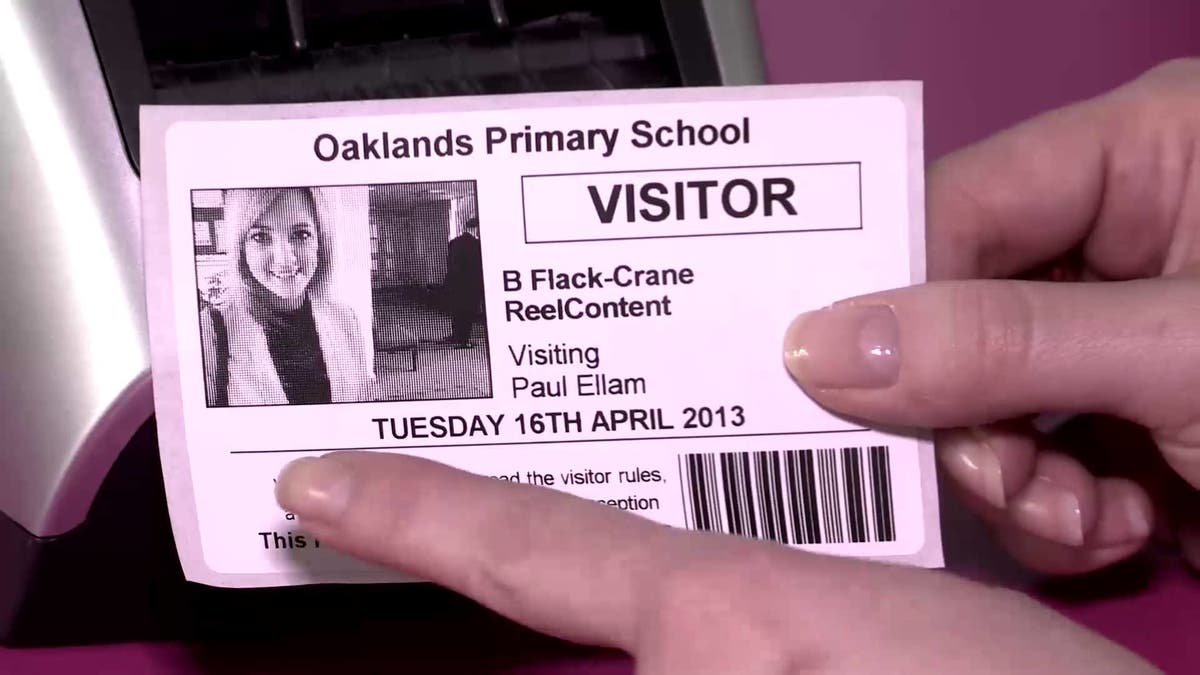
CPTED recommendations also stress visitor management. Most importantly, main office staff must carefully screen individuals and confirm the purpose of their visit. Many computerized visitor management systems have in-depth screening features, such as the ability to cross check visitors with state and federal databases like the national sex offender registry. However, not all schools can afford these. As long as staff understand the potential dangers of visitors, the classic paper sign-in sheet can effectively deflect dangerous persons.
Duress and panic buttons allow staff to notify the police of a threat within their school quickly and discreetly. In the past, these have been hidden in the main office, perhaps under a desk. Now, pendent systems discreetly worn by key staff members allow them to notify authorities in seconds anywhere in the school. Some of these buttons can remotely alert the entire school of a lockdown without requiring the command to come from the main office.
While the school safety debate continues on, environmental design changes aim to save the lives of students, faculty, and staff in schools at every level of education. Speaking from his offices at The Law Office of Brett H. Pritchard, he emphasizes that schools can both enhance security and preserve an open learning environment with methods of crime prevention through environmental design. Schools that can are switching to CPTED-recommended technologies like electronic locks and panic button pendants. They are making management changes like requiring visitor screening, and design changes like single point entry. With each mass and school shooting in 2018, the safety of students is on everyone’s minds. CPTED changes hope to answer to at least one of the many causes of this issue plaguing the nation.