Politics & Government
Asylum-Seekers Live Better In Tucson Than In U.S. Custody: Doctor
A Tucson doctor volunteering at former monastery disputes assertions that asylum-seeking migrants aren't interested in good hygiene.


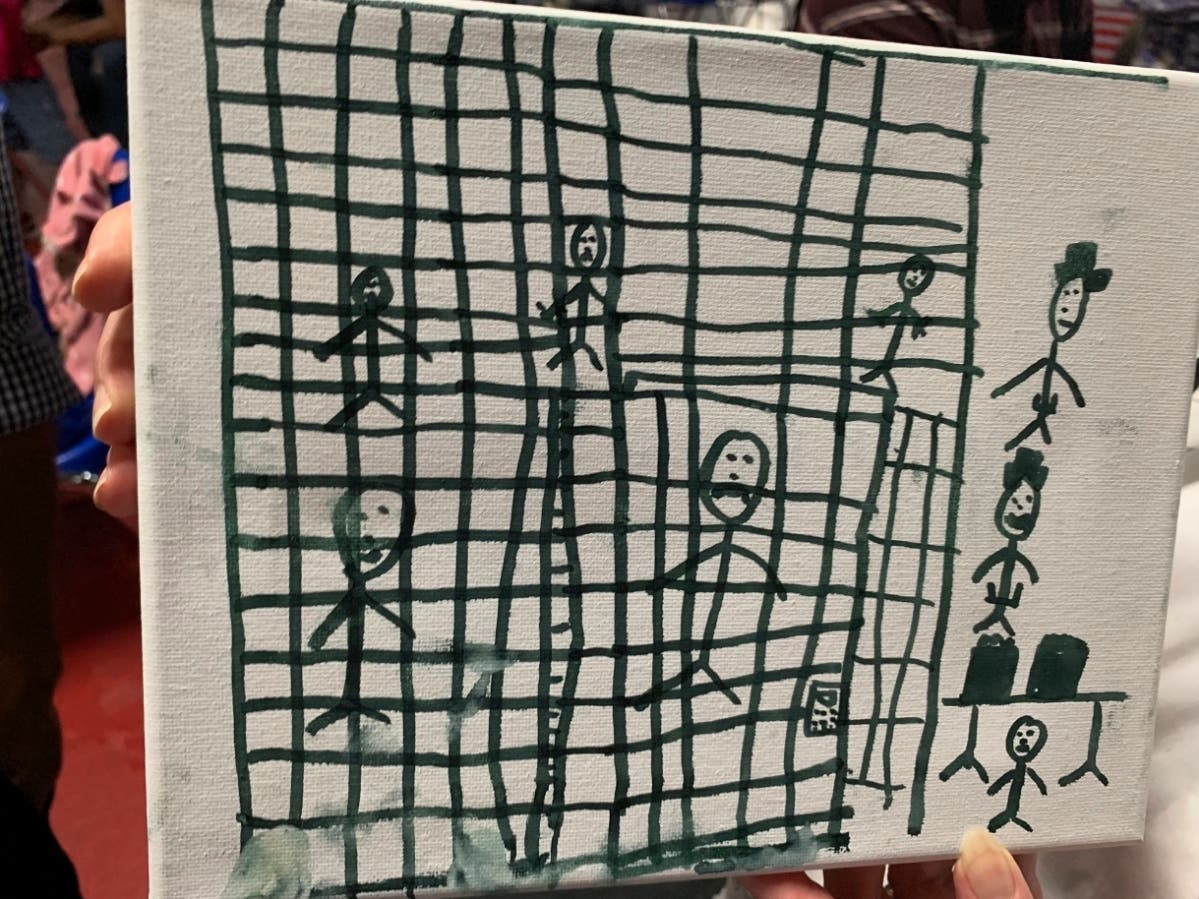
TUCSON, AZ — Living conditions for asylum-seeking migrants from Central America at a former Tucson monastery differ vastly from those migrants encounter in U.S. custody, according to a doctor who provides medical care at the temporary shelter run by Catholic Community Services.
Recent reports, including one from the Homeland Security Department’s own watchdog agency, have described filthy, unhealthy conditions inside some Border Patrol stations, including quarters so cramped that children younger than 7 were jammed in centers for more than two weeks and adults were forced to stand for days on end.
Some agents have fought back, saying the problem is with the care they’re providing, but with the migrants themselves. This week, Aaron Hull, the chief Border Patrol agent for the El Paso, Texas, sector said migrants often refuse humanitarian offers for showers and toothbrushes.
Find out what's happening in Tucsonfor free with the latest updates from Patch.
“We can take them to the shower and we can put them there but we can’t physically make them shower,” Hull told CNN Monday. “It’s the same thing with brushing their teeth. We encounter children who’ve never brushed their teeth.”
Related: Migrant Asylum Seekers To Move From Tucson Monastery At July’s End
Find out what's happening in Tucsonfor free with the latest updates from Patch.
Dr. Herb McReynolds, a Tucson physician volunteering at the former Benedictine Monastery who have been released from Immigration and Customs Enforcement custody while their petitions for asylum wend through the courts, vehemently rejects that assertion. He told news station KOLD the migrants happily accept toothbrushes, soap and shampoo.
“What we’re seeing, at least here, in Tucson is that people want to take a shower,” McReynolds said. “Once they’ve done their intake, they have a chance to get some clean clothes and then they want to shower. There’s not anyone, to my knowledge, that’s refused a dental pack. No refusals of showers, no refusals of dental packs. You know, these people want to be clean they want to be healthy; they want to have a better life.”
Another volunteer at the monastery, Ana Hernendez, recalled something her high school teacher often said during the seven years she lived in Honduras, one of the poorest countries in Central America.
“ ‘The wealth of the poor is their hygiene,’ and so that’s something that they believe to their core,” Hernandez told KOLD.
Government inspectors had described an increasingly dangerous situation, both for the migrants and the agents — a “ticking time bomb,” in the words of one facility manager. The report echoed findings in May by the department's inspector general about holding centers in El Paso, Texas: 900 people crammed into a cell with a maximum capacity of 125; detainees standing on toilets to have room to breathe; others wearing soiled clothing for days or weeks.
Both Hernandez and McReynolds decried the comments by Hull and others to lay the blame for the conditions on the migrants.
“Once you begin to characterize them and marginalize them it’s a lot easier to just put them into a different group and not think of them as human beings,” McReynolds told the news outlet.
Hernandez added: “I think that things have to change and we have to see each other as human beings because that’s what they are.”
Acting Homeland Security Secretary Kevin McAleenan defended the conditions at the Border Patrol stations when he appeared on ABC’s “This Week” Sunday. He called the situation “extraordinarily challenging.”
McAleenan said that since the first of the year, 200 medical providers have been added to facilities, including personnel from the U.S. Coast Guard and the Public Health Service Commission Corps.
“We have pediatricians in border patrol stations for the first time in history trying to help address conditions where children are coming across 300 a day in ... April and May," McAleenan said.
"We've built soft-sided temporary facilities. These are spaces that are much more appropriate — high ceilings, more room for children and families. We've put them both in Donna, Texas, in South Texas as well as in El Paso to provide additional space. ... We've bought buses to transport people to better places."
McAleenan disputed news reports, including those by The Associated Press, of especially troubling conditions at a border station in Clint, Texas, where a stench was coming from children's clothing and some detainees were suffering from scabies and chickenpox.
"There's adequate food and water," he said. "The facility's cleaned every day, because I know what our standards are and I know they're been followed because we have tremendous levels of oversight. Five levels of oversight.
"Inadequate food, inadequate water and unclean cells. None of those have been substantiated."
He said everyone in the chain of command is worried about the situation of children detained at the border. He said that on June 1, his department had 2,500 children in custody, including 1,200 who had been there for more than three days. As of Saturday, McAleenan said there were 350 children, and only 20 have been in the department's custody for more than three days.
"So that's huge improvement based on the resources we asked for from Congress and were finally given," he said.
President Trump also defended his administration’s response, accusing the news media of "phony and exaggerated accounts" but without providing evidence.
“Border Patrol, and others in Law Enforcement, have been doing a great job. We said there was a Crisis — the Fake News & the Dems said it was 'manufactured,'" Trump wrote on Twitter. Federal detention centers "are crowded (which we ... brought up, not them) because the Dems won't change the Loopholes and Asylum. Big Media Con Job!"
Get more local news delivered straight to your inbox. Sign up for free Patch newsletters and alerts.