Health & Fitness
11 CA Counties Pushed Back To Tighter Coronavirus Restrictions
As Thanksgiving looms, 11 counties were forced to take a step back in reopening businesses amid a massive COVID-19 spike in California.


CALIFORNIA — As the Golden State struggles to manage a new spike in COVID-19 cases, public health officials announced Tuesday that none of the state's 58 counties would be able to move forward with reopening plans this week. Instead, 11 counties slid backwards on the statewide COVID-19 tiering system.
This is the first time the state has seen such a significant backslide since the state launched the risk assessing blueprint. And as Thanksgiving looms, public health officials are urging Californians to practice social distancing as a recent increase in social gatherings appeared to be fueling the surge.
"The virus is not over just because we're tired of it," said Dr. Mark Ghaly, California's health secretary. "[Coronavirus] looks for opportunities to spread."
Find out what's happening in Across Californiafor free with the latest updates from Patch.
Sacramento, San Diego and Stanislaus counties all moved back into the dreaded widespread, purple tier Tuesday, Ghaly announced. Santa Cruz, Contra Costa, El Dorado, Placer and Amador slid back into the substantial, red tier. Additionally, Modoc, Siskiyou and Trinity also moved back into the moderate or orange tier, he said.
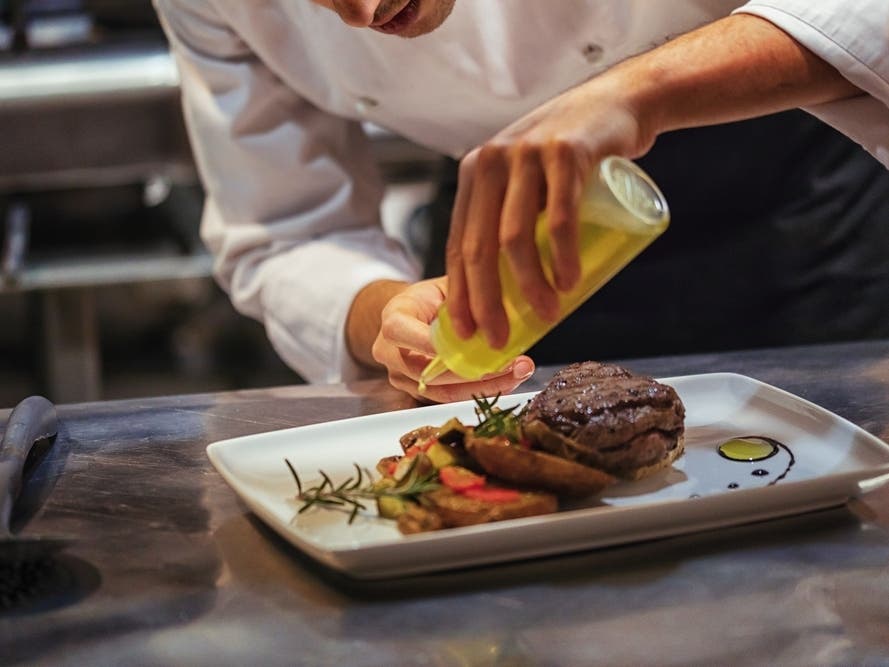
San Francisco officials also took it upon themselves to shut down all indoor dining after the city and county announced a 250 percent increase in COVID-19 cases. As of Nov. 13, restaurants will be required to shut down indoor operations once again for an unknown period of time.
Find out what's happening in Across Californiafor free with the latest updates from Patch.
Ghaly said the state was the most open that it has been since the pandemic hit the state in March around the week of Oct. 27, with cases beginning to rise around that time.
In California, 3.7 percent of tests have come back positive over the last two weeks, up 0.8. In late October, the positivity rate was just 2.5 percent. Hospitalizations have also spiked 30 percent over the last two weeks.
Newsom called these numbers "sobering" on Monday.
For weeks, California kept this number below the 3 percent mark, but health officials warn that the state is now in the midst of a significant surge, despite the fact that the positivity rate is lower than most other states.
While this isn't surprising since Gov. Gavin Newsom and public health officials have been warning of the upward trajectory, residents and officials continue to face the challenge of combating what Ghaly has called "COVID fatigue," and even "COVID resentment."
As the Thanksgiving holiday draws near, Ghaly warned that this year's holiday would look very different than it last year, but the state has yet to release official guidelines.
"We know that this is hard, we know many people feel exhausted, they feel isolated and they're impatient," Ghaly said. "We've talked quite a bit about COVID fatigue, I even talk about COVID resentment. We know that this is hard but we must do more."
Ghaly did review some of the most high risk activities Tuesday, naming "eating and drinking" and having "multiple people sit at a small table" as some of the riskiest activities for transmitting COVID-19.
But Ghaly did acknowledge Tuesday that the state and public health officials alike have worked to make the guidelines more "relatable," versus the state's early guidelines, which urged Californians to completely isolate.
On Monday, it was announced that US pharmaceutical giant Pfizer's candidate vaccine was more than 90 percent effective in preventing coronavirus infections. And while Ghaly acknowledged Tuesday that this was good news, he also echoed that of what Newsom has been urging all along — it may be well into next year before the average person in California sees a vaccine.
"Look, there's a lot of different news about where we are with the vaccine, I think we anticipate that we're getting near approval of some vaccines," Ghaly said. "That does not mean that we know how much of the vaccine will be available nationwide [or] how much of that will come to California."
When the vaccine is distributed in California, possibly as soon as December, first responders, senior citizens, racial ethnic minority groups, rural communities, those incarcerated and people with disabilities were among those who would first be vaccinated, Newsom announced Oct. 19.
Pfizer's chief executive has said that 30 to 40 million doses of the two part vaccine could be available before the end of 2020. This would be enough for 15 to 20 million people to get the first shot and a booster weeks later, the New York Times reported.
Pfizer officials also said they would apply for emergency authorization in the third week of November, the Times also reported.
More Patch stories from Monday's COVID-19 coverage:
Get more local news delivered straight to your inbox. Sign up for free Patch newsletters and alerts.