Weather
After Record Rains, What's Next For California Droughts?
December was one of the state's wettest on record, but much of the state is still in a moderate drought. What to do?


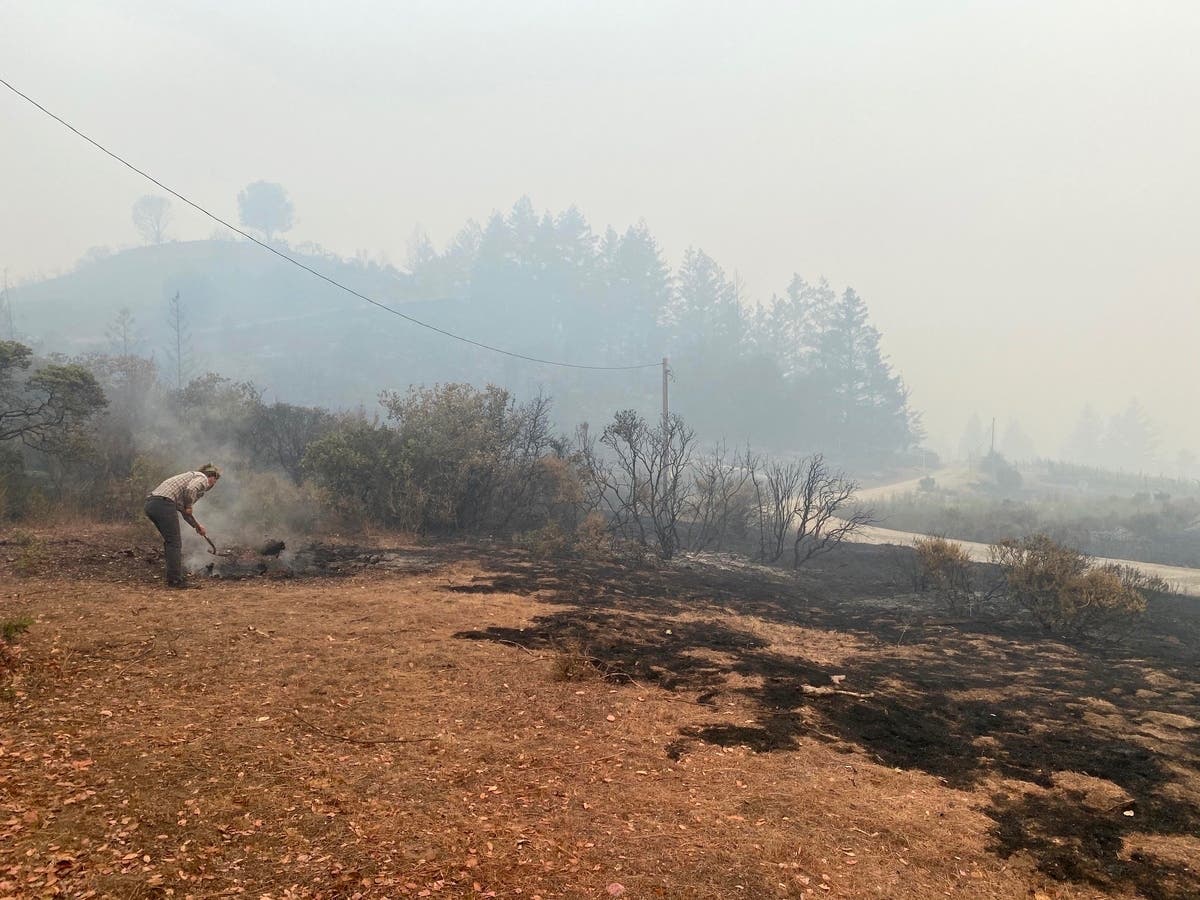
CALIFORNIA — The ongoing California drought crisis finds itself at an interesting crossroads in early 2022: the state is coming off its wettest month in years, as atmospheric rivers dumped a total of 202.1 inches of snow over the Sierra Nevadas, the snowiest month since 1970, and the third snowiest month ever recorded in the state. Downtown LA saw 2.57 inches of rain, its highest since 1936. Other SoCal cities like Burbank and Long Beach also shattered decades-old records.
As a result, nearly the entire state is out of the “exceptional drought” category designated by the National Oceanic and Atmospheric Administration’s U.S. Drought Monitor. Before December, the Drought Monitor placed 56% of California in the “extreme drought” category, and after December, less than one-third of the state was in that category. Still, 53.5% of the state is still considered to be in a “moderate drought.” No part of the state is not in a drought.
December also followed a few extremely dry months, and California has been under severe drought conditions for at least a decade. “The recent heavy precipitation and favorable snowpack resulted in 1 to 2-class improvements in the drought intensity level, but 12 to 24-month precipitation deficits continue,” NOAA Brad Pugh, told SFGate.
Find out what's happening in Across Californiafor free with the latest updates from Patch.
Scientists are saying that January is shaping up to be just as dry as prior months, with several sunny days ahead predicted. Reservoirs in many parts of the state are still reporting below-average levels, even after record-breaking precipitation. Shasta Reservoir, the state’s largest, is still just 33% of its normal levels as of Jan. 12, according to a report in the Mercury News. Oroville, the second largest, is still just 56% full. The fact that such shortages still exist after so much rain and snow underscores how severe the long-term problems are.
So even after the wettest December in decades, the state and its municipalities are trying different ways to bring water use in check. The state enacted new rules banning sprinklers from running onto sidewalks, or watering lawns within 48 hours of receiving 0.25 inches of rain. Violations could lead to a $500 fine. In July, Gov. Gavin Newsom called for a 15% reduction in water usage compared to last year. But during a drier than average summer, usage only decreased by 6% statewide. Still, some northern California regions, including Sacramento and San Francisco, used between 17-26% less water than in November 2020, according to a Newsweek report. Los Angeles, Orange, and San Diego counties used 1% more.
Find out what's happening in Across Californiafor free with the latest updates from Patch.
In some water districts, conservation is no longer voluntary. In January, the Las Virgenes Municipal Water District, which oversees a wealthy, celebrity-studded district in the mountains northwest of Los Angeles serving about 75,000 people, made news for promising to limit water flow to customers who repeatedly go over their allotted “water budget.”
Homes in the Las Virgenes district, many of which have large lawns, lush gardens, and big swimming pools in the midst of a semi-desert climate, will now have an advanced water metering system attached. Customers who exceed 150% of their monthly budget will face fines, and households fined three times will have a flow restrictor placed on their water system.
In November, officials at the San Francisco Public Utilities Commission declared a water shortage emergency, and asked residents in San Francisco, Alameda, Santa Clara, and San Mateo to limit their water use by 10%, or see a bill surcharge of up to 5% on their bills. The East Bay Municipal Utility District, which provides water to Alameda and Contra Costa counties, reported reduced water use by 22% in November compared to November 2019, the Mercury News reported.
Similarly, the San Jose Water Company also imposed monthly water budgets on residential customers. Its one million customers in Silicon Valley must cut 15% from their 2019, or pay $7.13 in surcharges for each unit of water above that amount. San Jose Water customers cut their use by 20%, according to the Mercury News.
A combination of heavy precipitation and reduced water usage has placed California in a better spot than it was a few months ago, but it’s still a long, dry road ahead.
Get more local news delivered straight to your inbox. Sign up for free Patch newsletters and alerts.