Politics & Government
CA Audit: Millions May Have To Repay Pandemic Unemployment Aid
An audit of the unemployment agency found more than 4 million may have to repay all or some of the benefits they got during the pandemic.


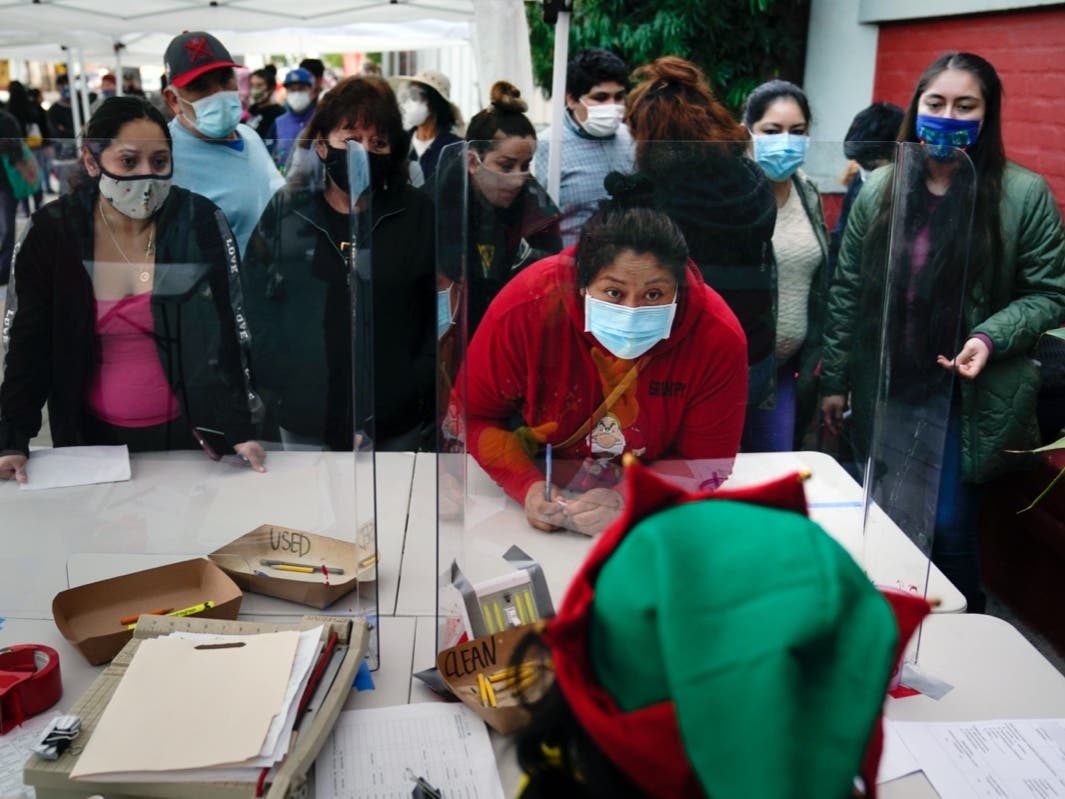
CALIFORNIA — Unemployment surged over the first few months of the pandemic, and California's unemployment agency stopped vetting most claimants to determine if they were eligible for aid, an audit released Tuesday found. Going forward, some 4.1 million Californians may have to repay some or all of that money.
Millions flocked to the Employment Development Department's website last spring amid sweeping stay-at-home orders and mass closures across several business sectors. The agency became overwhelmed, and payments were significantly delayed. So officials decided to nix the tedious work of verifying each claimant's eligibility.
This did help get benefits into the hands of Californians quickly, but the agency actually created more work for itself and could burden the millions who now have to repay benefits.
Find out what's happening in Across Californiafor free with the latest updates from Patch.
State officials compiled a backlog of those eligibility checks, which included some 12.7 million cases that were flagged. Of those cases, at least 2.4 million may have been ineligible, and 1.7 million may have been overpaid, the audit found.
"Although EDD's actions likely allowed it to pay benefits faster, EDD now faces an impending workload for which it has no clear plan to address, and that could have significant consequences for claimants," the audit said.
Find out what's happening in Across Californiafor free with the latest updates from Patch.
Elaine M. Howle, the state's auditor, led the audit that found that the agency's secretary directed agency workers on March 20 to pay all claimants without determining eligibility. That directive reportedly stood until December of last year.
Typically, the agency would examine flagged claims more closely to determine whether a person who voluntarily quit a job or refused work had "good cause to do so."
The agency estimated it would take 30 minutes to resolve each issue if they went back and processed those 12.7 million flagged cases. It would take workers 3 million hours to resolve just half of the issues, the audit said.
It remains to be seen just how the state will handle a potentially unprecedented wave of indebted Californians already affected by the pandemic. The EDD typically offers installment payment options.
Californians typically have 48 months to repay their debt. The EDD also has the power to waive repayments if cases were found to be nonfraudulent. But it's uncertain how much bandwidth the agency will have to analyze each claim. The state has two years to issue an overpayment notice.
The decision to cease eligibility checks to speed up payments compromised the "integrity" of the program, Howle pointed out in her letter to lawmakers. But she acknowledged the challenges of the situation.
"Although it would be unreasonable to have expected a flawless response to such an historic event, EDD's inefficient processes and lack of advanced planning led to significant delays in its payment of UI claims," Howle said.
The audit also pointed to previous issues with the agency that revealed its lack of planning for the Great Recession of 2008 and 2009, poor management of call centers and a slow training process.
Rita Saenz, the EDD's director, outlined the steps the department took to increase its efficiency but also aimed some of the blame at the state. "We agree that in order to function in bad times, the government needs to make investments in good times in infrastructure, technology, funding, and staff training and prioritize ensuring access to the most vulnerable, including the limited-English speaking and other populations facing accessibility barriers," Saenz wrote to lawmakers on Tuesday.
California's unemployment rate spiked to 9 percent in December amid sweeping closures and surging cases, and many residents could be sinking even deeper into debt.
Get more local news delivered straight to your inbox. Sign up for free Patch newsletters and alerts.