Politics & Government
CA Proposition 1: Bonds For Housing Affordability Programs
The measure comes as California faces a persistent housing affordability crisis.

SACRAMENTO, CA —Proposition 1 seeks to authorize the state to issue $11.25 billion in new bonds for affordable housing, homeownership programs and veterans’ housing assistance.
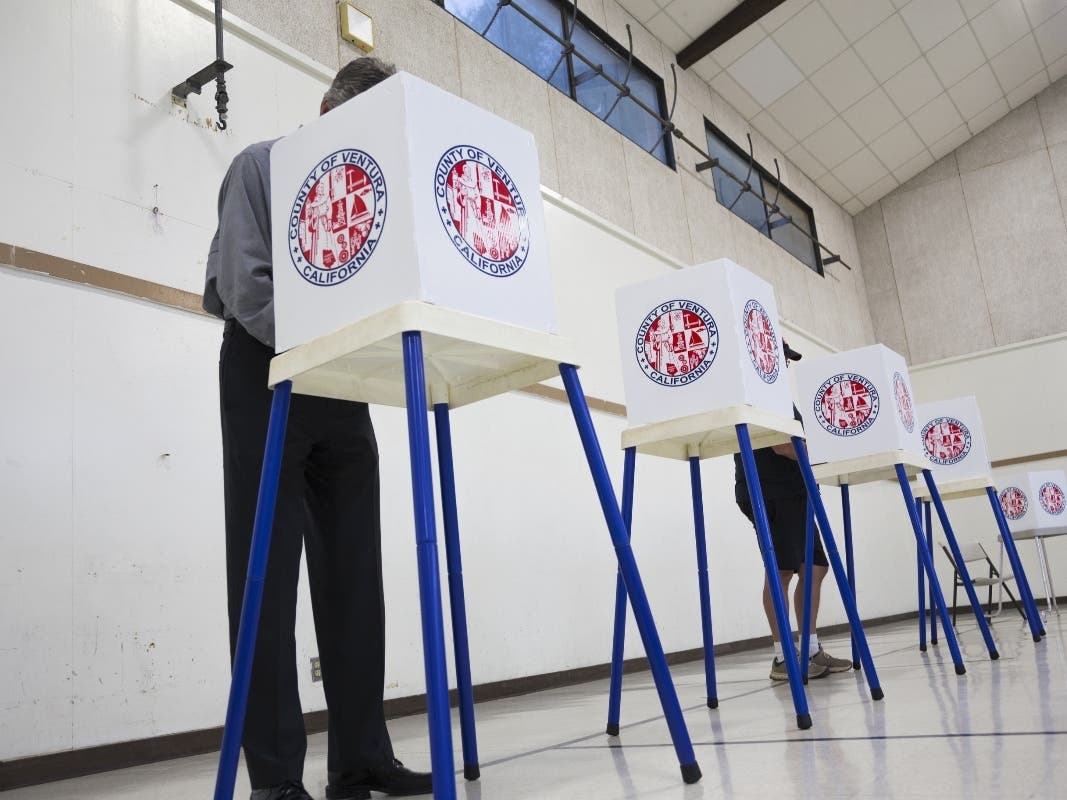
Proposition 1, formally known as the Veterans and Affordable Housing Bond Act of 2026, was placed on the Nov. 3 general election ballot by the Legislature.
If approved, Proposition 1 would authorize $10 billion in general obligation bonds for affordable rental housing and homeownership programs. Another $1.25 billion would support a state program providing home, farm and mobile home purchase assistance to veterans. It's expected to help build about 40,000 new homes or apartments while also helping another 40,000 people become homeowners.
Find out what's happening in Across Californiafor free with the latest updates from Patch.
The measure comes as California faces a persistent housing affordability crisis. State officials say only about 17% of California households can afford a median-priced single-family home, while more than half of renters are considered housing cost-burdened.
Critics contend the bill inflates the state debt while doing little to address the underlying issues causing the housing affordability crisis.
Find out what's happening in Across Californiafor free with the latest updates from Patch.
Where the money would go
The largest share of Proposition 1 funding would support multifamily housing programs. The Legislative Analyst's Office estimates that the measure would provide about $7.2 billion for acquiring, building or renovating rental housing. Other funding would support homeownership assistance and housing for specific populations.
The bond also would provide $1.25 billion in additional funding for the CalVet Home Loan Program. Unlike the $10 billion in general obligation bonds, those bonds would be repaid through veterans' mortgage payments rather than the state's general fund.
Supporters say the measure would help increase the supply of affordable homes and give more Californians a chance to buy a home.
"This is California delivering," Gov. Gavin Newsom said when legislative leaders announced the agreement in June.
The proposal also directs money toward groups facing particular housing challenges, including farmworkers, tribal communities, college students, homeless and at-risk youth, lower-income households and moderate-income first-time homebuyers.
The Cost To Taxpayers
Because most of the bond would be repaid from the state's General Fund, Proposition 1 would increase the state's debt and future spending obligations if voters approve it.
The Legislative Analyst's Office describes the measure as an $11.25 billion bond package consisting of $10 billion in General Fund-supported bonds and $1.25 billion in bonds backed by veterans' home loan payments.
The state would issue the bonds over time rather than borrowing the entire amount at once. That financing approach allows California to make a large upfront investment in housing while spreading repayment costs across future state budgets.
Part of a broader housing strategy
Proposition 1 would build on an earlier statewide housing bond approved by California voters in 2018. That measure authorized $4 billion for affordable housing programs, including assistance for veterans.
The 2026 proposal is substantially larger, reflecting the growing political focus on housing affordability across the state.
California lawmakers have pursued both new housing construction and changes to housing regulations in an effort to address high costs. The Newsom administration has described the new bond as a long-term investment intended to expand housing opportunities while supporting construction and preservation of affordable units.
Get more local news delivered straight to your inbox. Sign up for free Patch newsletters and alerts.