Politics & Government
CA Sets Toughest Plastics Laws In U.S.
Legislation signed by Gov. Gavin Newsom aims to significantly reduce single-use plastic packaging in California.


CALIFORNIA — Major legislation signed by Gov. Gavin Thursday aims to target single-use plastic packaging in California.
Companies selling shampoo, food and other packaged products wrapped in plastic will have 10 years to significantly reduce their use of polluting material.
"We’re ruining the planet and we’ve got to change it," Sen. Bob Hertzberg, a Democrat, said before voting on the bill.
Find out what's happening in Across Californiafor free with the latest updates from Patch.
Under SB 54, plastic producers would have to cut down single-use packaging by 10 percent by 2027, increasing to 25 percent by 2032.
"Our kids deserve a future free of plastic waste and all its dangerous impacts, everything from clogging our oceans to killing animals — contaminating the air we breathe, the water we drink, and the food we eat," Newsom said. "No more. California won’t tolerate plastic waste that’s filling our waterways and making it harder to breathe. We’re holding polluters responsible and cutting plastics at the source."
Find out what's happening in Across Californiafor free with the latest updates from Patch.
That reduction in plastic packaging can be met through a combination of reducing package sizing, switching to a different material or making the product easily reusable or refillable.
READ MORE: EPA’s Power To Regulate CA’s Carbon Emissions Curbed By Supreme Court
By 2032, plastic would have to be recycled at a rate of 65 percent, a massive jump from today’s rates. It wouldn’t apply to plastic beverage bottles, which have their own recycling rules.
The legislation comes directly after the Supreme Court limited the Environmental Protection Agency’s authority to reduce greenhouse gas emissions from existing power plants, representing a significant blow to federal officials’ efforts to fight climate change.
"In this time of extreme polarization in our nation, California was able to show that we can pass strong environmental legislation with bipartisan support that brought together the environmental and business communities," said Sen. Ben Allen (D-Santa Monica), author of the legislation.
Moves made to limit plastic packaging have failed in California's Legislature for years, but the threat of a similar ballot measure going before voters in November prompted business groups to come to the negotiating table. The measure's three main backers withdrew it from the ballot after the bill passed, though they expressed concern the plastics industry will try to weaken the requirements.
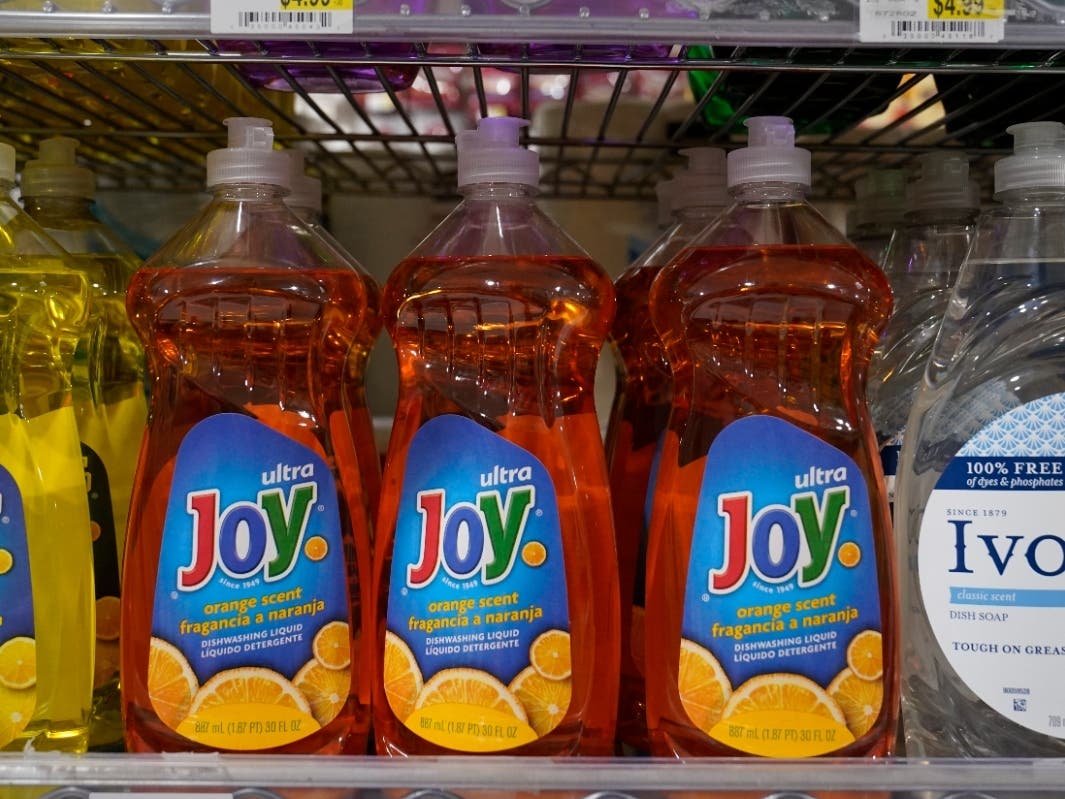
States have passed bans on single-use plastic grocery bags, straws and other items, and plastic water bottles soon won't be allowed in national parks. But the material is still ubiquitous, used in everything from laundry detergent and soap bottles to packaging for vegetables and lunch meats.
Most plastic products in the United States are not recycled, with millions of tons ending up in landfills and the world’s oceans. It harms wildlife and shows up in drinking water in the form of microplastics.
Marine animals that live off the Pacific coast from crabs to whales are ingesting plastics that make their way into the ocean, said Amy Wolfrum, California ocean policy senior manager at the Monterey Bay Aquarium. She called the bill a “fantastic start” to addressing a major problem.
Plastic makers would form their own industry group tasked with developing a plan to meet the requirements, which would need approval from the state's recycling department. They'll be required to collect $500 million annually from producers for a fund aimed at cleaning up plastic pollution. Maine, Oregon and Colorado have similar producer responsibility systems.
It does not ban styrofoam food packaging but would require it to be recycled at a rate of 30% by 2028, which some supporters said is a de facto ban because the material can't be recycled. The ballot measure would have banned the material outright. It would have given more power to the state recycling agency to implement the rules rather than letting industry organize itself.
Sen. Ben Allen, a Santa Monica Democrat who led negotiations on the bill, said it represented an example of two groups that are often at odds — environmentalists and industry — coming together to make positive change.
He called it a “strong, meaningful compromise that will put California at the forefront of addressing a major global problem."
The Associated Press contributed to this report.
Get more local news delivered straight to your inbox. Sign up for free Patch newsletters and alerts.