Politics & Government
California Finally Invested In The Economic Success Of Its Street Vendors
California street vendors have faced barriers that prevented them from growing their business and becoming successful.

November 15, 2022
In summary
Find out what's happening in Across Californiafor free with the latest updates from Patch.
California street vendors have faced barriers that prevented them from growing their business and becoming successful. A new law could increase economic opportunity in this long overlooked sector.
Find out what's happening in Across Californiafor free with the latest updates from Patch.
Guest Commentary written by
Carolina Martinez
Carolina Martinez is the CEO of CAMEO, a California micro-business network.
After Alicia Villanueva emigrated from Mexico to California, she made tamales in her home at night after working multiple jobs during the day. With a baby on her back, she sold them door-to-door to her neighbors every morning before work, visiting auto body shops and job sites throughout Berkeley.
In 2010, after selling tamales for nine years, Villanueva landed a spot at a kitchen incubator and secured financial support from a community development fund. She began selling tamales out of a food cart in San Francisco and her business flourished. Today, Alicia’s Tamales Los Mayas has a factory in Hayward with dozens of employees, and Villanueva’s tamales are sold in Whole Foods and other large retailers.
She was also able to put her kids through college.
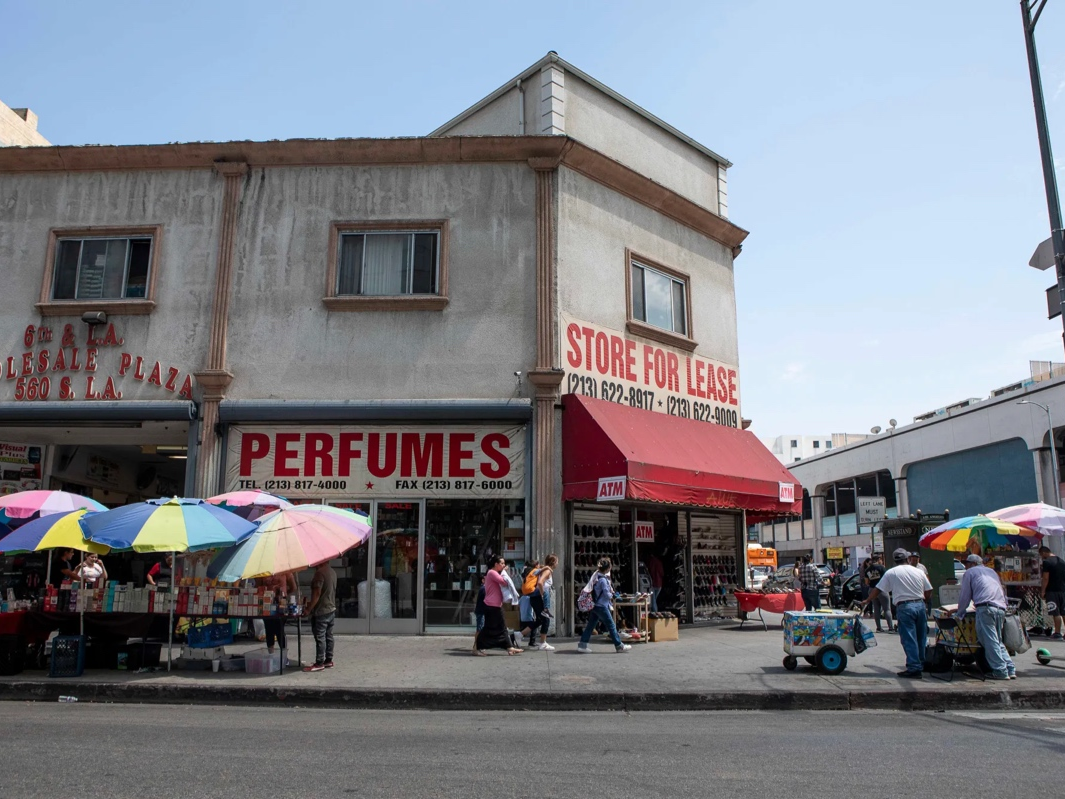
This year, California made an investment in the Golden State’s smallest and most overlooked entrepreneurs – specifically, the street vendors running hot dog carts and home kitchen operators selling delicious treats at farmers markets or from their homes.
These are the smallest of small businesses, and worthy of attention from lawmakers because of their potential to put motivated, hardworking and talented people on a path to business ownership and economic stability. Street vending and home kitchens are common avenues for immigrants, women and people of color to start their own businesses and support their families.
In many cases, they serve as a launching pad for bigger enterprises. In San Francisco, popular Mission District restaurants Reem’s and El Buen Comer both came from women who grew their businesses and followings at local farmers markets.
To harness that promise, the barriers to this kind of entrepreneurship needed to be lowered. The regulatory system often has been expensive and convoluted for street vendors to obtain the required permits, leaving them vulnerable to fines or arrest. Street vendors, home cooks and other so-called microbusinesses are often left behind when governments provide business assistance largely because of administrative and other barriers.
Immigration status, English-only instructions and the need for formal business documentation can discourage vendors from applying.
California policymakers recognized those challenges this year and passed Senate Bill 972, which streamlines the California Retail Food Code and removes barriers to permitting for street vendors, increasing access to affordable carts, permitted kitchens and safe food storage sites.
The law also allows food stamps at farmers markets, which are an important venue for street vendors. Additionally, the law allocates $8 million in grants to nonprofits that provide outreach, education, training and business support to home kitchen operators.
Under the right circumstances, these modest beginnings create meaningful economic opportunities for those who face systemic barriers to entering the mainstream economy, especially women, immigrants, people of color and other disadvantaged groups. In Los Angeles alone, about 12,500 street food vendors generate millions of dollars in revenue each year. Of the 50,000 street vendors throughout LA County, roughly 80% are women, and the majority are people of color, immigrants, seniors or come from a low-income household.
California simplified the recipe for economic success for these entrepreneurs, and deserves credit for allowing them to get cooking.
We want to hear from you
Want to submit a guest commentary or reaction to an article we wrote? You can find our submission guidelines here. Please contact CalMatters with any commentary questions: commentary@calmatters.org
The story you just read was funded by people like you.
CalMatters is a nonprofit newsroom and your tax-deductible donations help us keep bringing you and every Californian essential, nonpartisan information.
I used CalMatters' Voter Guide and I know providing that kind of in-depth information on races is rare and requires staff and effort. I appreciate the resource and want to give back!
Gloria, San Diego
Featured CalMatters Member
CalMatters.org is a nonprofit, nonpartisan media venture explaining California policies and politics. Sign up for our newsletters and follow us on Facebook, Twitter and Instagram.