Politics & Government
Perfect Storm Is Driving Up CA Gas Prices: What To Know
Before the war, California drivers were already paying the highest gasoline prices in the nation.


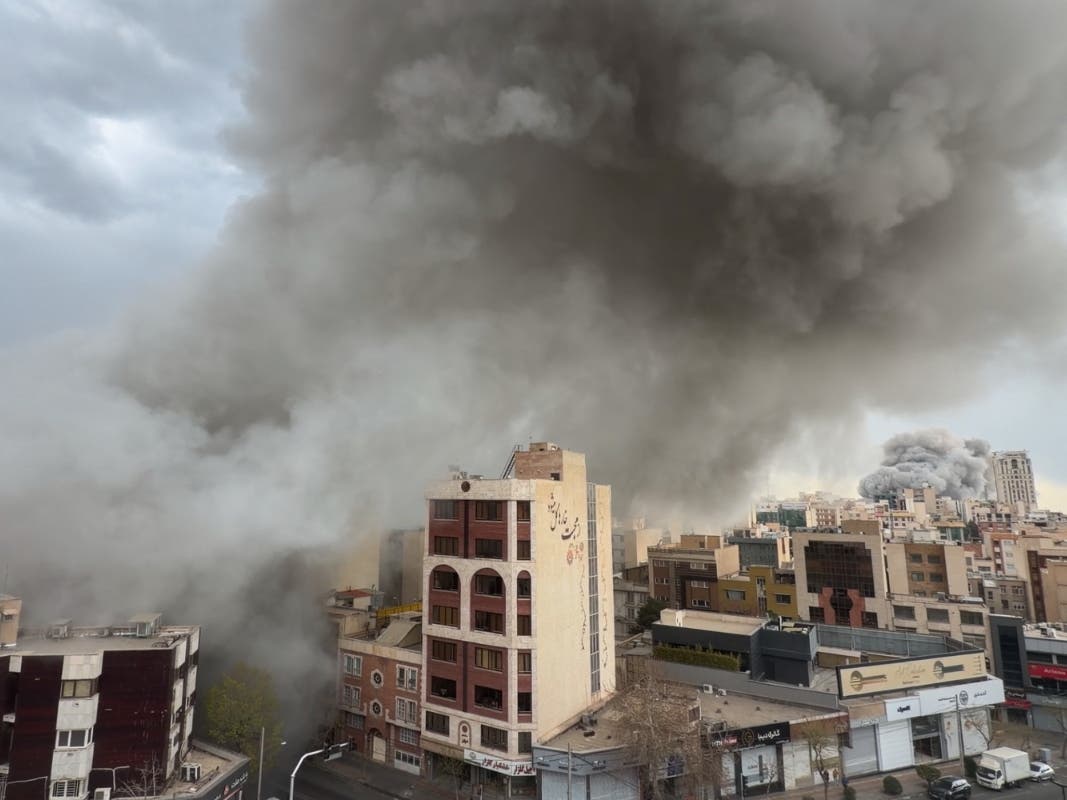
Californians should brace themselves for even higher prices at the gasoline pump as the attacks on Iran are raising crude oil prices.
U.S. crude oil soared more than 7% Monday, while Brent, the international oil benchmark, surged 9%. As a result, U.S. crude oil prices increased by nearly $6 per barrel, NBC News reported.
Retail gas prices move about 2.5 cents for every $1 move in the price of crude oil, so higher pump prices are likely on the horizon for California motorists.
Find out what's happening in Across Californiafor free with the latest updates from Patch.
California drivers already pay the highest gasoline prices in the nation. Two days before the U.S.-Israeli attacks on Iran began, the Automobile Club of Southern California reported that Golden State gas prices had climbed nearly 40 cents a gallon over the previous one-month period.
The war is now a factor. Shipping in the Middle East has slowed. Iranian officials have threatened to attack any ships passing through the Strait of Hormuz.
Find out what's happening in Across Californiafor free with the latest updates from Patch.
Despite Iran’s oil output accounting for less than 5 percent of global production (mostly going to China due to U.S. sanctions), its influence over the Strait of Hormuz remains significant. The strait is a crucial passageway for more than 20 percent of the world’s daily oil demand, and any closure or restriction there would swiftly and severely impact the global oil market, industry analyst Andy Lipow told NBC.
Oil markets are guessing right now at what is going to happen, Severin Borenstein, faculty director of the Energy Institute at UC Berkeley’s Haas School of Business, told the Los Angeles Times.
"It’s a time of extreme volatility,” Borenstein said. “We don’t know whether the war will widen or end quickly, and all of those things will drive the price of crude.”
Complicating the math further for California drivers are the closures of the Valero Energy refinery in Benicia and Phillips 66 in Los Angeles. The shutdowns have reduced refinery capacity, tightening fuel supplies statewide.
"Seasonal refinery maintenance is also temporarily limiting gasoline production, with refineries such as PBF in Torrance undergoing planned work," said Auto Club spokesperson Kandace Redd.
Less production means the Golden State is now more reliant on international imports of oil and gasoline.
Jim Stanley, a spokesperson for the Western States Petroleum Association, told the Los Angeles Times that in 2024, only 23.3% of the crude oil refined in the state was pumped in California, with 13% from Alaska and 63% from elsewhere in the world, including about 30% from the Middle East.
California’s transition to summer-blend gasoline — which is more expensive to produce — is also contributing to higher pump prices.
As of Tuesday, AAA's average gasoline price in California was reported at $4.674, though some counties such as Napa, Sonoma and San Mateo were more than $5 per gallon.
Get more local news delivered straight to your inbox. Sign up for free Patch newsletters and alerts.