Politics & Government
Mandatory CA Water Cuts Loom, 'Aggressive' Conservation Urged
Amid another historic drought, Gov. Gavin Newsom raised the possibility of sweeping mandatory cuts for the state. Here's what we know.


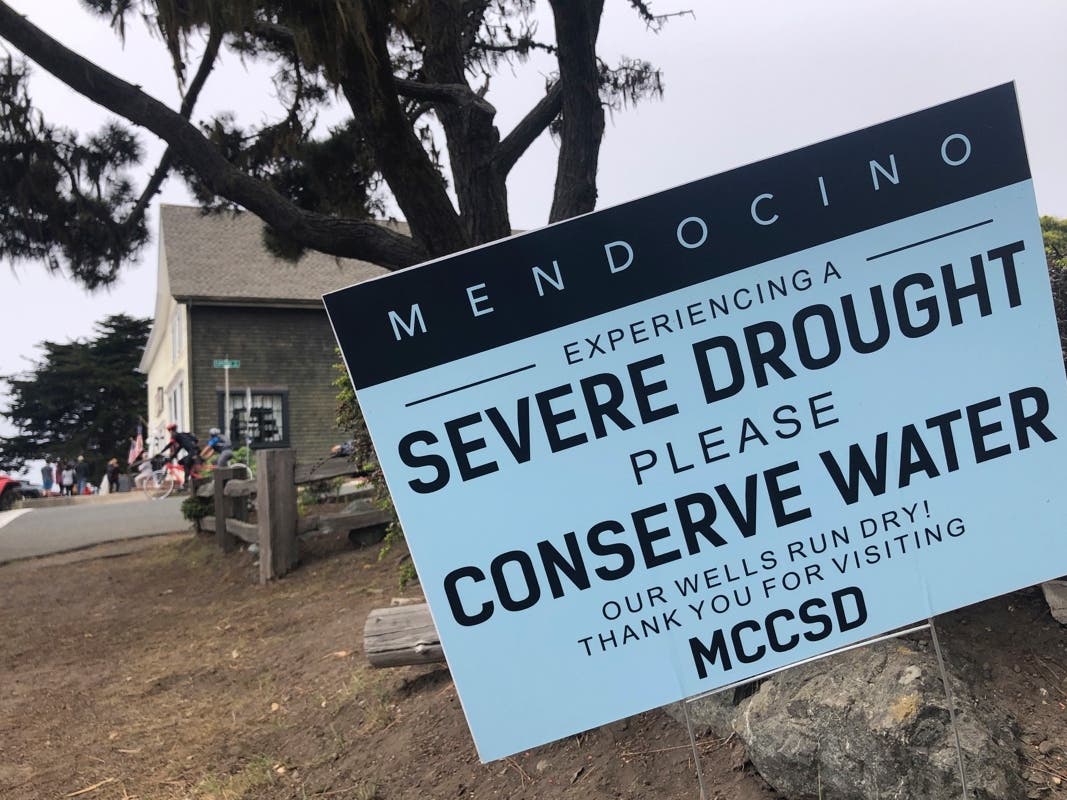
CALIFORNIA — The Golden State continues to dry up under extraordinary drought conditions, and Gov. Gavin Newsom on Monday warned Californians to step up conservation efforts or face mandatory water restrictions.
Newsom met with leaders of the state's major urban water agencies Monday morning, urging them to bolster efforts to save water.
The Democratic governor, who is up for re-election next month, has avoided mandatory cuts since he made calls nearly a year ago for Californians to cut water use voluntarily by 15 percent. Newsom has favored an approach that gave local water suppliers the autonomy to set their own restrictions.
Find out what's happening in Across Californiafor free with the latest updates from Patch.
Last summer, Newsom asked residents to take shorter showers, avoid baths, limit water use for outdoor cleaning and so on. But the state has since fallen short of its 15 percent conservation goal.
Despite calls for conservation, the state's water use went up dramatically in March: by 19 percent, compared to the same month in 2020.
Find out what's happening in Across Californiafor free with the latest updates from Patch.
“Every water agency across the state needs to take more aggressive actions to communicate about the drought emergency and implement conservation measures,” Newsom said in a statement. "Californians made significant changes since the last drought but we have seen an uptick in water use, especially as we enter the summer months. We all have to be more thoughtful about how to make every drop count."
The news comes as temperatures begin to climb and the state leaves the potential for rain in the rearview mirror. January through March is typically when most of California's rain and snow falls; this year, those months were the driest on record.
"After the record-setting December 2021 in many places along the West Coast, it is difficult to fathom how the moisture tap essentially shut down along the West Coast when the ridge of high pressure aloft set up and became reluctant to move anywhere," according to AccuWeather Meteorologist Brandon Buckingham. "However, that is the case this winter, and now we are once again discussing the worsening drought conditions."
Californians last month were urged yet again to conserve as April's snowpack levels fell well below average.
California is in its third year of drought, and virtually all areas of the state are classified as in either severe or extreme drought, according to the U.S. Drought Monitor.
It remains unclear just when Newsom might announce mandatory restrictions. The governor said he planned to meet with water suppliers again in two months to assess.
Newsom's administration was expected to reassess conservation progress in just “a few weeks," his spokesperson Erin Mellon said. She didn't offer a metric the administration would use to make its decision.
The governor has already attempted to force more conservation by local water districts. He has directed the State Water Resources Control Board to weigh a ban on watering decorative turf, such as grass around offices.
The board will vote on those measures Tuesday, and they would take effect June 10.
In Southern California, communities were warned last month that they could face mandatory water cuts if conservation goals were not met, according to the Metropolitan Water District, which provides water to 18 million customers.
"If you don't use your grass, if it is just there to look pretty, please consider instead the beauty of native and California-friendly plants. Not only are they beautiful and save water, they also create important ecosystems for birds and butterflies," said Metropolitan board Chairwoman Gloria D. Gray.
READ MORE: Severe SoCal Water Restrictions Ordered, Water Shortage Declared
"We have to make these finite supplies last the entire year," Metropolitan General Manager Adel Hagekhalil said in a release Tuesday. "If we don't cut back now, we could be limited to providing only enough water to meet health and human safety needs in these communities."
After the last drought that ended in 2016, the state started asking communities to submit drought response plans that detailed six levels of conservation, based on water availability in the state.
Newsom this year asked the board to require local districts to move into "Level 2" of their plans — which reflects a 20 percent water shortage.
Each district can set its own rules for that level, which often includes advice to swap out lawns for California native plants and limit water usage for outdoor recreation.
After the last drought, then-Gov. Jerry Brown ordered mandatory 25 percent cuts in urban water use, and the state water board set requirements for how much each water district had to cut based on their existing water use. Districts in which people used more water were asked to cut more. Water agencies could be fined up to $10,000 per day if they didn't comply.
The state water board has previously imposed some statewide restrictions, such as banning people from watering their lawns for 48 hours after rainstorms and prohibiting the use of sprinklers that run onto sidewalks. Residents can be fined $500 per day for violations.
Current state emergency regulations direct residents to do the following.
- Turn off decorative water fountains.
- Turn off or pause irrigation systems when it's raining and for two days after a rain.
- Use automatic shutoff nozzles on water hoses.
- Use a broom, not water, to clean sidewalks and driveways.
- Give trees just the water they need and avoid overwatering them.
The Associated Press contributed to this report.
Get more local news delivered straight to your inbox. Sign up for free Patch newsletters and alerts.