Business & Tech
Massive, Water-Thirsty Data Centers Proposed In CA's Hottest Communities
A large data center can withdraw more than a million gallons of water per day during hot weather, but developers are eyeing desert towns.


How many mega data centers might land in California, where will they go, what about all the water needed to power them — and what will local residents say?
Two proposals offer clues.
Still in its early stages, a 240-acre project dubbed the Coachella Valley Technology Campus is proposed for the city of Coachella's agriculturally rich east side, and it has already drawn significant resistance from many desert residents.
Find out what's happening in Across Californiafor free with the latest updates from Patch.
The massive project is not the first data center proposed for the Southern California desert. Last month, the Imperial County Board of Supervisors voted 4-1 to make way for a massive data center complex that could rank among the largest in the U.S.
Like the Coachella project, the Imperial County proposal is fiercely opposed by local residents, most of whom are working-class Latinos who don't earn high wages.
Find out what's happening in Across Californiafor free with the latest updates from Patch.
Data centers are often located in "sacrifice zones." In California, those areas are largely populated by Black and Latino residents, a 2025 study found.
The desert data center projects are among about two dozen planned for completion across California by 2030, according to the latest information gathered by analysts at Cleanview, a market intelligence platform.
Not every Golden State city wants the behemoth facilities. Last month, the Oakley City Council voted unanimously to impose a 45-day moratorium that blocks the city from accepting, processing, or approving any land use applications tied to data centers.
The move made Oakley the first Bay Area city to take such action, even as neighboring tech hubs continue to absorb the massive energy demands of AI-driven infrastructure.
Data centers are not new, but their prevalence is rapidly increasing due to the A.I. boom. Where all the water will come from to power them is unclear, especially in the thirsty Southern California desert.
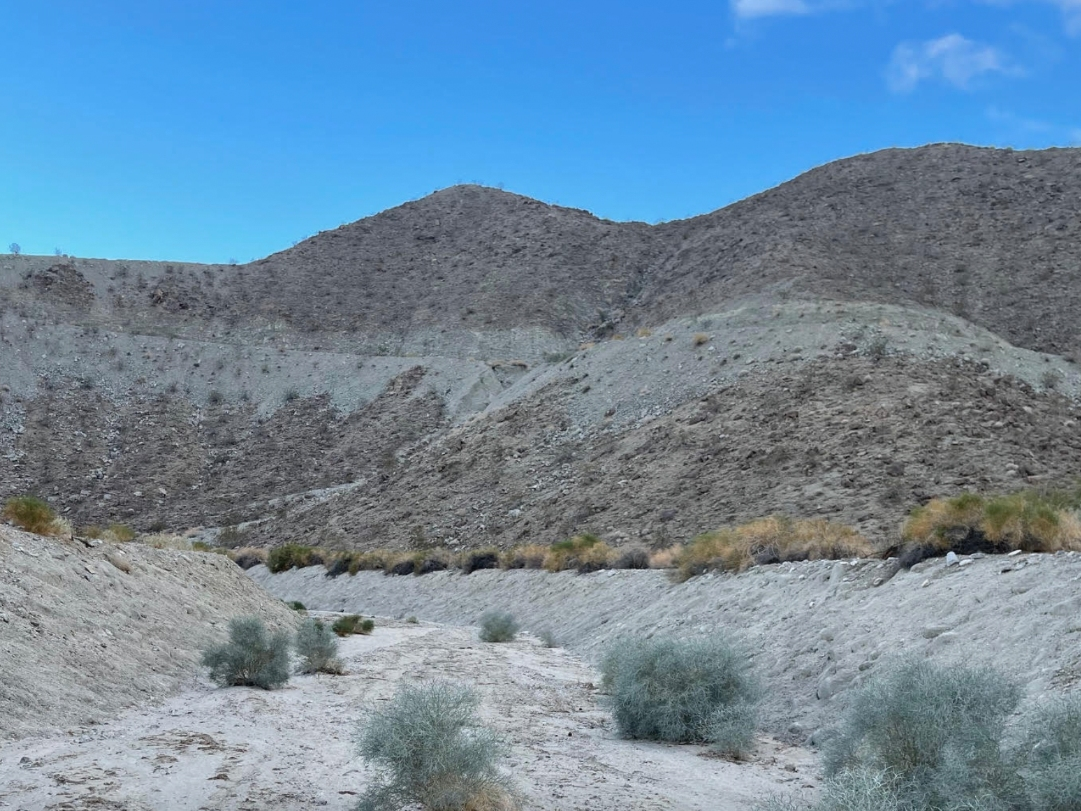
Located In a parched valley plagued by dust pollution, Coachella Valley Technology Campus has locals worried about energy and water needs, and noise and air quality.
But the project has yet to come before the Coachella Planning Commission, and it's not on this week's regularly scheduled commission meeting agenda.
Once a completed application for the project is submitted to the city, a full environmental review would be required, and that could take months or even years.
Given the community's fiery opposition to the project, the city of Coachella is hosting a community town hall regarding the proposal. The event takes place 6-8 p.m. Monday, May 11, at the Boys & Girls Club of Coachella Valley, 85350 Bagdad Avenue.
The project’s developer, Stronghold Power Systems, did not immediately respond to a request for comment, but the Riverside-based company has shared many details about the proposal on its website.
The company calls the project "a master-planned data center development designed to support critical digital infrastructure ... ."
The project's initial development phase includes three data center buildings, each approximately 1 million square feet, with a rated capacity of 90 megawatts per facility, totaling approximately 270 megawatts of capacity, according to Stronghold Power Systems.
"The campus is designed for scalable expansion to support future growth," according to the company.
In the desert, water is always a concern, and massive amounts of water are used in data centers, primarily to cool down servers.
According to Stronghold, however, the proposed project "is expected to use approximately 40% less water than the current agricultural operations on the site, due to efficient cooling systems and the elimination of irrigation demand."
That argument will have to be sussed out in yet-to-released environmental documents.
The city of Coachella has been in talks with Stronghold for a long time. Earlier this year, the Coachella City Council reached a Municipal Utility Development agreement with Stronghold, establishing a public-private partnership called Coachella Municipal Utility. The pact had been in development since 2019, according to Stronghold.
In a February news release, the company stated, "This milestone agreement formalizes Stronghold’s role as the City’s development and operations partner, responsible for the design, financing, construction, and long-term operation of energy infrastructure needed to support future growth in Coachella’s eastern service area."
The proposed data center project is being developed "in coordination" with the city of as part of the ongoing implementation of the Coachella Municipal Utility, according to Stronghold.
A research team at the University of California, Riverside, recently found that data centers could collectively require 697 to 1,451 million gallons per day of new water capacity nationally through 2030. New York City’s average daily supply is about 1,000 million gallons per day.
Billions of dollars in new infrastructure is needed to meet spikes in data center water demands during peak usage, but even if you have money, the water source is another challenge, said Shaolei Ren, an associate professor in UC Riverside’s Bourns College of Engineering, who led the research.
"In many cases, the water is naturally replenished by snowpack and reservoirs. But reservoirs and snowpack are limited. You may have money to build treatment plants and pipes, but money can’t buy more snowpack," according to Ren.
During hot weather, a large data center can withdraw more than a million gallons of water per day, and some facilities under construction have been allocated up to eight million gallons daily, enough to supply multiple small towns, the study found.
In the Coachella and Imperial valleys, temperatures regularly exceed 110 degrees in the summer.
"People recognize power as a constraint for data center growth," Ren said, "but most of them haven’t realized water is a hidden and even more binding constraint in many communities."
Get more local news delivered straight to your inbox. Sign up for free Patch newsletters and alerts.