Real Estate
Millions Of CA Homeowners To Be Hit With Costly New Rule
California's new Zone Zero requirements will change what many homeowners can plant, build or keep within five feet of their homes.


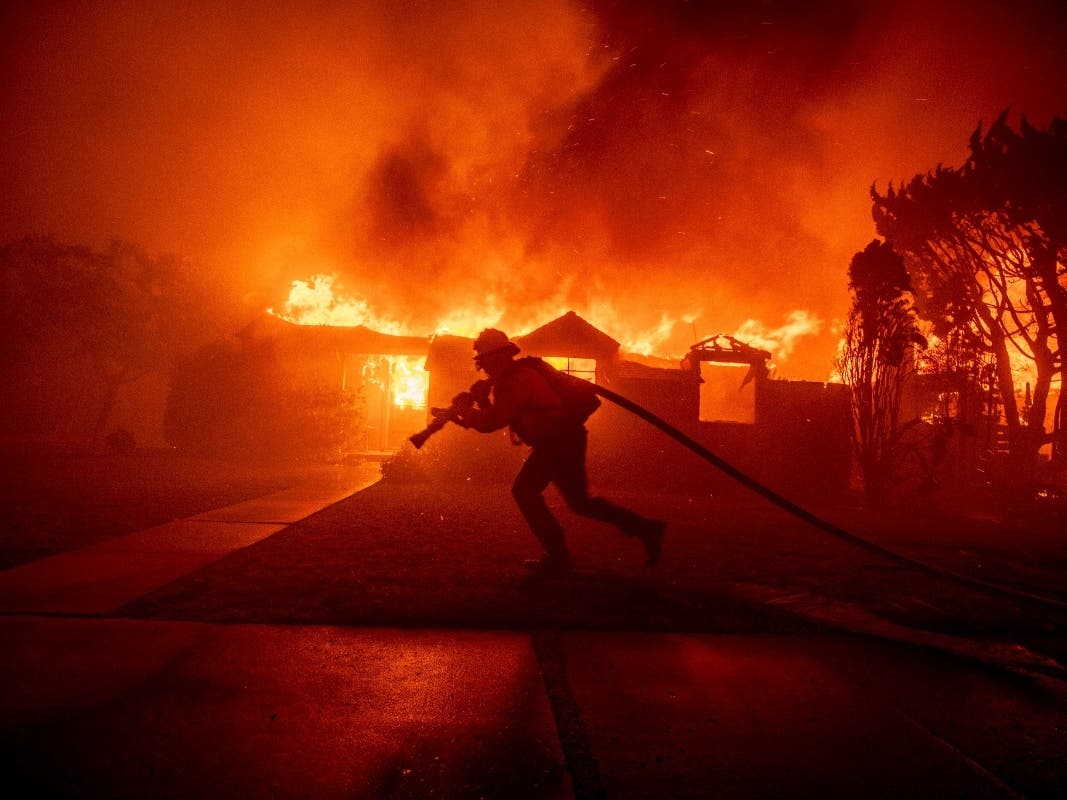
CALIFORNIA — Nearly 1.75 million California homes could be affected by sweeping new wildfire safety rules restricting plants, wooden fences and other combustible materials within five feet of homes in some of the state's most fire-prone areas.
The California Board of Forestry and Fire Protection unanimously approved the new "Zone Zero" regulations Wednesday, creating a new ember-resistant layer within the state's existing defensible-space requirements.
The requirements apply to properties in State Responsibility Areas and Very High Fire Hazard Severity Zones within Local Responsibility Areas. The San Francisco Chronicle estimated the rules will affect about 1.75 million homes, or roughly 10% of California's housing.
Find out what's happening in Across Californiafor free with the latest updates from Patch.
The regulations must still complete the state's administrative process before taking effect. New construction will be subject to the requirements once they become effective, while the rules will be phased in for existing homes over five years.
The measures are intended to reduce the risk that wind-driven embers ignite vegetation or other combustible material close to a structure, allowing flames to spread to the home.
Find out what's happening in Across Californiafor free with the latest updates from Patch.
What Can Stay — And What Has To Go?
Despite the Zone Zero name, the regulations do not impose a blanket ban on all plants within five feet of a home.
Materials including firewood, wood chips, combustible mulch and accumulated dead vegetation will be prohibited within Zone Zero. Existing trees can remain if properly maintained, although new trees will not be allowed within the zone.
The strictest requirements apply immediately next to structures. Vegetation must be removed within at least one foot of a building, or out to the edge of its eaves, whichever extends farther, along with additional clearance around windows, doors, vents and attached decks.
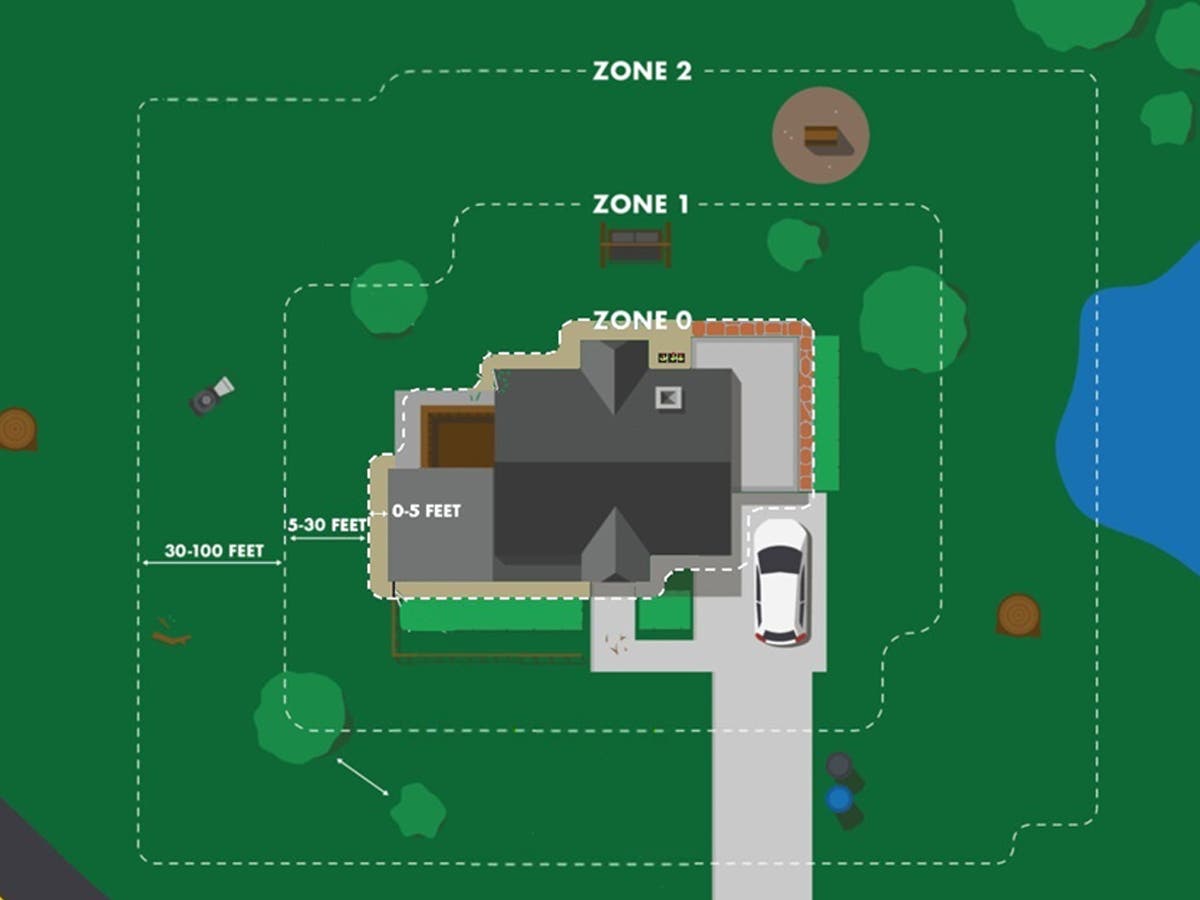
Outside those immediate buffers but still within the five-foot Zone Zero area, some maintained vegetation may remain, including certain low-growing plants, maintained lawns and small plants in noncombustible containers.
Existing trees must also be maintained to reduce fire risk, including removing dead material and keeping branches away from chimneys and roofs.
New combustible fences and gates will be prohibited within Zone Zero. Existing fences connected to a home will ultimately need a noncombustible section where they meet the structure.
Homeowners Get Years To Comply
Owners of existing homes will not be required to make every change immediately.
The rules are expected to be phased in over five years for existing structures, with compliance beginning three years after the regulations are formally published. Local fire authorities will have a role in implementing and enforcing the requirements.
The potential cost of complying has already raised concerns among homeowners. KTLA reported that some residents in Altadena, where thousands of homes were destroyed in the January 2025 Eaton Fire, questioned who would pay for changes to properties that have only recently been rebuilt.
Mandeville Canyon Association President Dave Lefkowith told KTLA that requiring homeowners to spend thousands of dollars on vegetation changes could cost billions statewide and argued that vegetation management alone would not provide sufficient wildfire protection.
Other residents supported the changes, telling the news station the measures could help reduce damage when future wildfires strike.
The rules stem from legislation directing the Board of Forestry to establish an ember-resistant zone within the first five feet around structures as California seeks to reduce losses from increasingly destructive wildfires.
Get more local news delivered straight to your inbox. Sign up for free Patch newsletters and alerts.