Crime & Safety
Yosemite Fire Explodes; Heat Hampers Battle To Save Giant Sequoias
The Washburn Fire more than doubled in size since Saturday, threatening the Sequoias and forcing campers and the town of Wawona to evacuate.


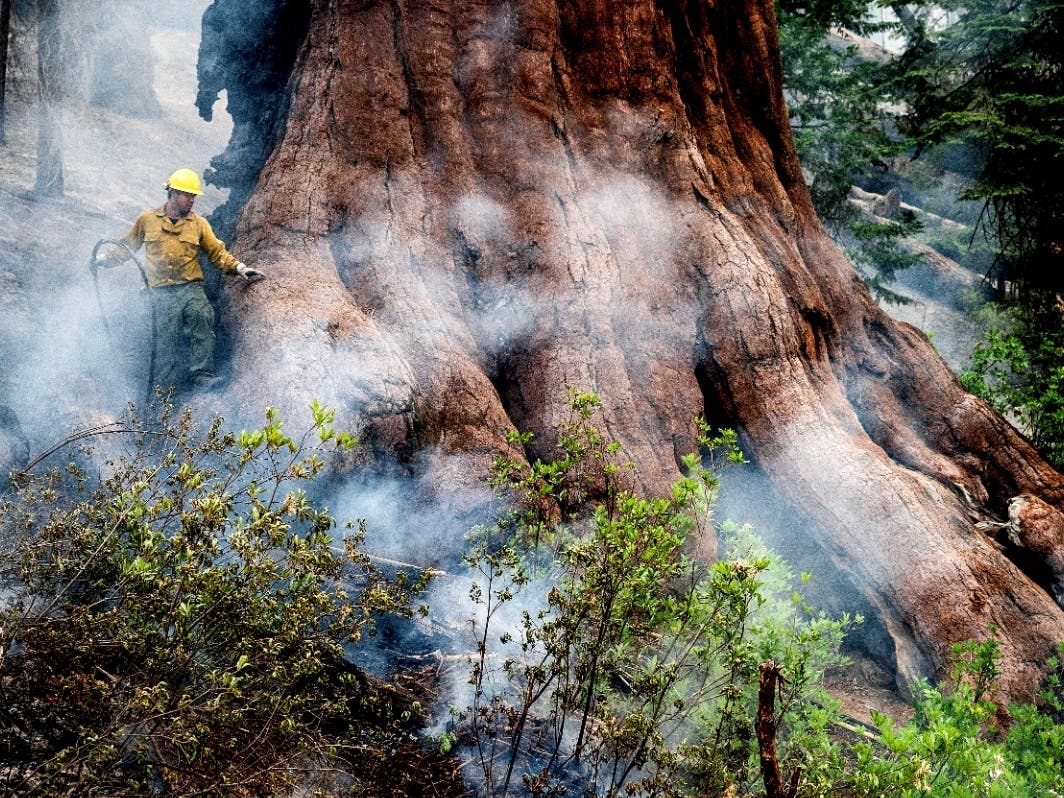
YOSEMITE NATIONAL PARK, CA — Weather conditions took a turn for the worse Sunday, hampering firefighting efforts as the Washburn Fire more than doubled in size, exploding to more than 1,591 acres in Yosemite National Park.
The wildfire forced hundreds of campers and residents to evacuate while also threatening more than 500 mature sequoias in the iconic Mariposa Grove. Crews managed, thus far, to save most of the giant trees, including the 3,000-year-old Grizzly Giant.
A heatwave descended upon the region Sunday, making conditions increasingly hot and dry for firefighters, who are battling challenging terrain. The conditions are expected to worsen going into the week as temperatures are expected to reach the low 90s. Smoke from the fire is creating unhealthy air quality conditions across the Bay Area.
Find out what's happening in Across Californiafor free with the latest updates from Patch.
“Today is turning out to be hotter and drier,” U.S. Forest Service spokesman Stanley Bercovitz told The Los Angeles Times. “That makes conditions harder for the firefighters and better for burning, unfortunately.”
The cause of the blaze remains unknown. The flames are threatening the small mountain town of Wawona and forced the closure of Highway 41.
Find out what's happening in Across Californiafor free with the latest updates from Patch.
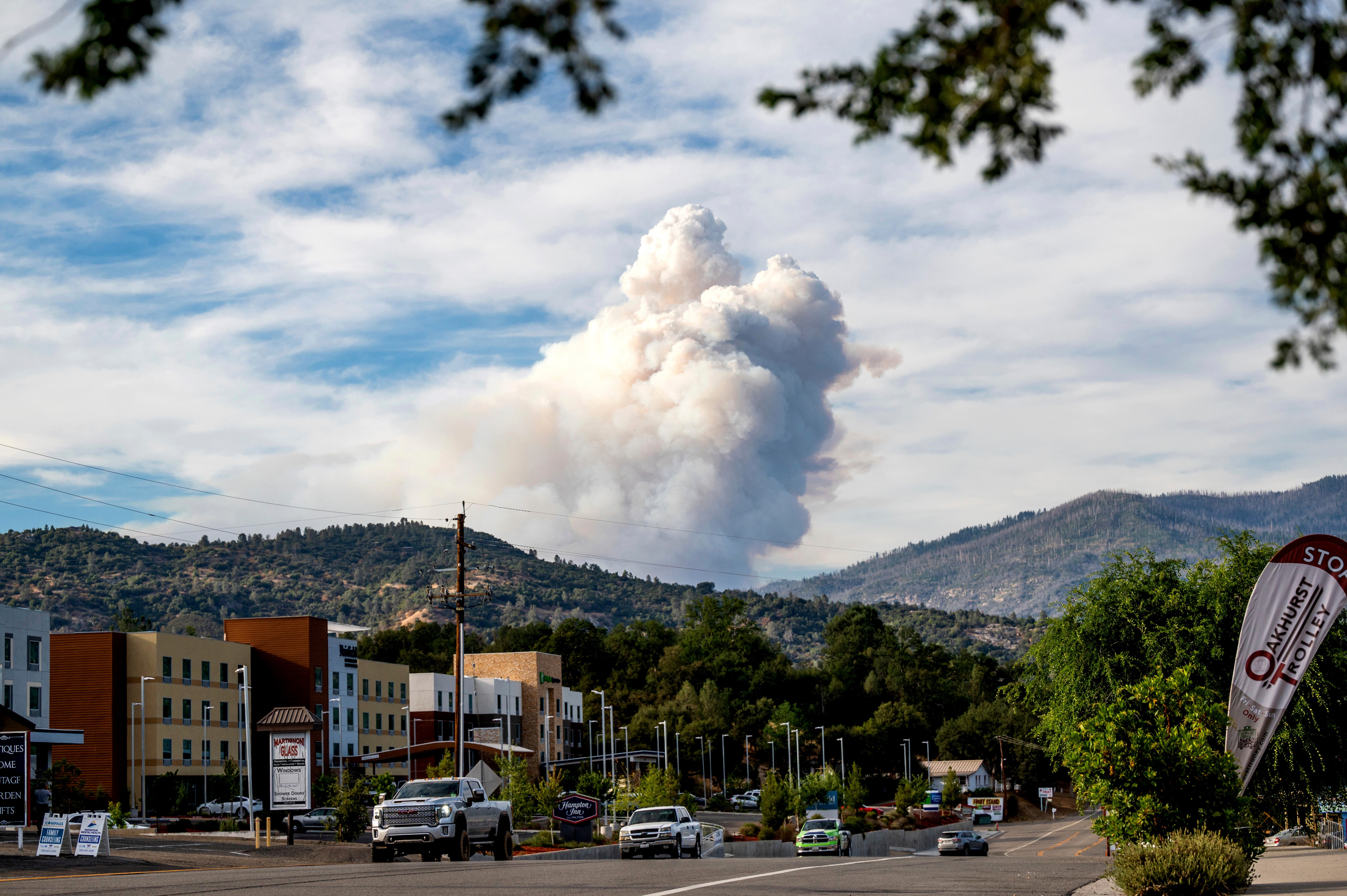
Campers and residents near the blaze were evacuated but the rest of the sprawling park in California remained open, though heavy smoke obscured scenic vistas and created unhealthy air quality.
“Today it's actually the smokiest that we’ve seen,” Nancy Phillipe, a Yosemite fire information spokesperson, said Sunday. “Up until this morning, the park has not been in that unhealthy category, but that is where we are now.”
Crews continued to focus their firefighting efforts on the park's famed sequoia grove. A sprinkler system set up within the grove kept the tree trunks moist and officials were hopeful that the steady spray of water along with previous prescribed burns would be enough to keep flames at bay, Phillipe said.
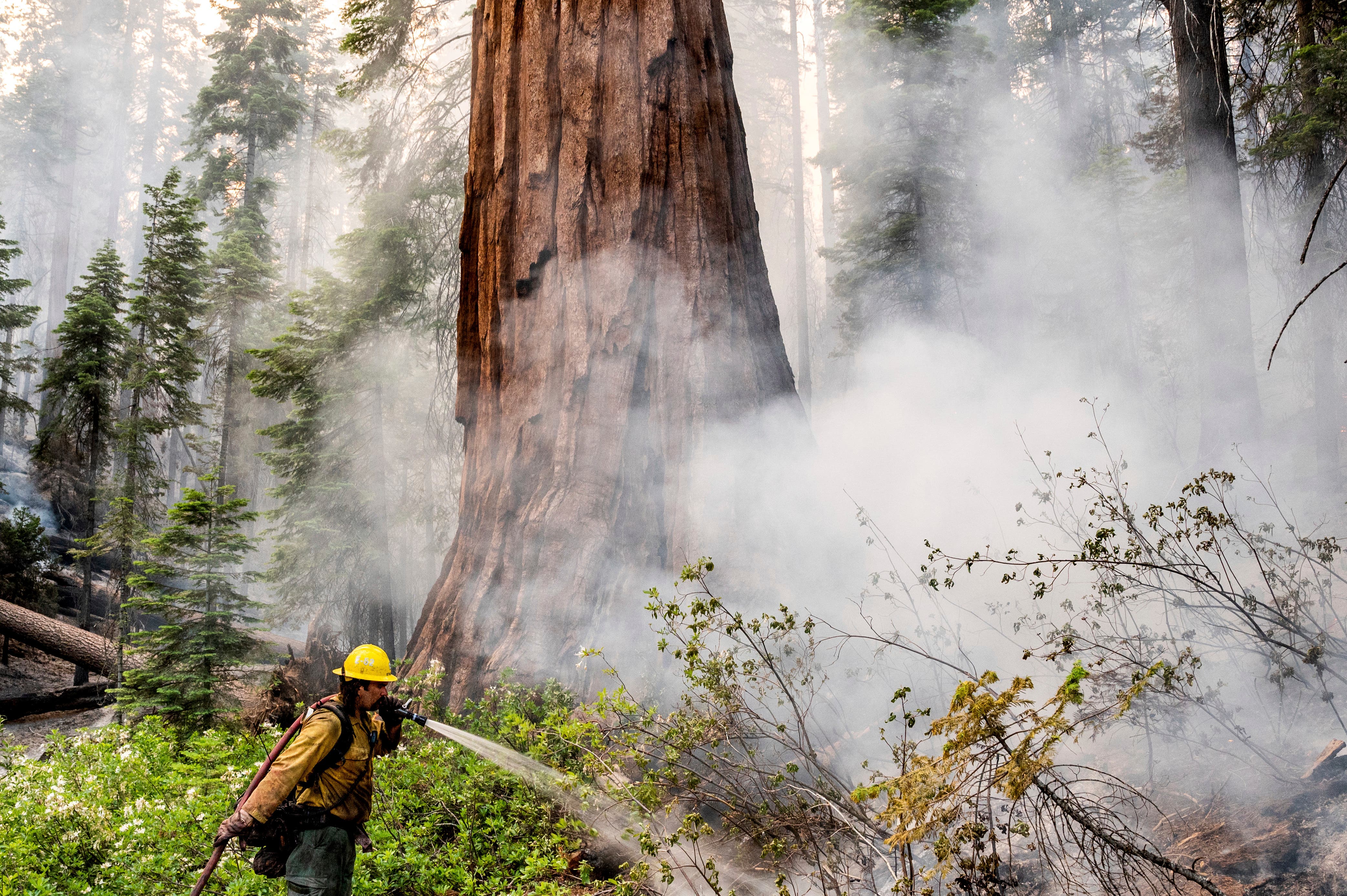
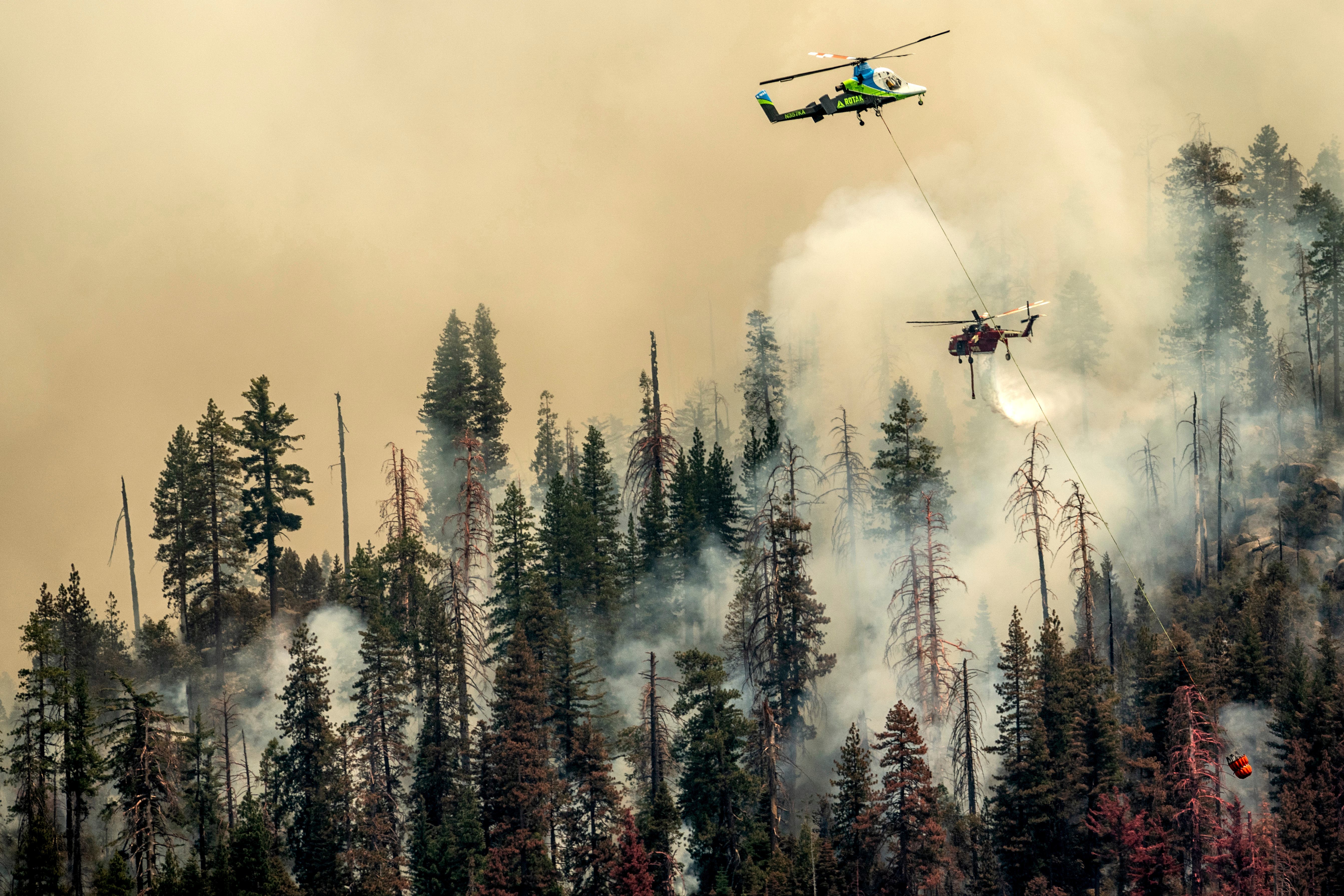
Hundreds of firefighters are battling the blaze from the ground and air. In addition to supertanker air drops, crews worked in the Mariposa Grove to scrape away the ground cover to bare soil in an effort to starve the flames.
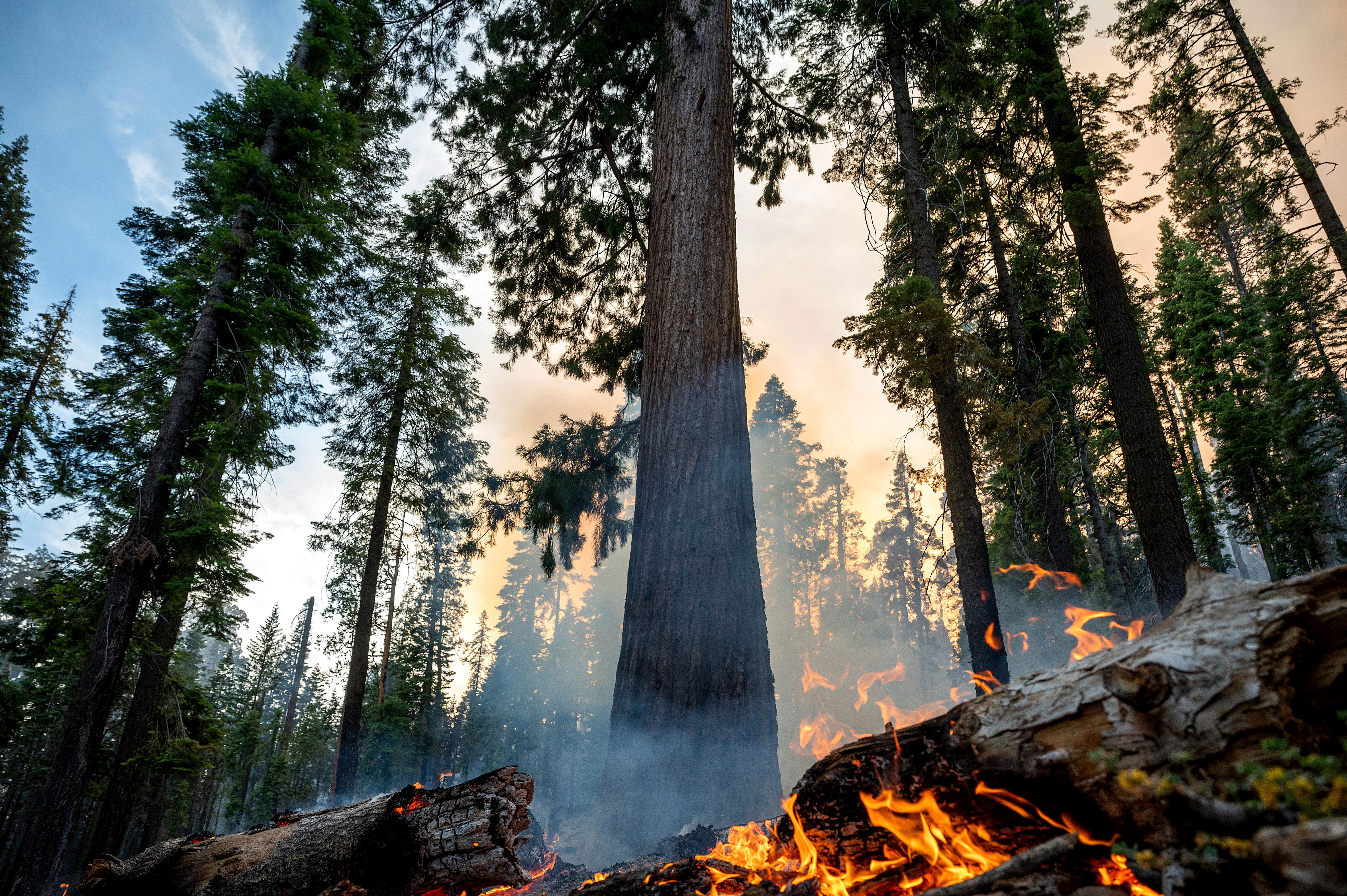
At times the battle grew pitched over the weekend. The intense wind drove flames and embers hundreds of feet into the air even threatening a firefighting aircraft.
The Los Angeles times quote a pilot's exchange with fire dispatchers Saturday:
“A branch went over the top of us,” the pilot reported to dispatchers. “Pretty good size, probably 50 feet above us coming down and fell right between tanker 103 and myself.”
“OK, copy. So like a repeat of yesterday,” a dispatcher said.
"That’s exactly what I’m getting at,” the pilot responded. “So if we keep seeing that, we might have to knock it off. I don’t want to take a chance of busting a window on an airplane or hurting an aircraft for this.”
The blaze had grown to nearly 2.5 square miles (6.7 square kilometers) by Sunday morning, with no containment.
Beyond the trees, the community of Wawona, which is surrounded by parkland, was under threat, with people ordered to leave late Friday. In addition to residents, about 600 to 700 campers who were staying at the Wawona campground in tents, cabins and a historic hotel were ordered to leave.
Fire crews working in steep terrain were not contending with intense winds, said Jeffrey Barlow, senior meteorologist with the National Weather Service in Hanford.
The giant sequoias, native in only about 70 groves spread along the western slope of California’s Sierra Nevada range, were once considered impervious to flames but have become increasingly vulnerable as wildfires fueled by a buildup of undergrowth from a century of fire suppression and drought exacerbated by climate change have become more intense and destructive.
Phillipe, the park spokesperson, previously said some of the massive trunks had been wrapped in fire-resistant foil for protection, but she corrected herself on Sunday and said that was not the case for this fire. However, crews have wrapped a historic cabin in the protective foil, she said.
Lightning-sparked wildfires over the past two years have killed up to a fifth of the estimated 75,000 large sequoias, which are the biggest trees by volume and a major draw for tourists to the national park that's the size of the state of Rhode Island.
There was no obvious natural spark for the fire that broke out Thursday next to the park's Washburn Trail, Phillipe said. Smoke was reported by visitors walking in the grove that reopened in 2018 after a $40 million renovation that took three years.
A fierce windstorm ripped through the grove over a year ago and toppled 15 giant sequoias, along with countless other trees.
The downed trees, along with massive numbers of pines killed by bark beetles, provided ample fuel for the flames.
Meanwhile, most evacuation orders were lifted Saturday in the Sierra foothills about 80 miles (128 kilometers) to the northwest of the Yosemite fire, where a fire broke out on July 4. The Electra Fire that began near Jackson was mostly contained, and only areas directly within the fire’s perimeter remained under evacuation orders, according to the California Department of Forestry and Fire Protection.
So far in 2022, over 35,000 wildfires have burned nearly 4.7 million acres in the U.S., according to the National Interagency Fire Center, well above average for both wildfires and acres burned.
The Associated Press and Patch Staffer Paige Austin contributed to this report.
Get more local news delivered straight to your inbox. Sign up for free Patch newsletters and alerts.