Business & Tech
The Solar Power Difference
Going solar makes good financial and environmental sense these days.
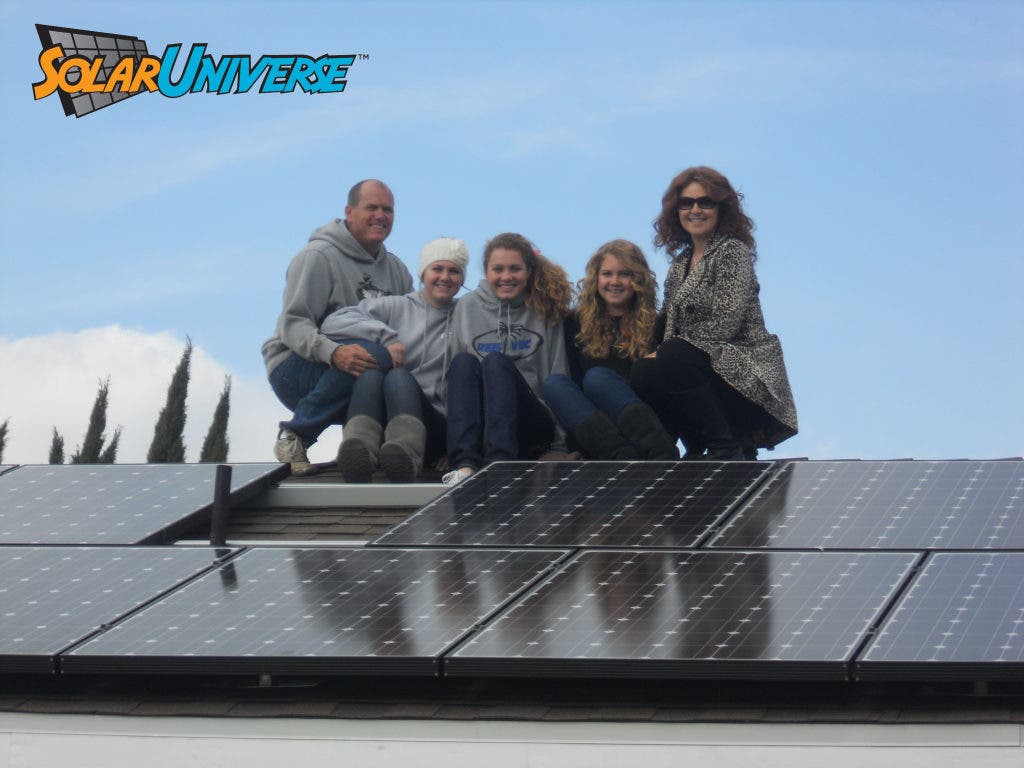


Have you ever noticed those shiny solar panels on your neighbors’ rooftops and thought about installing them on your home?
“It was a no-brainer decision,” said Rod Seeley, who had the panels installed in 2010.
The solar buzz
Find out what's happening in Agoura Hillsfor free with the latest updates from Patch.
Like most savvy consumers, the local resident did due diligence and shopped around for the best deals around town. He came across an ad for Solar Universe, a solar panel provider with headquarters in Northern California and 35 offices in seven states.
Seeley wasted no time in calling their Westlake Village office. “I’ve had terrific service from day one, and they walked me through the whole process,” he said.
Find out what's happening in Agoura Hillsfor free with the latest updates from Patch.
“Solar Universe in Westlake has been around since 2007 and owns the rights to Ventura and LA counties,” said Kerry Fries, lead generation manager.
Fries talked about the rapid growth of the solar panel installation industry in the last decade alone. “The industry as a whole has grown by 600 percent,” he said.
“It’s really the way to go these days, especially with all the incentives available to consumers,” said Fries. “The incentives are driving solar energy in the right direction.”
Making it affordable
Making a difference in the environment is just one of the many good reasons to go solar, according to Fries.
“However, it will also make a difference in your pocketbooks,” he said. “The return of investment is approximately 20 to 30 percent, and there is no catch.”
The federal tax credit alone is 30 percent, with no upper limit, and will be in effect through 2016.
In Southern California, Edison has rebates available to help reduce the costs of going solar. “What happened was, California put the pressure on Edison to take advantage of renewable energy sources, including solar and wind power,” said Fries.
The Database of State Incentives for Renewables and Efficiency (DSIRE) also has a listing of the incentives available per state.
Financing options also available. Leasing is the most common option, with no money out and short terms, typically ranging from three to five years.
At the end of the lease term, homeowners have three options: remove the panels, extend the terms or purchase the panels.
Seeley used all the rebates available and purchased the solar panels. “The panels will be ours in five years,” he said, describing the financing option of which he availed.
Homeowners can also tap into their home equity or seek financing from their banks.
“Of course the savings will vary from one homeowner to the next, depending on how much sun the house gets, the pitch of the roof, the type of converters, etc.,” said Fries. “But the average out-of-pocket expense is about 50 percent, after all the rebates have kicked in.
Making it worthwhile
Seeley had 26 panels installed in his home, generating about 78 percent of electricity that he and his family needs. Edison supplies the remaining 22 percent, netting a 12-month bill of about $150.
“This particular area [where I live] gets a lot of good sun,” he said, noting that a few of his neighbors have also started going the solar route.
The solar panel systems have varying sizes available. “That’s our job, to help you determine what your family needs based on your past electric bills and a few other factors,” said Fries.
A homeowner in Westlake Village who had a 7.26 kW-system installed claims that his “bill was so small at $0.97 that Edison did not bother sending it out.”
Aside from the significant savings, there are long-term benefits, too. Solar panels can significantly appreciate the value of your home by $30,000 to $40,000 at least, he said.
“It’s a long-term investment,” said Seeley. “You’ll see the huge advantage when the time comes for you to sell.”