

I love to immerse myself in a good book. When I attend a seminar, I take meticulous notes and carefully detail each spoken point. I rarely actually read my notes after the discussion and yet I am able to retain much of the information. How is that possible? The answer is simple. I am a Visual Learner. If I fail to take the notes that I never look at, I won’t remember nearly as much as if I take those notes. I remember because I see it and when I see it, I learn it.
Educational pioneer Howard Gardner studied the way in which children learn. As he carefully watched and documented what he observed, he eventually came to the conclusion that people learn in eight different ways. Some of us may take on two or three of these intelligences. Others may have small parts of several with one more dominant style guiding their actions.
Just being aware that children have different learning styles helps teachers to create and plan lessons with various modalities intertwined. By adding activities to motivate various learning differences, we are able to reach out to all of our students with multiple opportunities for academic growth.
Find out what's happening in Aliso Viejofor free with the latest updates from Patch.
In addition to Visual Learners, these are the other ways children might learn:
- Spatial Learners are very aware of the environment that surrounds them. They may enjoy drawing detailed pictures and solving puzzles. Graphs, charts and pictures will help them retain a concept.
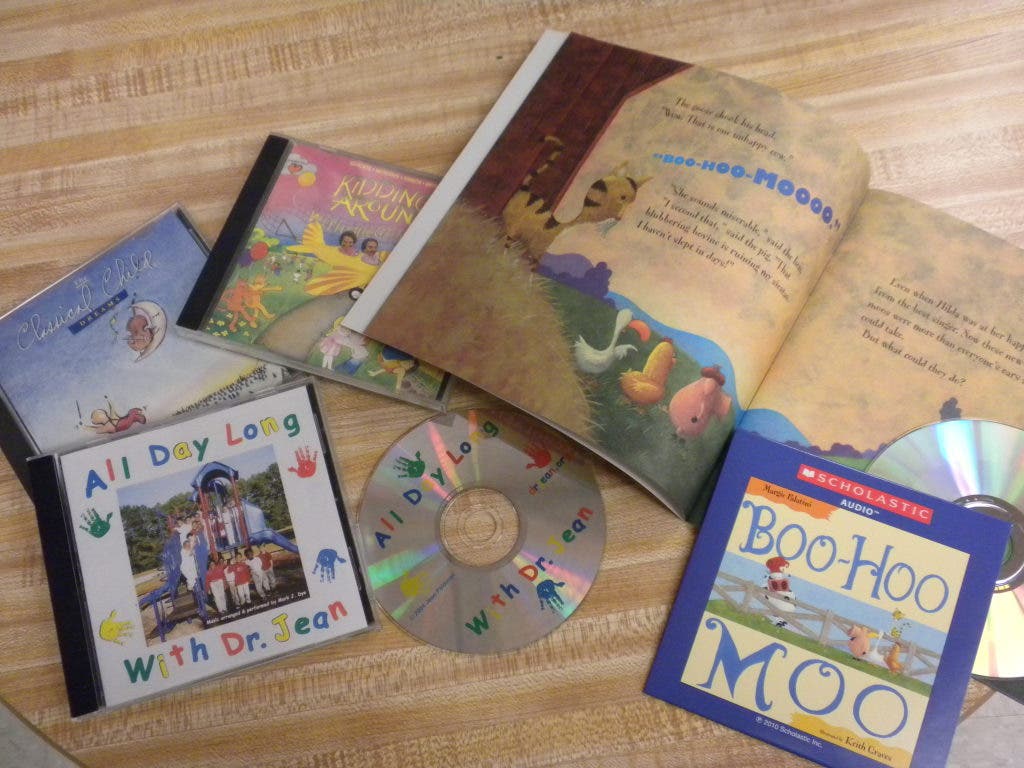
- Musical Learners love to listen to the patterns that they can hear in a song or chant. They may concentrate better with a little Beethoven softly playing as they work.
- Kinesthetic Learners understand a concept better when they can “feel” it. They are often graceful or athletic. Give a young Kinesthetic Learner some magnetic letters to feel if they are struggling with identifying the alphabet.
- Linguistic Learners love to play games that involve words or word play. They might enjoy rhymes or poems and are likely to be curious about the meaning of words. Their auditory skills are very developed.
- Logical Learners may make great little investigators as they study, reason and calculate. They enjoy math and solving mathematical problems and puzzles.
- Interpersonal Learners enjoy bantering with friends. They love interacting with others, are empathetic and seem to really understand the needs of others. Team work and classroom activities such as “Think, Pair and Share” are great for them.
- Intrapersonal Learners are those children who may seem to “beat to a different drummer.” In reality, they are the most independent of all learners. They enjoy watching others and tend to be a little on the “quiet side”. They enjoy reading and writing and are very “in tune” with their own interests.
- Naturalist Learners respond to nature. They may be fascinated with animals or curious about changes in the weather. Spending time outdoors will benefit these little learners.
When you identify the ways in which your child learns, it will help you to better understand what motivates them!