Health & Fitness
Pancreatic Cancer-Fighting Breakthrough Announced by City of Hope Researchers
Researchers at City of Hope say they created a therapy that effectively uses Salmonella bacterium to kill tumors.


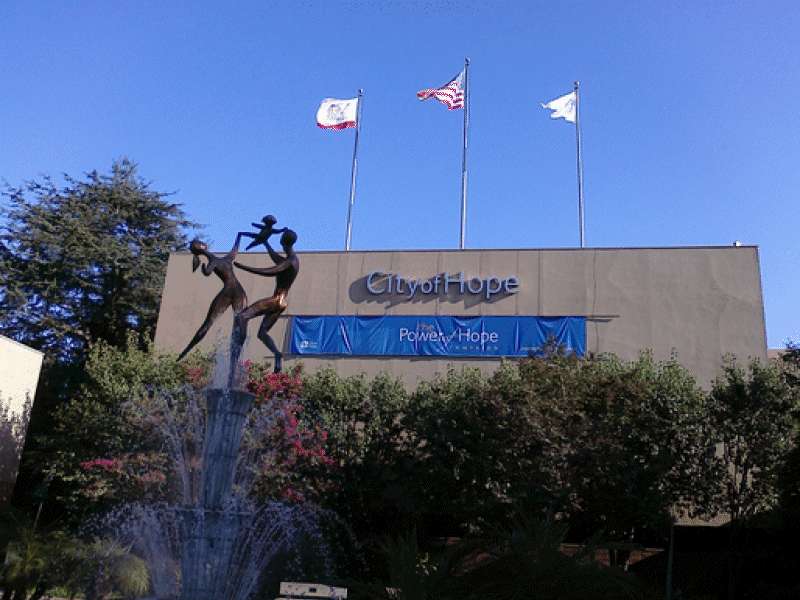
Researchers at the City of Hope said in a study published today that they have created a therapy that uses the Salmonella bacterium to combat pancreatic ductal adenocarcinoma, an aggressive form of pancreatic cancer.
Patients with pancreatic ductal adenocarcinoma currently have few good therapeutic options, with most medications able to increase survival by only a few months while exacting a high physical toll, City of Hope said in a statement, adding that an engineered Salmonella bacterium is expected to be the exception.
In a new study in the journal Cancer Immunology Research, published by the American Association for Cancer Research, the researchers say that a specific bacterial-based therapy is able to home in on tumors and trigger “an extremely effective tumor-killing response.”
Find out what's happening in Aliso Viejofor free with the latest updates from Patch.
The study, involving laboratory mice, found that the therapy frequently triggered the complete regression of pancreatic tumors and significantly extended survival, the statement said.
“The results were, in a word, remarkable,” said lead researcher Don J. Diamond, Ph.D., who chairs the Department of Experimental Therapeutics at City of Hope. “This method has the potential to treat a variety of cancers that share similar features to pancreatic ductal adenocarcinoma, currently one of the most difficult-to-treat cancers and one for which we desperately need better options.”
Find out what's happening in Aliso Viejofor free with the latest updates from Patch.
Bacteria-based therapies have been used to treat solid tumors for decades and are commonly used to treat bladder cancer, but the success of such therapies has been limited by many tumor defenses. In the new study, Diamond and his colleagues engineered the bacterium Salmonella typhimurium to crack those defenses.
The researchers did so by transforming the bacterium to carry a piece of DNA that targets a molecule known as IDO, which camouflages cancer cells and prevents the immune system from recognizing and killing the tumor, the statement said.
City News Service
Get more local news delivered straight to your inbox. Sign up for free Patch newsletters and alerts.