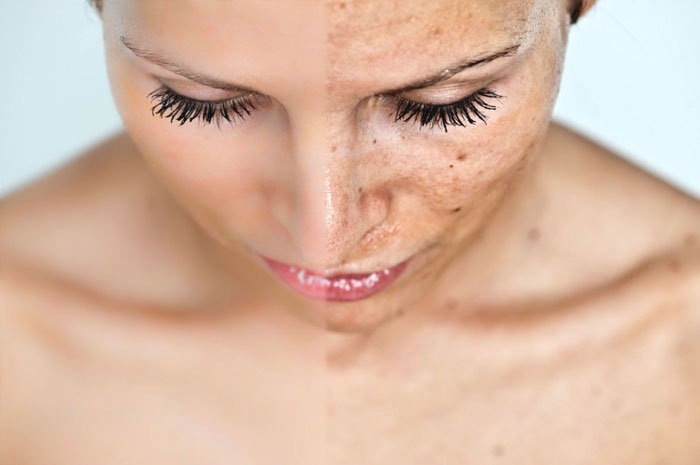
For most people who have it, melasma is a chronic skin disorder, also known as chloasma. Familiar with hyperpigmentation? Well think of melasma as it’s annoying big brother. Characteristics include symmetrical blotchy pigmentation. This happens when there is an over production of melanin. Melanin is produced by cells called melanocytes and is what gives human skin, hair, and eyes their color. A lot of people affected by melasma have already been genetically predisposed. Meaning that their parents or grandparents likely suffer from it as well. But there are other factors that have been known to trigger the discoloration.
As you know, dermatologists and estheticians love to warn about how the sun and ozone layer affects the skin. As professionals, we emphasize this for EVERYONES health. And because health does affect beauty we wish you double protection! Everything we put into our bodies, really shows up in our skin hair and nails. Everything including medications, things we absorb topically and things we eat and drink. So it really does help to be extra cautious.
Contributing factors of melasma
Sun exposure happens to be the most common trigger for melasma, also the most avoidable! UVA rays – also known as aging rays will penetrate the skins thickest layer, known as the dermis. This causes suppression in your immune system making it harder to fight off inflammation, and your skin’s natural ability to heal it’s self. UVB rays – also known as burning rays burn the superficial layer of the skin, however If you have had too much exposure to UVA- that means UVB will penetrate a bit deeper causing more damage to the skin, essentially removing hydration, collagen, and hyaluronic acid. This is the perfect recipe for premature aging. And when melasma is involved. This will only make the disorder worse by deepening in color and even spreading to other areas.
Find out what's happening in Altadenafor free with the latest updates from Patch.
Hormone’s - Progesterone can also trigger pigmentation, so anyone who is on a birth control of any form of progesterone is subject to skin change. Abnormal thyroid conditions, vascular conditions, autoimmune such as diabetes, lupus, psoriasis, and eczema, poor circulation and pregnancy all affect the hormone levels and can manifest into melasma.
Medications – Certain medications warning patients to stay out of the sun, or may affect the skin is another major factor. Things like antibiotics, steroids, insulin, immunosuppressant’s, cytotoxic and other forms chemotherapies will make the skin more photosensitive by lowering the immune response.
Find out what's happening in Altadenafor free with the latest updates from Patch.
With so many contributing factors to melasma, sometimes it is difficult to pinpoint what the cause is. But I think that an assessment is a good first step to treatment.Consider the product you have used in the past, or are using. Is it working for you? If not it may be time to upgrade. Have you seen a skincare specialist? Have they been able to guide you in the right direction? Have you researched your treatment options?
Treatment options
There are so many! Depending on what approach you are comfortable with, Dermatologists can prescribe topical steroids which act as a suppressant to the inflamed melanocytes or retinoids which peel the skin rapidly to promote new cellular turn over. Invasive peels like Jessner, dermal needling, and dermabrasions are also an aggressive option. Healing time is very critical for these procedures though, and can be quite costly.
Topical AHA peels like glycolic and lactic acid peels are a bit less invasive and can be done at a salon or spa, but still need proper aftercare at home.
Sometimes topical treatments can be used with light and laser treatments depending on your practitioner.
For anyone who is noticing or concerned with melasma, my best advice is to see a professional. Each case is different, so each treatment recommendation will be different. There are so many promising products out on the market right now that it can become a little overwhelming in making a decision on your own. And how will you know which one is right without a consultation?!
As always, I am available to answer any questions via email, phone or messenger. But my favorite way to help is by a face to face consultation which is always complementary!