
Any major household repair is stressful, but plumbing problems can be the source of both stress and a certain amount of embarrassment.
Not to go into detail, but what goes down might come up again, and in a totally inappropriate location such as a sink or bathtub. In which case, the home owner's reaction may range from irritation to outright horror.
Old houses – and that would include much of Altadena – are challenging from a plumbing perspective, mainly because pipes and drains have a finite lifespan. And depending on the age of the house, it's possible the plumbers took certain shortcuts in the pre-code days.
Find out what's happening in Altadenafor free with the latest updates from Patch.
For some practical advice, we talked to Michael Glenn of Western Rooter in Arcadia. Glenn has handled all manner of plumbing issues in our neck of the woods for the past 38 years.
Q: What sort of plumbing problems do you find in Altadena?
Find out what's happening in Altadenafor free with the latest updates from Patch.
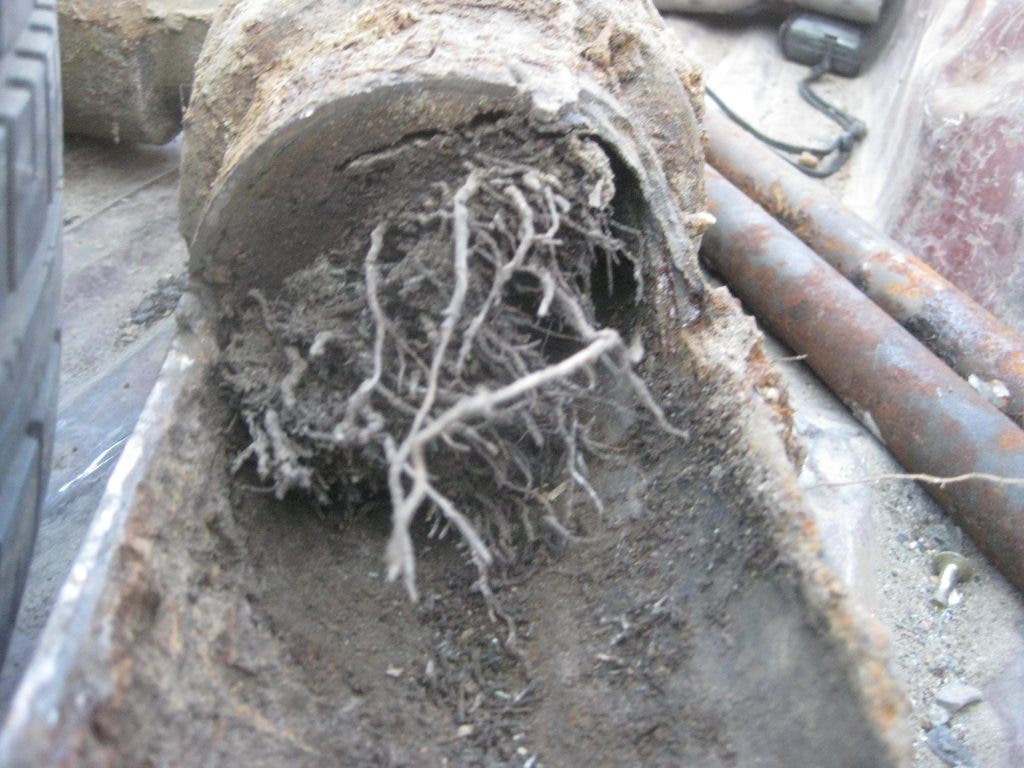
A: Forty percent of the homes I deal with, those 20 years old and older, have a problem with tree roots. They enter the sewers and supply pipes through cracks in the cement or the material itself. Eventually roots can take over the whole line.
And there are problems with the old materials -- galvanized steel, clay-- and the tar or cement used to join the pipes.
Q: Given roots are such an issue, do you suggest regular, maybe annual snaking of residential sewer pipes?
A: Yes and no, and certainly not for newer houses. When you snake the lines you run the risk of loosening the tar or concrete holding the pipes together. Then the roots have a whole new way to get inside. If it's not broke don't fix it -- get the lines snaked when the drains start running slow.
I do recommend using an herbicide that kills the roots when they enter the pipes.
Q: Is there some regular maintenance the homeowner can do?
A: Every once in a while, check all your exposed pipes – such as those in the basement and under sinks. Look for leaks or anything out of the ordinary.
Also, drains, particularly in the kitchen, have lots of bacteria. Pouring some bleach or vinegar down the drains, including the bathtub and shower, every three or four months is a good idea.
Q: And when there’s a clog? Do recommend any of the caustic drain cleaners?
No, these can hurt the pipes causing more problems in the long run. But a certain amount of work I do, owners could do themselves with a good plunger from a plumbing supply store. For those who want to make some further repairs themselves, there’s lots of good information on the internet, including videos. But if the job calls for renting specialized equipment, you might want to call a plumber first and get an estimate. It may cost about the same.
Q: Speaking of calling the plumber, what are some early indications that that would be a good idea, especially for those who aren't interested in a DIY project?
A: If the water seems a little off-color or tastes funny. Bathtubs, sinks that are slow to drain. Loss of water pressure. In the case of the last, make sure the loss of pressure isn't because the county or the utilities have been doing some work on your street.
Q: Obviously we're all interested in saving what water we can around here. How complex would it be to create some sort of graywater system in an individual house?
A: Channeling graywater from the washer to the yard is no big deal. Graywater from the bathtub might also be relatively easy, but that depends on proximity to the outside. In many cases it’s just a matter of stringing a new line.