Health & Fitness
Not Necessarily A Silent Killer
Ask your physician and dentist about Obstructive Sleep Apnea; they just might make a dynamic life-saving team.

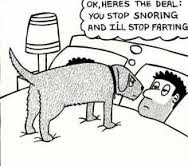
Don’t know about you guys, but for me, there’s nothing more fulfilling than serving friends and family.
Couple of weekends ago, Dental Assistant Extraordinaire Kolleen and I took a continuing education trip south on the 110 to downtown LA.
And we already knew around 40,000,000 Americans suffer from Obstructive Sleep Apnea (OSA) and we knew we could help them; we’ve just never really known how to make the connection.
Find out what's happening in Arcadiafor free with the latest updates from Patch.
OSA is a condition where the airway is restricted; a blockage behind the tongue and soft palate effectively stops breathing during sleep.
Unmanaged OSA is linked to heart disease, type II diabetes, hypertension, impotence, depression, weight gain, and acid reflux. 75% of stroke victims also have OSA. Drivers suffering from OSA are seven times more likely to have automobile accidents. Untreated OSA can reduce life expectancy by some eight years.
Find out what's happening in Arcadiafor free with the latest updates from Patch.
Signs and symptoms include snoring, daytime drowsiness, morning headaches, morning dry mouth, jaw and facial pain, teeth clenching and grinding. And yes, a history and an exam and some questions and some listening can go a long way toward making a diagnostic difference.
Treatment for OSA follows a sleep study; a diagnosis is made by a sleep physician. A CPAP apparatus is the standard of care for patients with severe OSA; dentists can provide oral appliance care for mild and moderate OSA patients, as well as those intolerant of CPAP care.
The challenge with OSA is the critical lack of screening. Only 5% of physicians screen for OSA, mostly because primary care visits average less than 10-minutes.
Kolleen and I learned there might be a better, transformative way to deal with a major cause of death, disability, and the loss general loss of quality of life that more than likely precedes heart disease, stroke and diabetes.
The answer might be dentists seizing the initiative and actively establishing relationships with secondary care physicians like cardiologists and other pain management, rheumatology, and internal medicine specialists; mostly because a very high percentage of secondary care patients suffer from OSA…and they are not screened. The dentist would actually hire a coordinator to work in the secondary care physician’s office, following up on the written screenings, directing diagnosed patients for sleep tests and a diagnosis. The dentist would deliver oral sleep appliances when indicated (even for Medicare patients.)
I don’t know exactly what I was expecting Friday morning with Dr. Avi Weisfogel and Dental Sleep Masters but I haven’t stopped thinking about the two and a half days that followed ever since.
And all weekend, I couldn’t stop thinking about someone I’ve really missed.
Almost 40-years ago, I saw my Dad die of a heart attack in our living room on a Saturday night I’ll never forget.
Dad was diabetic, had an 18” neck (men are at risk at 17” and greater), often fell asleep in front of the TV, and snored like nobody’s business. After his diabetes diagnosis at age 50, Dad ate right, quit drinking, and dropped about 40lbs; he was only 66 years old. And now I’m convinced unmanaged obstructive sleep apnea got away with murder.
Snoring can often be the sound of someone desperately trying to breathe. These days, for me, the distinctive sound is a patient, a team member, or my Dad dialing 9-1-1 in their sleep. Hopefully, we’re getting closer to doing a better job answering the call.
Ask your physician and dentist about Obstructive Sleep Apnea; they just might make a dynamic life-saving team.


