Neighbor News
Looking for debt-free college? Don't wait for a national election
Combat the high cost of higher education, avoid crushing student debt
Millennials in our nation hold more than $1.5 trillion dollars in student debt. It’s hardly surprising that “tuition-free,” “debt-free” and “free college for all” are just a few of the college affordability plans being touted by presidential hopefuls in the 2020 election.
Given the current students debt crisis, students and their families are desperate for college funding solutions that will help them avoid borrowing tens of thousands of dollars, risking loan default and potentially limiting their ability to purchase a home or qualify for certain jobs in the future.
Student loans are one of the only debts that cannot be discharged in bankruptcy.
Find out what's happening in Baldwin Parkfor free with the latest updates from Patch.
California’s community colleges offer students an excellent alternative to borrowing to pay for their college education. California residents attending a community college currently pay about $1,300 in fees annually—a fraction of the cost of UC and CSU. Financial aid can cut costs even further, and students can also save by living at home and accessing public transportation.
After successfully completing the first two years of a community college, students can apply to transfer to a four-year college or university to complete a baccalaureate degree. Studies have shown that transfer students obtain GPAs equal to or better than students entering state universities as freshmen.
Find out what's happening in Baldwin Parkfor free with the latest updates from Patch.
In addition to offering high quality education, California community colleges educate 80 percent of the state’s law enforcement, professionals, firefighters and EMTs and 70 percent of its nurses. In addition, students who earn a degree or certificate from a California community college nearly double their earnings within three years.
According to Natalia Abrams, executive director of Student Debt Crisis, an advocacy organization, “free college” will help curb future college costs and future student debt, but it will do nothing to help the 45 million people who are dealing with debt now.
But why head down the precarious path of student loans if it isn’t absolutely necessary? Cost reduction strategies and financial aid are offered at local community colleges as part their Student Services programs. Dual Enrollment and College Promise Programs can also save students and taxpayers thousands of dollars while reducing the need for loans that often take decades to repay.
About the Author:
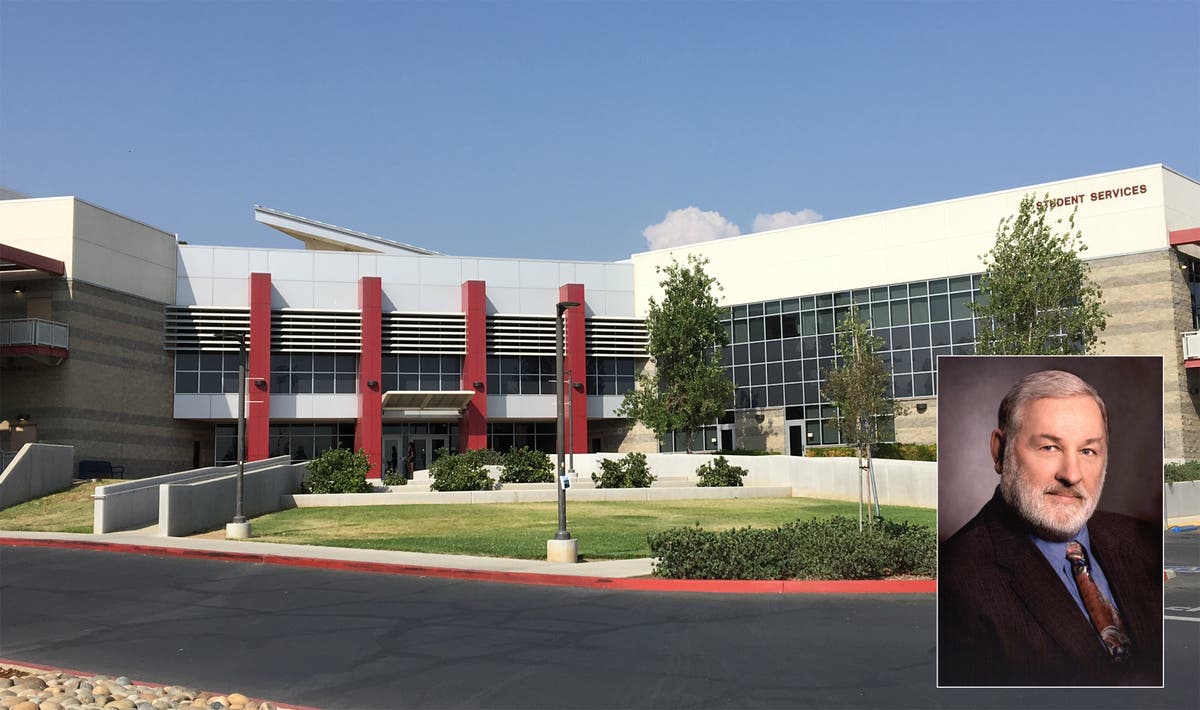
Dr. Edward C. Ortell is the senior governing board member at Citrus College and a Professor Emeritus at Pasadena City College. He has served on the California Community College Trustees (CCCT) state board of directors and eight terms as president of the Citrus College Board of Trustees.